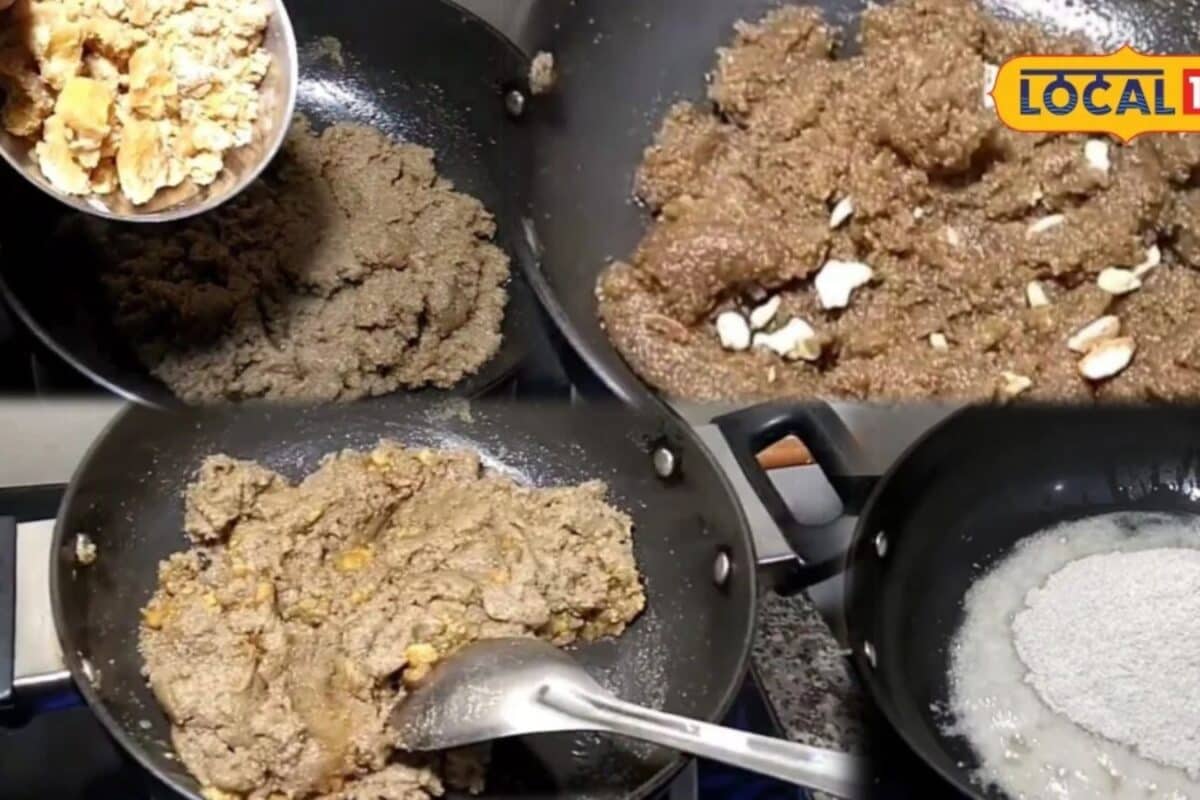
In the vibrant culinary landscape of Rajasthan, traditional recipes have always served as a harmonious blend of exceptional taste and profound nutritional value. Among the myriad seasonal delicacies cherished across households, the preparation of Bajra Halwa holds a prominent place, especially during the biting cold of the winter season. This wholesome dessert transforms humble ingredients into a rich, aromatic delicacy that has been passed down through generations of culinary heritage.
Originating from the rural heartlands of the state, particularly championed by culinary practitioners such as Kajal Kumari from Bhilwara, this dish utilizes pearl millet as its primary ingredient. Historically, millet has been a staple crop in arid regions, celebrated for its resilience and ability to sustain local populations through harsh climatic conditions. Over time, indigenous communities perfected the art of converting this coarse grain into comforting winter sweets by incorporating generous amounts of indigenous dairy and natural sweeteners.
When examining the logistics and preparation of this traditional sweet, culinary experts note that the entire process is remarkably efficient without compromising on quality. According to documented preparation timelines, the dish takes precisely 20 to 30 minutes to cook from start to finish. The precise roasting of the bajra flour in pure desi ghee requires careful attention to achieve a nutty aroma and smooth texture, before jaggery syrup and nutrient-dense dry fruits are thoroughly folded into the mixture.
Local homemakers and regional food enthusiasts emphasize the immense cultural and familial value attached to preparing such traditional foods during winter. Practitioners like Kajal Kumari point out that beyond the sensory satisfaction it offers, the dish acts as a natural powerhouse of nutrition. Family elders frequently recommend the consumption of freshly prepared millet halwa to combat seasonal fatigue and to maintain internal body warmth during chilly mornings and evenings.
The broader regional impact of promoting such traditional Rajasthani recipes extends far beyond individual kitchens, influencing local economies in districts such as Kotputli-Behror and neighboring regions. Increased appreciation for millet-based dishes directly supports indigenous farmers who cultivate drought-resistant crops, while also boosting local trade for indigenous dairy producers and jaggery artisans who supply the essential ingredients required for authentic preparation.
From an administrative and public health perspective, nutritional experts and local community organizations increasingly endorse the revival of traditional millet consumption. As modern dietary habits occasionally lean toward processed foods, public health initiatives often highlight the nutritional supremacy of grains like bajra. Encouraging households to adopt time-tested recipes aligns with broader governmental campaigns promoting ancient grains for better public health and sustainable agricultural practices.
Looking forward, culinary traditionalists and local cultural bureaus anticipate a steady revival of interest in heritage recipes like Bajra Halwa among younger generations. Workshops, regional food festivals, and domestic cooking demonstrations continue to document and preserve these invaluable culinary secrets. As public awareness regarding holistic wellness grows, the timeless tradition of preparing wholesome winter sweets in households across Rajasthan remains vibrant and secure for the future.