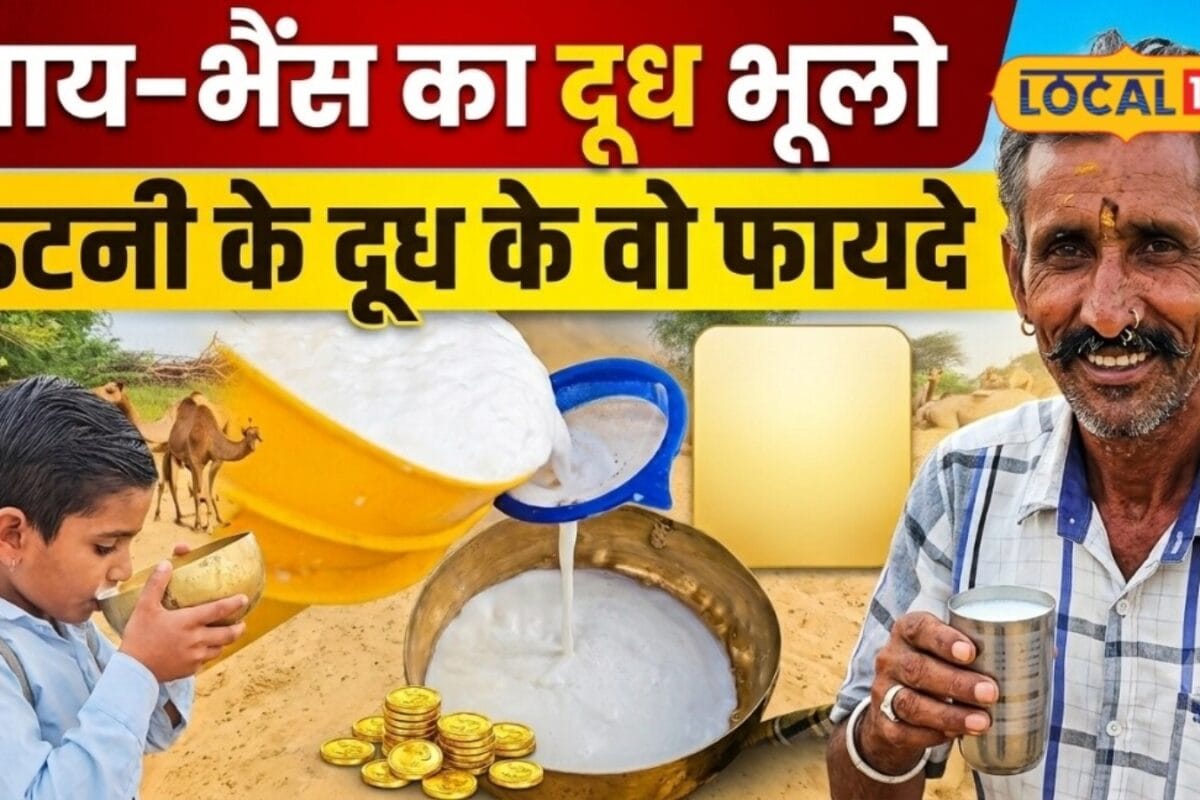
Camel milk has firmly established a distinct and celebrated identity across the sprawling desert landscape extending from Barmer to Jaisalmer, drawing considerable attention for its exceptional properties. Long regarded by desert communities as a vital dietary element, this specialized dairy product is increasingly recognized for its therapeutic and nutritional value. The expansive arid regions of western territories have historically sustained pastoral traditions centered around camel rearing, forming an integral part of the local heritage and economy.
Historically, desert populations have relied heavily on pastoralism to navigate the harsh climatic conditions of the region. Camels have served as the ultimate lifeline for these communities, providing transport, sustenance, and economic resilience through challenging droughts and arid summers. Over generations, the traditional dietary habits of these desert inhabitants naturally incorporated camel milk, recognizing its unique sustaining properties long before modern nutritional science began validating its widespread health benefits.
Examining the contemporary ground reality, camels remain abundant across several key desert districts including Barmer, Jaisalmer, Balotra, Bikaner, and Jalore. Local livestock keepers and traditional herders maintain extensive herds that graze on native desert flora, which naturally infuses the milk with distinctive medicinal and therapeutic compounds. While commercial dairy infrastructure in these remote areas faces logistical challenges, the traditional distribution networks continue to supply fresh camel milk to households seeking natural alternatives for wellness and daily nutrition.
Nutritional experts and traditional practitioners consistently emphasize the multifaceted health benefits offered by camel milk. Beyond its general reputation as a comprehensive natural health tonic suitable for individuals ranging from growing children to senior citizens, it is widely noted for its efficacy in assisting with the management and control of diabetes. The unique biochemical composition of the milk, featuring high concentrations of insulin-like proteins and protective immune factors, sets it apart from conventional bovine dairy products.
The broader regional implications of this growing demand extend well beyond immediate pastoral households, influencing regional markets and encouraging renewed interest in indigenous livestock conservation. Communities across the designated desert districts are witnessing a gradual economic revitalization as consumer awareness regarding organic and functional foods increases nationwide. This rising preference for traditional desert commodities provides much-needed financial support to marginal herders who preserve these indigenous animal breeds.
Administrative bodies, agricultural universities, and animal husbandry departments have progressively increased their oversight and support for camel pastoralism in the region. Recognizing the ecological and economic significance of these hardy animals, local administrative frameworks have initiated programs aimed at improving veterinary healthcare, facilitating organized collection centers, and promoting sustainable dairy processing methods to ensure hygiene and quality standards.
Looking forward, the outlook for the camel milk sector appears promising as public interest in alternative health solutions continues to rise steadily. Stakeholders across the supply chain anticipate enhanced logistical support and expanded market access, allowing this traditional desert nourishment to reach broader consumer segments. Continued research and structured governmental backing will likely solidify camel milk's position as a premier natural health tonic in contemporary wellness markets.