
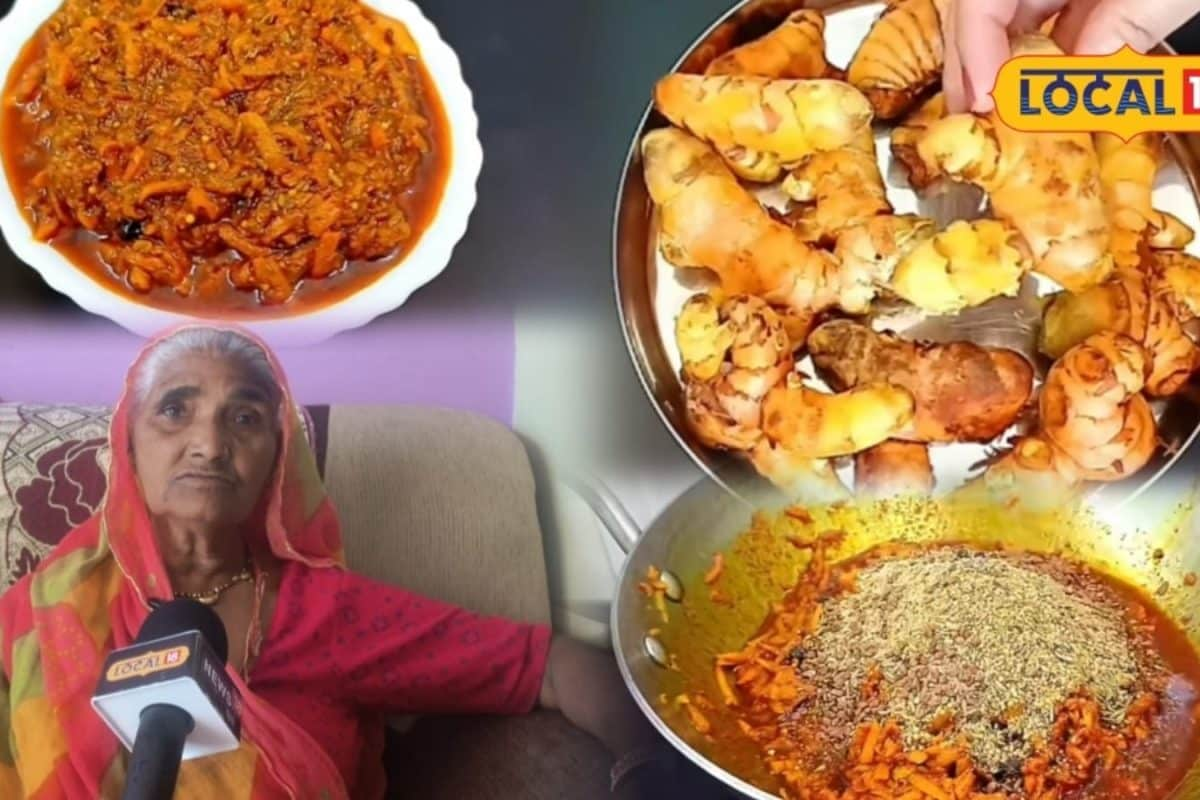
Winter culinary traditions in Bhilwara have received a traditional boost with local culinary expert Devoly Bai revealing an authentic household recipe for fresh turmeric pickle. As seasonal changes prompt households to seek warming and nutritious ingredients, this traditional pickle has emerged as a favored addition to dining tables across the region, blending rich heritage with robust flavors.
The culinary art of preserving fresh turmeric dates back generations, rooted deeply in indigenous nutritional practices passed down through grandmothers and mothers. Historically valued for its medicinal properties and warming qualities during cold weather, raw turmeric has always occupied a special place in domestic pantries, evolving from simple curries to preserved delicacies that last through the winter months.
Preparing this authentic pickle involves meticulous attention to ingredient quality and proportions, requiring fresh raw turmeric, pure mustard oil, salt, red chili powder, mustard seeds, fenugreek seeds, fennel seeds, and asafoetida. According to traditional guidelines, the fresh turmeric must be thoroughly washed, sun-dried, peeled, and sliced into uniform pieces before being infused with the carefully measured spice blend.
Local homemakers and culinary enthusiasts emphasize that the secret to a long-lasting and flavorful pickle lies in the precise heating and cooling of the mustard oil before it is poured over the spiced turmeric mixture. Practitioners of this traditional craft stress that maintaining absolute dryness and avoiding moisture contamination are crucial steps to ensure the pickle retains its quality for months.
The broader cultural impact of reviving such traditional recipes extends directly into regional households, influencing daily dietary habits in Kotputli-Behror and neighboring districts. Families increasingly appreciate the return to wholesome, preservative-free home cooking, recognizing that traditional accompaniments like turmeric pickle elevate simple staples such as lentils, flatbreads, and stuffed parathas.
Although this traditional preparation method remains largely a domestic culinary practice rather than a heavily regulated commercial industry, community elders and local food preservation advocates actively promote these skills. Sharing such indigenous recipes ensures that valuable culinary knowledge is successfully transmitted to younger generations without relying on modern industrial preservatives.
Looking ahead, culinary workshops and community networks plan to document and encourage the preparation of seasonal traditional foods to preserve local heritage. As public interest in healthy, traditional lifestyles continues to grow, recipes from family archives are expected to remain a cherished staple of winter dining tables across the region.
