
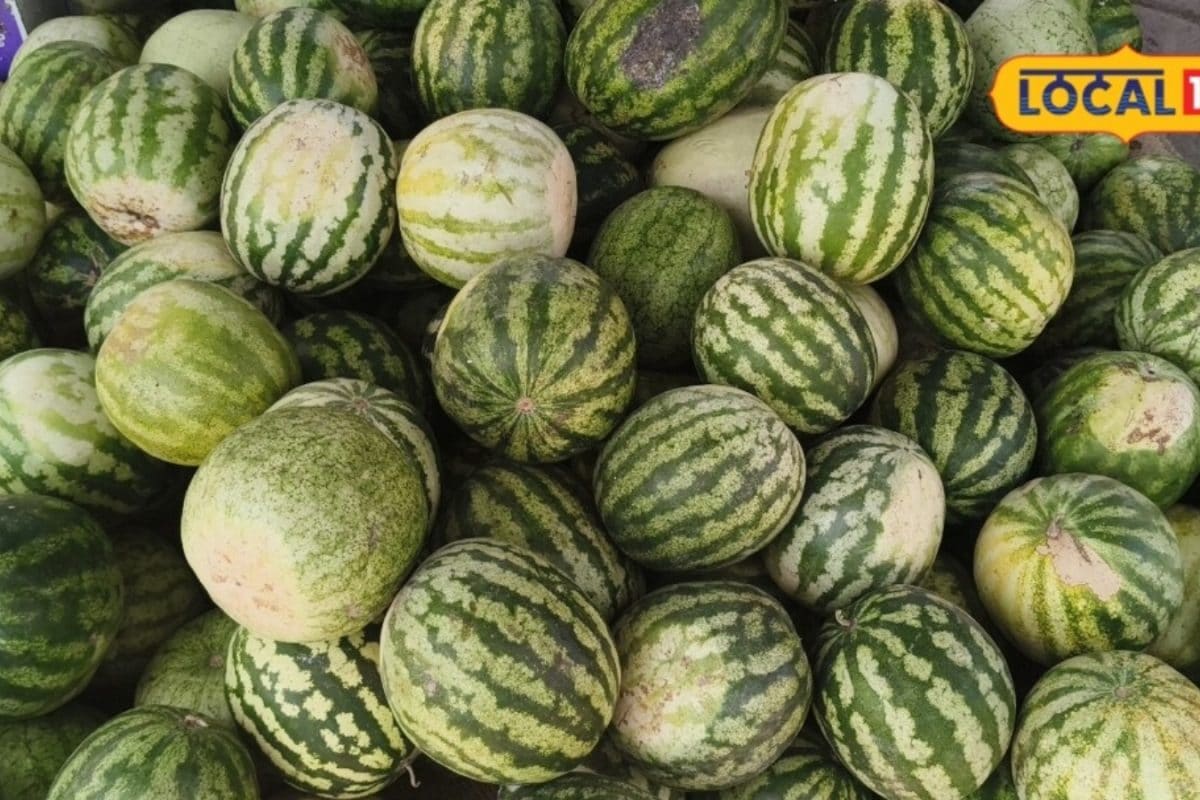
Kotputli News Bureau Chief Report: As the festive season of Diwali illuminates households across the region, numerous traditional customs take center stage, many of which carry profound historical and astronomical significance. Among these unique local observances, the practice of purchasing and worshipping the matira fruit holds a distinct place in cultural heritage. While modern celebrations often introduce diverse elements, deep-rooted traditions continue to define the essence of regional festivities, connecting contemporary households to their ancestral heritage.
Delving into the origins and historical context of this distinct practice, local expert Kishan Nath provides invaluable insights into why the matira holds such a revered position during Diwali. According to historical perspectives shared by Kishan Nath, this tradition is not merely a modern commercial activity but is anchored in old, established beliefs that have been passed down through generations. Understanding these customs requires a look back at the ecological and agricultural realities of earlier times within the region.
Examining the ground reality of seasonal produce, Kishan Nath explains that during this specific period of the year, the matira used to be the primary and most prominent local fruit available to the community. In eras preceding modern supply chains and inter-state agricultural trade, local farmers harvested seasonal crops that naturally aligned with festive timelines. Consequently, the matira became naturally integrated into seasonal rituals, serving as a tangible offering of gratitude for the autumn harvest.
Beyond its seasonal availability, the matira carries a powerful symbolic association that elevates its status from a mere dietary item to a sacred ritual element. According to the traditional beliefs articulated by Kishan Nath, the matira is regarded as a direct symbol of the moon. In astrological and cultural symbolism, the moon represents peace, coolness, prosperity, and emotional well-being, making the matira an auspicious representation during the festival of lights.
The cultural resonance of this tradition extends deeply into the social fabric of the Kotputli-Behror district, influencing how families collectively observe Diwali. Local community members often seek out traditional fruits that align with ancestral practices, thereby preserving a tangible link to the past. This shared cultural participation reinforces community bonds, as families engage in rituals that honor both agricultural abundance and celestial bodies.
While modern markets have evolved significantly, the observance of traditional customs such as the matira purchase demonstrates the resilience of regional heritage against rapid modernization. Local elders and cultural custodians like Kishan Nath play a crucial role in documenting and transmitting these narratives to younger generations, ensuring that the historical rationale behind such practices is neither forgotten nor distorted.
Looking toward the future, the preservation of these ecological and cultural traditions remains vital for maintaining regional identity amidst changing times. As community members continue to embrace the symbolic worship of the matira during Diwali, the practice stands as a testament to the harmonious relationship between seasonal agriculture, ancient symbolism, and enduring cultural faith within the Kotputli region.
