
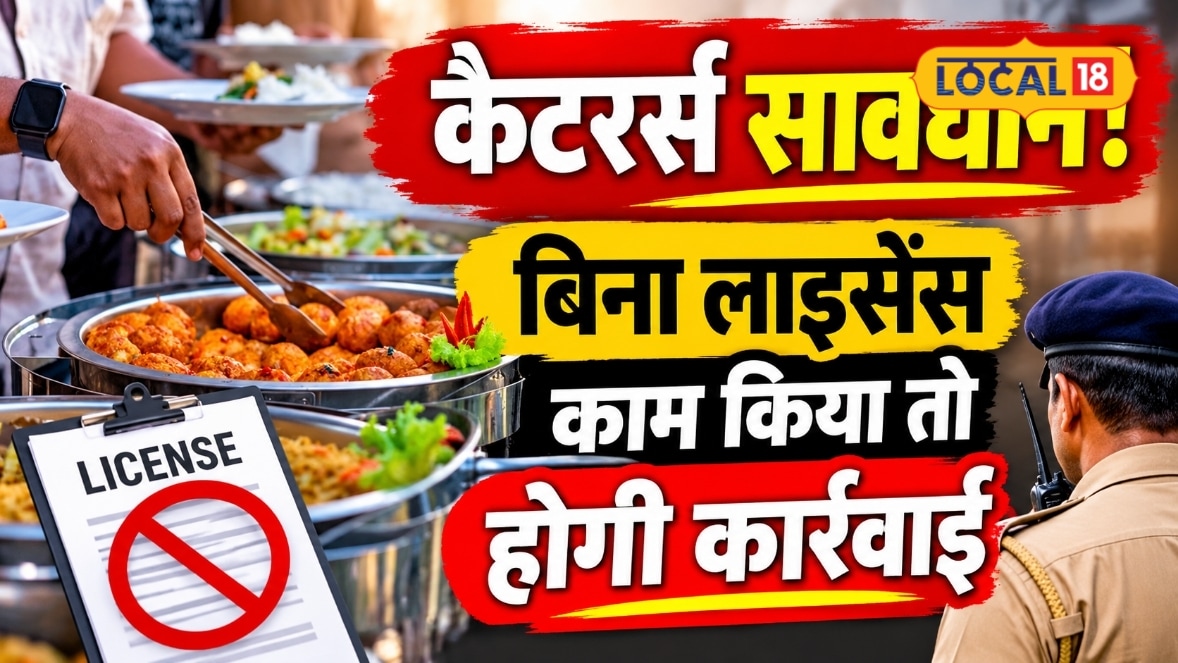
In a decisive administrative move aimed at safeguarding public health, the Rajasthan government has officially instituted mandatory food safety licensing requirements for all catering service providers operating within the state. This comprehensive regulatory enforcement is designed to eliminate substandard practices and ensure absolute hygiene during weddings, community gatherings, and large-scale public banquets throughout the region.
Historically, large-scale catering operations in Rajasthan have functioned with minimal regulatory oversight, leaving consumers vulnerable to compromised hygiene standards and substandard food quality during peak wedding seasons. The absence of rigorous enforcement previously allowed unlicensed operators to manage massive banquets without adhering to fundamental health protocols, thereby creating persistent risks of food-borne illnesses during major celebrations.
Under the newly established protocols, enforcement teams have been granted absolute authority to initiate strict legal action against any catering operator found functioning without a verified license, which includes the registration of formal criminal cases and substantial financial penalties. The policy establishes a specific operational threshold, mandating that any social gathering or feast hosting more than 500 guests must be formally reported to the local administrative authorities in advance.
Public health officials, food safety inspectors, and consumer advocacy groups have expressed strong support for the initiative, noting that large gatherings have frequently been marred by preventable sanitation failures. While established commercial caterers are currently updating their documentation to comply with the statutory mandates, small-scale local vendors are undergoing urgent administrative reviews to align with the newly enforced licensing procedures.
Across regional administrative divisions like Kotputli-Behror, local district administrations are mobilizing specialized inspection squads to monitor compliance closely during ongoing and upcoming celebratory seasons. The local economic landscape, which heavily relies on traditional catering networks for seasonal festivities, is adapting swiftly to the heightened regulatory environment to maintain consumer trust and operational legitimacy.
Administrative oversight has been intensified through the deployment of mobile food testing laboratories and designated inspection teams tasked with visiting celebration venues unannounced. Whenever inspectors discover adulterated, expired, or decomposing food items during these on-site evaluations, the compromised ingredients are ordered to be immediately destroyed on the spot to prevent any consumption.
Looking forward, state authorities intend to sustain these rigorous enforcement mechanisms indefinitely to systematically eradicate food poisoning incidents from all major social functions across Rajasthan. Public expectations remain high as citizens anticipate a significant elevation in catering hygiene standards, ensuring that large community feasts remain safe, wholesome, and fully compliant with statutory food safety laws.
