
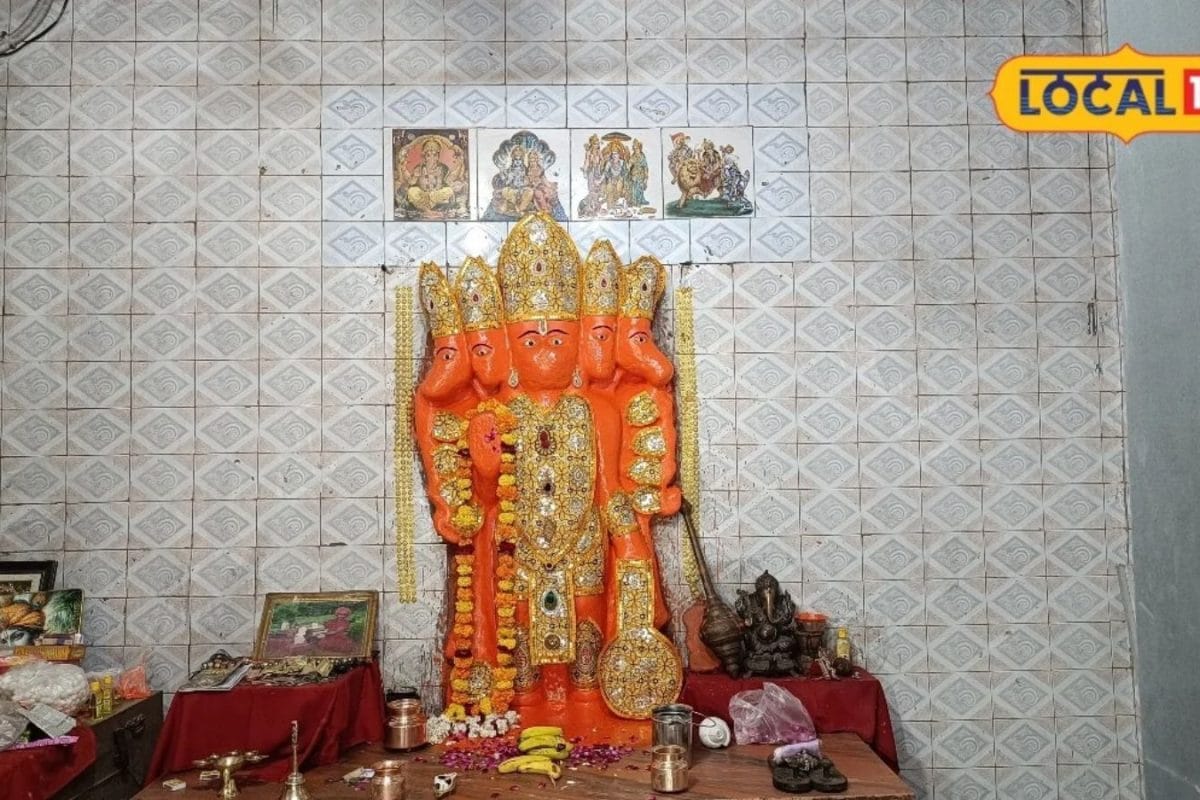
Deep within the treacherous and once dreaded ravines of Chambal, inside the historic confines of Shergarh Fort in Dholpur, stands a remarkable testament to faith and resilience: the 220-year-old Panchmukhi Hanuman Temple. This ancient sanctuary represents far more than a mere place of worship; it embodies the indomitable spirit of historical heritage and spiritual continuity in a region otherwise shadowed by tales of lawlessness. The temple is situated in an area historically recognized for its rugged terrain and geographic isolation, making its survival and continuous veneration all the more extraordinary.
The foundational roots of this sacred site trace back to the year 1805, an era marked by shifting political landscapes and the consolidation of princely states in Rajasthan. The temple was meticulously constructed under the patronage of Maharaj Rana Kirat Singh, the visionary founder of the Dholpur Jat princely state. Recognizing the spiritual needs of the populace and the strategic importance of Shergarh Fort, the ruler commissioned the shrine to house a unique five-faced deity, establishing a landmark that would endure centuries of political and social transformation.
Examining the ground reality and architectural specifics reveals the profound engineering and cultural foresight of the period. The central deity features five distinct divine aspects, a rare iconographic representation that distinguishes this shrine from standard Hanuman temples across the country. Spanning over two centuries of continuous existence, the temple structure has witnessed the ebb and flow of regional history, weathering natural elements and the profound sociopolitical upheavals that characterized the nineteenth and twentieth centuries in central India.
Throughout the tumultuous decades when the Chambal ravines became synonymous with the terror of armed outlaws and dacoits, local residents and temple priests maintained an unwavering dedication to the sacred space. Elders and regional chroniclers recount that even at the height of the dacoit era, when outsiders rarely dared to venture near the ravines, the resonant chanting of Ram Naam and Hanuman Chalisa never ceased within these temple walls. This unbroken chain of devotion provided immense psychological and spiritual solace to a population constantly living under the shadow of fear.
While the immediate geographical focus remains Dholpur, the cultural and historical resonance of the Shergarh Fort temple extends significantly across the broader administrative and cultural landscape of Rajasthan, echoing deeply with communities in districts such as Kotputli-Behror. Heritage enthusiasts, regional historians, and cultural tourists view the site as a crucial anchor for rural tourism and historical education, drawing researchers who seek to understand the intricate nexus between princely architecture and regional devotion in the Chambal basin.
In response to the growing historical and religious significance of the site, regional administrative bodies and cultural preservation committees have increasingly recognized the necessity of safeguarding this architectural gem. Efforts are continually evaluated to improve infrastructure leading up to Shergarh Fort, ensuring that pilgrims and heritage tourists can access the 220-year-old monument safely. Authorities emphasize the importance of balancing modernization with the strict preservation of the temple's original 1805 structural integrity.
Looking toward the future, public expectations remain high regarding the official promotion of the Panchmukhi Hanuman Temple as a premier heritage tourism destination. Stakeholders and local community leaders anticipate comprehensive developmental blueprints that will highlight the legacy of Maharaj Rana Kirat Singh while protecting the natural sanctity of the Chambal ravines. As generations pass, the shrine continues to bridge the gap between Dholpur's turbulent past and a peaceful, faith-driven future.
