
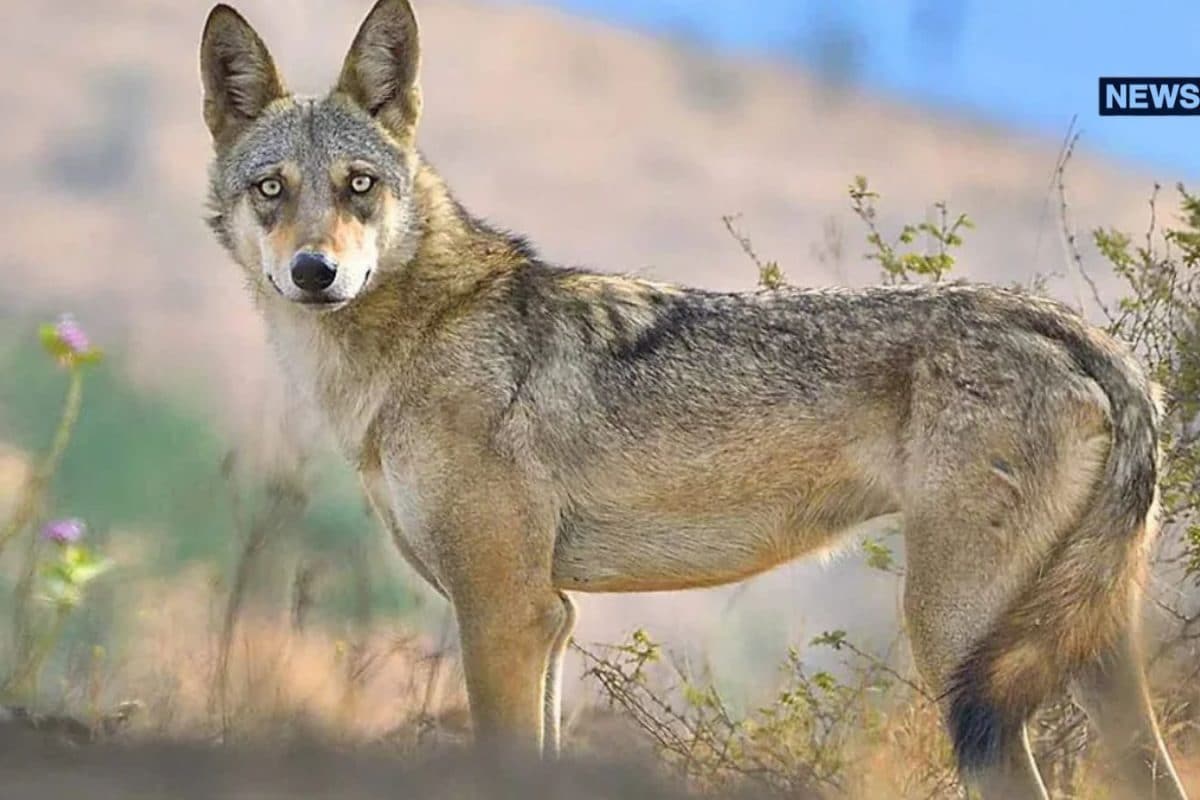
In a significant developmental stride for regional wildlife preservation, the Rajasthan Forest Department has officially rolled out an extensive wolf conservation project spanning the Hadoti and Ramgarh Vishdhari regions. This strategic initiative comes in direct response to the alarming decline in the population of Indian wolves, which have faced severe habitat fragmentation and ecological pressures over the preceding years. By establishing dedicated protected zones, the state environmental administration intends to create an environment where these carnivores can thrive safely, multiply, and re-establish their natural predatory roles within the local ecosystem.
The historical backdrop of this conservation drive highlights growing concerns among wildlife biologists and environmental authorities regarding the survival of canine predators in human-dominated landscapes. Over recent decades, rapid agricultural expansion, infrastructure development, and industrial encroachment have severely degraded native scrublands and grasslands, which serve as the primary hunting and breeding grounds for these animals. Recognizing the imminent threat of local extinction, the forest authorities resolved to implement a targeted framework aimed at habitat restoration and population monitoring across vulnerable districts of Rajasthan.
At the core of this operational framework is the physical transformation of a massive land parcel, specifically 800 hectares of dense forest terrain, which is currently being re-engineered into a secure and undisturbed habitat for the wolves. This designated area will undergo strict ecological management, minimizing human interference while maximizing prey availability to support sustainable population growth. Additionally, forest officials have deployed systematic survey mechanisms to document accurate population distributions, moving beyond generalized assumptions to gather empirical data concerning specific dens, pack sizes, and migratory routes utilized by the wolves.
To bolster scientific data collection, the forest administration has adopted a collaborative public-engagement strategy, inviting citizens, pastoralists, and nature enthusiasts to contribute firsthand observations regarding wolf sightings. A specialized Google Form has been circulated widely, enabling local residents and rural communities to report crucial intelligence on wolf locations and movement patterns directly to the wildlife authorities. This participatory approach not only bridges the gap between rural communities and forest officials but also fosters a shared sense of environmental stewardship essential for long-term wildlife coexistence.
The wider regional impact of this conservation initiative extends deeply into the socio-ecological fabric of Rajasthan, touching upon rural livelihoods, livestock management, and eco-tourism potential. As the state administration works to secure 800 hectares of forest land, local agricultural and pastoral communities are being engaged through awareness programs to mitigate human-wildlife conflict. Ensuring the safety of both local livestock and the protected wolf packs requires a delicate balance of habitat zoning and timely administrative intervention, preventing retaliatory killings while promoting regional biodiversity.
Administrative oversight and statutory monitoring remain central to the execution of this project, with senior forest officials closely supervising the rollout of survey operations and habitat enclosure developments. The official baseline for this project is anchored firmly in the rigorous wildlife census conducted across Rajasthan, which recorded a total of 771 wolves. This baseline figure serves as the critical benchmark against which the success of the 800-hectare habitat development and subsequent conservation measures will be measured by the state forest department.
Looking toward the forward outlook, the wildlife administration anticipates that the combination of public surveys, Google Form data aggregation, and protected habitat zones will yield measurable improvements in wolf demographics over the coming years. By addressing the fundamental causes of population decline through structured territorial protection and community involvement, the Rajasthan Forest Department aims to secure a viable future for this vulnerable species. Continuous monitoring and community-backed reporting channels will remain operational to guide future phases of wildlife management across Hadoti, Ramgarh Vishdhari, and beyond.
