
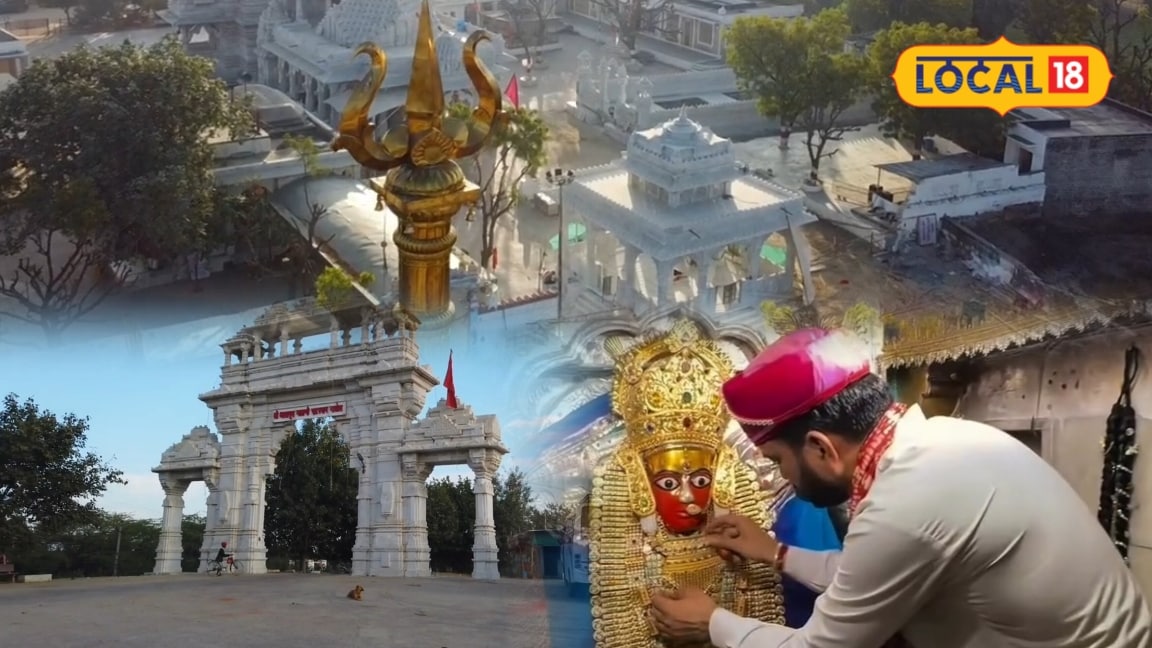
In the heart of Pali district, the ancient and revered Nadol Ashapura Mata Temple stands as a magnificent testament to the spiritual and architectural heritage of the region. Recognized universally as the principal Shaktipeeth and ancestral deity of the illustrious Chauhan dynasty, this sacred shrine draws thousands of faithful devotees annually. The temple represents a deep-rooted connection to the glorious history of Rajasthan, symbolizing centuries of unwavering faith and cultural continuity.
Tracing its origins back to the 10th century, the history of the temple is inextricably linked with Rao Lakhman Chauhan, the visionary founder of Nadol. According to historical traditions and enduring lore, Rao Lakhman Chauhan performed intense spiritual penance in the region, seeking divine blessings. Deeply pleased by his profound devotion and austerity, Maa Shakambhari appeared before him and granted the sacred boon of establishing a sovereign kingdom, laying the foundational stone for the Chauhan legacy in the area.
The nomenclature of the deity holds a deeply moving significance, as the goddess became known as 'Ashapura' because she fulfills all the sincere hopes, aspirations, and wishes of her devotees. Standing resiliently through the corridors of time, this millennium-old architectural marvel continues to maintain its spiritual sanctity, highlighted by the eternal flame of the 'Akhand Jyoti' that burns continuously inside the sanctum sanctorum as a symbol of divine presence.
Throughout the generations, the temple has served as a unifying cultural anchor for communities across the region and beyond. Pilgrims and descendants of the Chauhan lineage travel vast distances to pay their respects, seeking the divine grace of the goddess for prosperity, peace, and family well-being. The enduring traditions maintained at the temple keep the rich historical narrative of the 10th-century Chauhan dynasty vibrant and alive for contemporary generations.
The cultural and economic ripple effects of the temple extend far beyond Pali district, drawing significant visitor traffic that invigorates local trade, traditional artisans, and regional hospitality networks. Devotees from distant parts of the country and international locations routinely visit the sacred site, fostering a dynamic exchange of cultural heritage and reinforcing communal harmony through shared spiritual devotion.
Administrative oversight and local community committees work in tandem to manage the massive influx of pilgrims, particularly during peak religious seasons. Measures are continuously evaluated to preserve the structural integrity of the 1,000-year-old monument while ensuring seamless logistical arrangements, crowd control, and basic amenities for the thousands who gather to participate in holy rituals.
Looking forward, the temple management and community leaders remain committed to safeguarding the historical legacy of the Nadol Ashapura Mata Temple for posterity. As upcoming festivals and traditional ceremonies approach, preparations are systematically scaled up to accommodate the growing number of visitors, ensuring that the sacred traditions, including the revered tonsure ceremonies, continue uninterrupted for future generations.
