
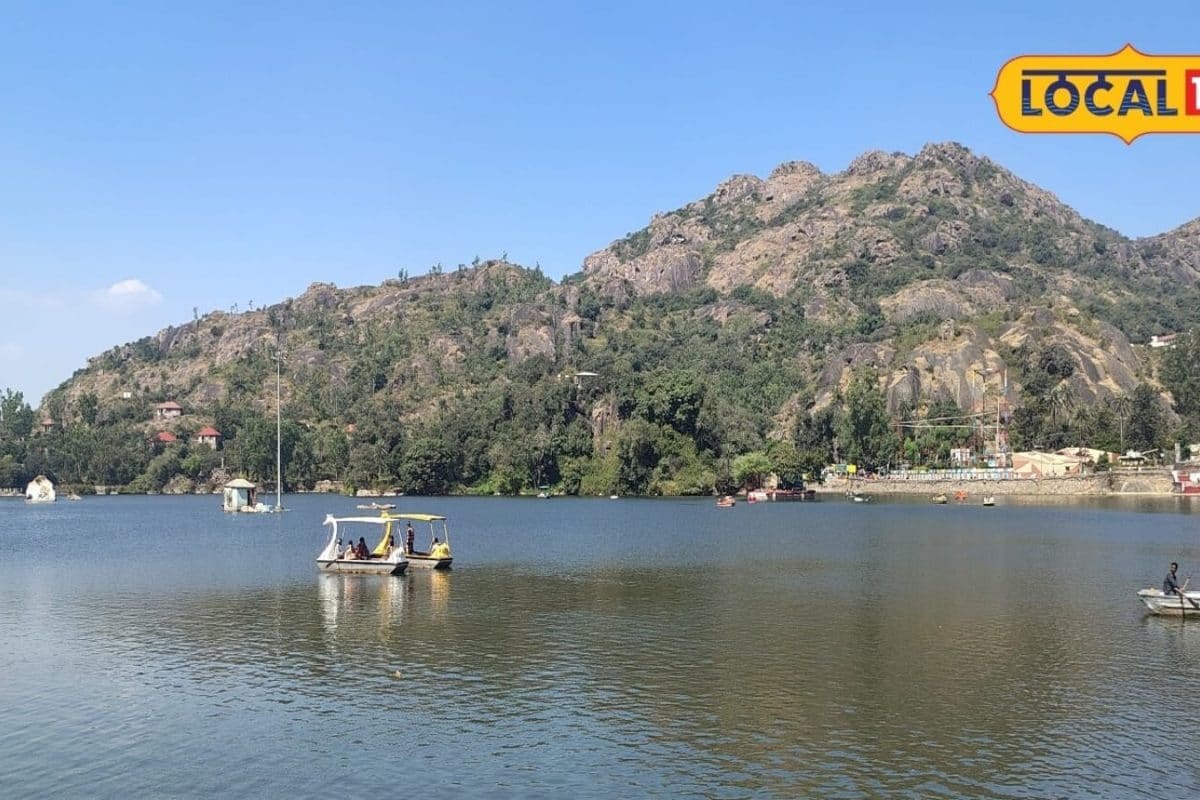
Mount Abu, situated within the desert state of Rajasthan as its exclusive hill station, remains a primary destination for travelers seeking respite in nature. At the heart of this scenic destination lies Nakki Lake, which traditionally serves as the central focal point for visitors arriving from various regions. However, beyond the immediate waters of the lake, the surrounding landscape conceals a multitude of breathtaking vantage points that offer expansive vistas of the towering mountains and lush greenery.
The geographical and topographical significance of Mount Abu has long established it as a premier destination within Rajasthan. Historical travel patterns indicate that visitors have consistently gravitated toward the high-altitude terrain to escape regional heat. The evolution of tourism infrastructure around Nakki Lake has progressively opened up previously secluded mountain trails, allowing tourists to explore the diverse ecological and natural wealth of the Aravali range.
Detailed observations on the ground reveal that several scenic viewpoints situated along the mountainous terrain are remarkably accessible. A notable feature of these tourist locations is that many can be reached entirely on foot, eliminating the necessity for complex vehicular transport. This pedestrian accessibility encourages active physical engagement with the environment, allowing travelers to experience the local topography intimately.
Local tourism stakeholders, hospitality operators, and visiting nature enthusiasts consistently emphasize the unique appeal of these natural pathways. Walking through the mountain trails provides an immersive experience of the local flora and fauna. Observers note that the integration of pedestrian paths enhances the overall tourism experience, fostering a sustainable relationship between visitors and the fragile mountain ecosystem of Rajasthan.
For residents and travelers hailing from surrounding administrative districts, including regions near Kotputli-Behror, Mount Abu serves as an accessible highland retreat. The regional economic impact of steady tourist inflow supports local commerce, hospitality services, and traditional handicrafts. Communities across Rajasthan benefit from the robust domestic tourism economy centered around iconic spots like Nakki Lake and its neighboring viewpoints.
Administrative oversight and tourism management bodies continuously monitor visitor movement to preserve the environmental integrity of Mount Abu. Authorities implement guidelines to maintain pedestrian trails and ensure visitor safety across steep mountain gradients. These administrative measures are crucial for balancing ecological preservation with the growing demands of recreational tourism.
Looking toward the upcoming seasons, local tourism boards anticipate sustained interest in walking tours, trekking routes, and specialized photography spots around Nakki Lake and the sunset point. Collaborative efforts between regional authorities and hospitality networks aim to promote responsible tourism practices, ensuring that the natural beauty and panoramic views of Mount Abu remain pristine for future generations of travelers.
