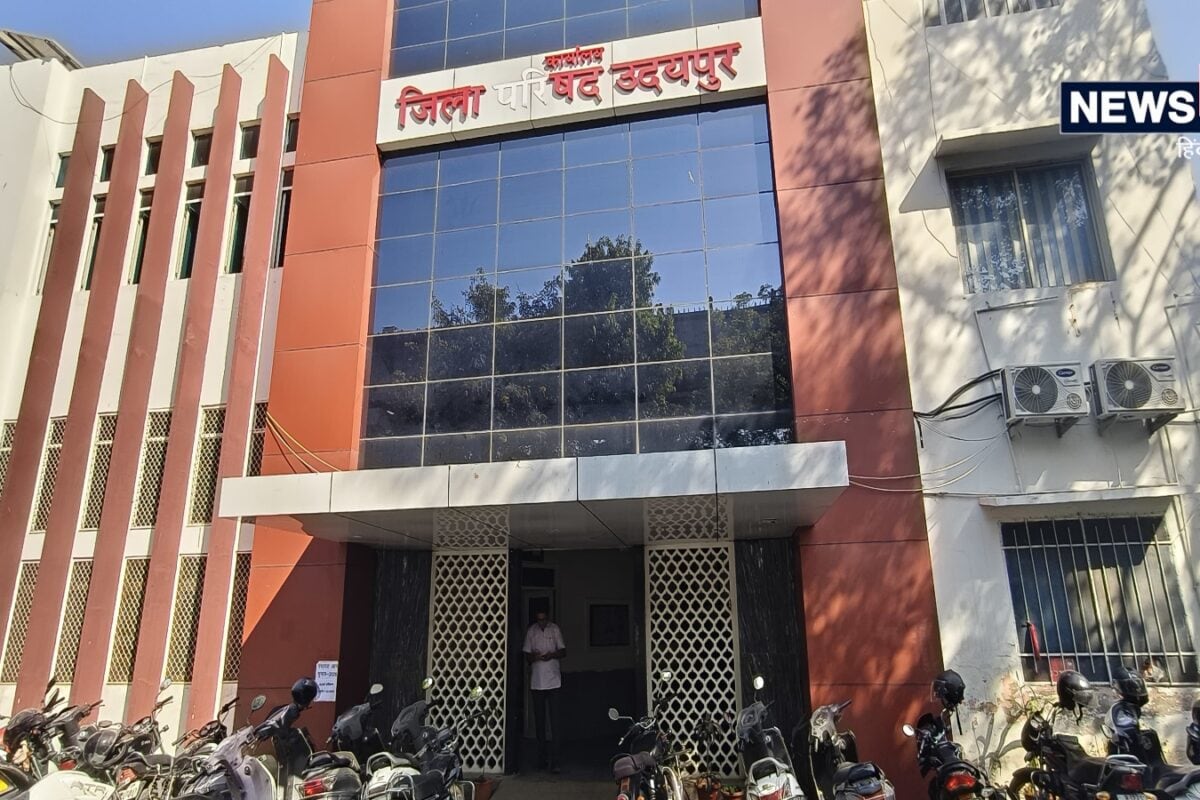
The political arena in Udaipur is witnessing intense activity as preparations and strategic alignments intensify for the upcoming Zilla Parishad elections. Regarded as a critical administrative and political battleground, the district holds a unique position in the broader political landscape of Rajasthan. Observers and political analysts note that political momentum in the region often mirrors wider state trends, making every electoral shift a matter of intense public and institutional scrutiny.
A comprehensive examination of the past 30 years reveals a remarkably balanced power struggle between the two principal national political forces, the Bharatiya Janata Party and the Congress. History demonstrates that both parties have shared power equally in the district, with each securing the position of Zilla Parishad chairperson through three distinct terms since 1995. This historic parity underscores the highly competitive and deeply entrenched support bases both organizations command across the rural and urban constituencies of Udaipur.
Delving deeper into the electoral statistics and administrative archives, the competition has frequently been characterized by razor-thin margins and fiercely contested campaigns. In fact, the political folklore of the district recalls extraordinary instances where the ultimate leadership of the council was decided by draw of lots, known locally as goti, reflecting just how evenly matched the rival factions have historically been at crucial junctures.
Local stakeholders, community leaders, and regional observers maintain that the forthcoming electoral cycle carries renewed significance due to structural changes. The recent redrawing of boundaries through delimitation, coupled with the seat being designated as a general category for 2026, has dramatically altered the tactical calculations for both parties, inviting aspiring leaders from diverse backgrounds to test their political fortunes.
The broader regional implications extend far beyond the immediate boundaries of Udaipur, echoing powerfully throughout the entire Mewar region. Conventional wisdom in state politics dictates that the pathway to political dominance in Rajasthan runs directly through Mewar, thereby elevating the strategic importance of the Udaipur local body elections to a statewide barometer of influence and organizational strength.
Administrative authorities and election oversight bodies are concurrently ramping up logistical preparations to ensure a free, fair, and transparent electoral process. District officials are reviewing security frameworks, polling station infrastructure, and voter outreach measures to accommodate the anticipated surge in public participation and administrative requirements leading up to the 2026 polls.
As the timeline toward the elections progresses, political parties are focusing intensely on grassroots mobilization, candidate selection, and resolving internal dissensions. The public and local communities await clear policy agendas and developmental commitments from all participating entities, making this electoral showdown one of the most closely watched democratic exercises in the region's recent history.