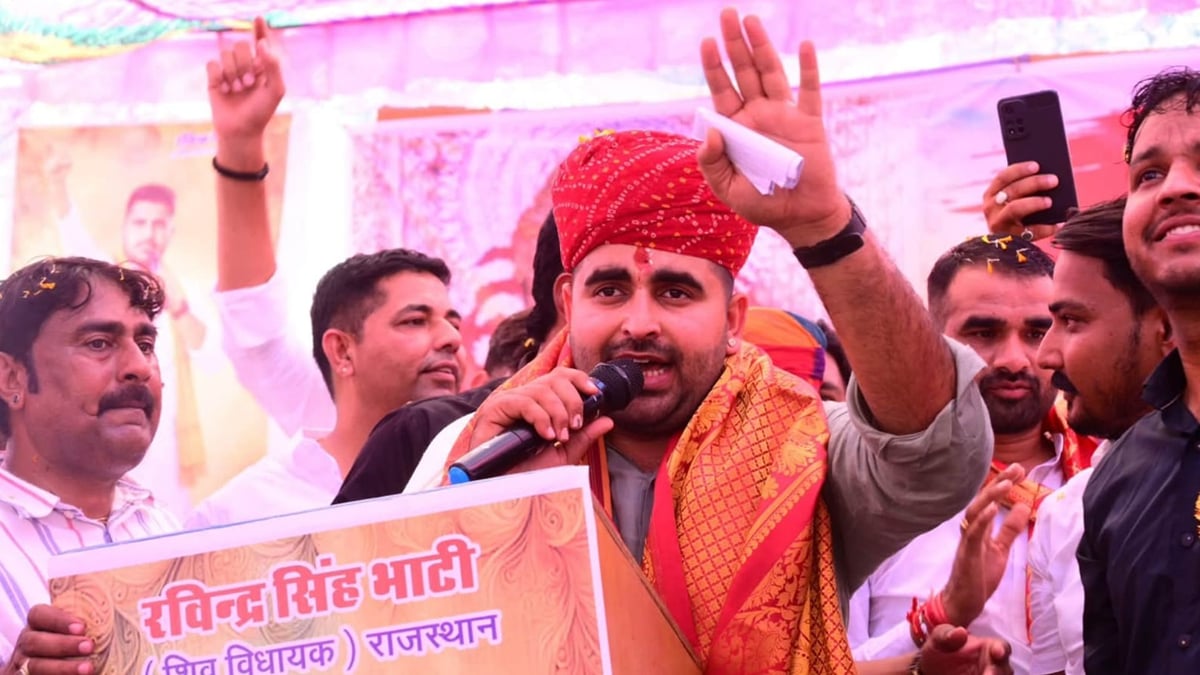
In a significant political development, independent leader Ravindra Singh Bhati reached Didwana as part of his ongoing campaign regarding the simplification of Economically Weaker Section (EWS) reservation rules. The ongoing journey has drawn substantial attention from regional observers and political analysts alike, focusing heavily on administrative hurdles faced by aspiring youth candidates.
The current framework governing EWS reservations has remained a subject of intense debate across various platforms. Advocates for reform argue that stringent criteria and procedural complexities often deprive genuinely deserving candidates of their rightful opportunities in educational institutions and public employment sectors.
Addressing supporters and gathering crowds during his transit, Bhati underscored the critical financial and logistical stakes involved for countless families. The discourse primarily centers on ensuring that the socioeconomic intent behind the reservation policy translates effectively into tangible benefits for the targeted demographic without bureaucratic roadblocks.
Local communities, students, and various stakeholders have expressed mixed perspectives regarding the existing regulations. While some emphasize the necessity of maintaining strict verification protocols to prevent misuse, a vast majority of the youth maintain that relaxation of stringent clauses is vital for ensuring equitable access and fair representation.
The administrative ramifications of these ongoing demands extend significantly across regional boundaries, influencing public sentiment and legislative discussions. Local economies and community structures closely monitor policy shifts, given their direct bearing on employment prospects and academic futures for the upcoming generation.
Administrative authorities and central policymakers continue to evaluate the memorandum and representations submitted by various delegations. While formal administrative measures regarding potential regulatory amendments remain under review, statutory oversight bodies maintain that existing legal parameters must be carefully balanced against public welfare demands.
Looking forward, the timeline for potential administrative intervention or policy revision remains uncertain, yet public expectations remain high. Bhati has categorically stated that failure on the part of the central administration to address these grievances satisfactorily will compel leaders and supporters to execute a march toward Delhi to secure justice for the youth.