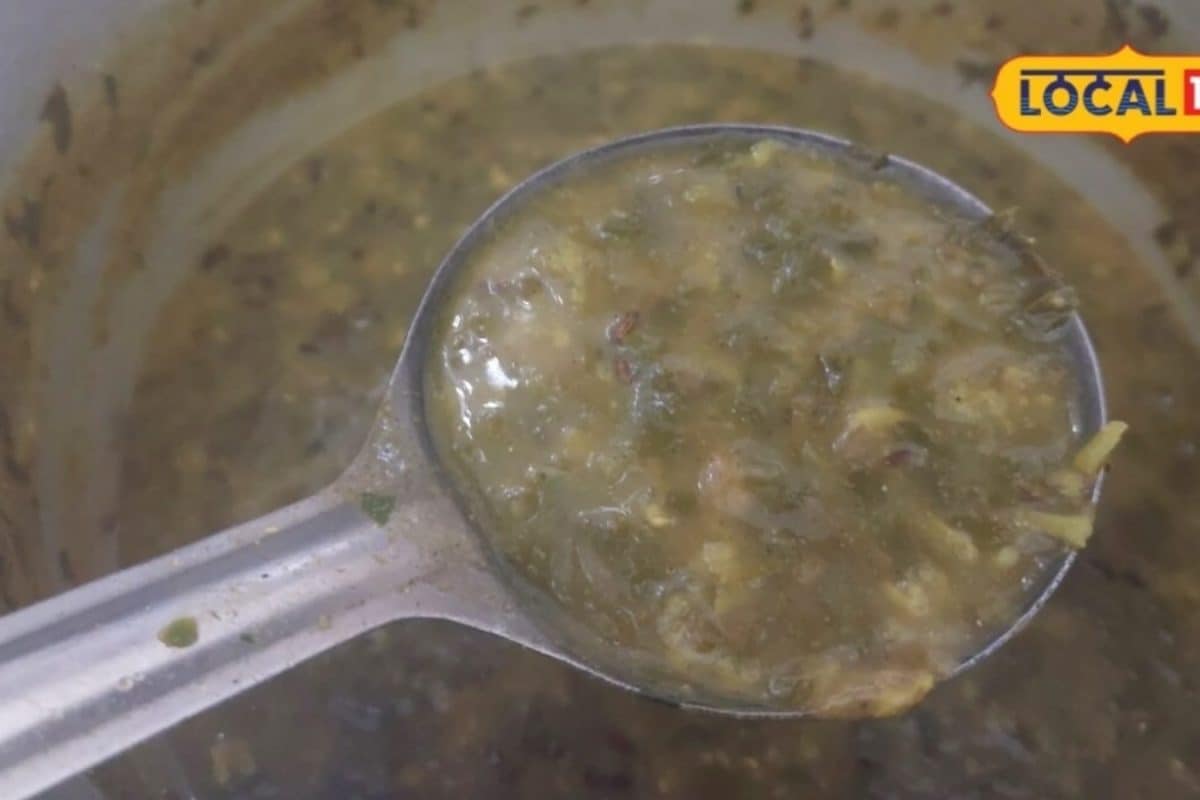
With the formal arrival of the winter season across the region, rural households in Dholpur have begun experiencing a notable revival of traditional indigenous culinary practices and seasonal dietary habits. Amid changing modern food trends, the countryside continues to preserve its culinary roots through time-tested recipes that have sustained generations against the harsh winter chill. This deep-seated attachment to ancestral food traditions highlights a cultural resistance to homogenization, ensuring that age-old flavors remain an integral part of rural life and community gatherings during the colder months.
Historically, culinary practices in rural Dholpur have evolved around seasonal availability, nutritional necessity, and agricultural abundance. The winter months traditionally bring forth a rich harvest of leafy green vegetables, which form the cornerstone of local gastronomy. Over generations, local homemakers ingeniously combined medicinal herbs and seasonal greens with coarse grains like pearl millet and protein-rich pulses to create balanced, warming meals designed to maintain bodily vigor and health during dropping temperatures.
Examining the ground reality of preparing this celebrated local dish reveals specific culinary metrics and logistical simplicity that appeal to modern and traditional households alike. According to documented preparation timelines, this nutrient-rich sabzi requires approximately 25 to 30 minutes from inception to completion. The culinary process involves boiling fresh fenugreek leaves and spinach, blending them smoothly with prepared split green gram and a thickening slurry of pearl millet flour, before simmering the mixture with essential culinary spices including salt, turmeric, coriander, garam masala, and red chili powder.
Local stakeholder perspectives and direct insights gathered from experienced home cooks provide a clearer picture of the preparation methodology and social appreciation surrounding the dish. Noted homemaker Prabha Sharma elaborates on the precise procedural nuances, explaining how the fundamental mixture of greens, lentils, and millet flour is elevated through a final tempering process. The dish achieves its characteristic aromatic profile through a careful tempering of cumin seeds, asafoetida, and green chilies fried in authentic mustard oil, which imparts a robust flavor profile cherished by community members.
The cultural resonance and widespread acceptance of this traditional preparation extend far beyond individual households, influencing the broader socio-cultural fabric of the region, including communities within Kotputli-Behror. Across rural settlements, food serves as a primary medium for social bonding, cutting across generational divides. Village elders and young children alike eagerly anticipate the preparation of this wholesome delicacy, establishing a culinary bridge that connects older generations with the contemporary youth through shared gastronomic experiences.
While local culinary traditions largely operate within the informal domestic sphere, regional bodies and cultural preservation groups increasingly recognize the importance of documenting these indigenous recipes. Although no formal statutory oversight or administrative intervention regulates traditional domestic cooking, community elders and local cultural organizations actively advocate for the preservation of these nutritional practices against the encroachment of commercialized fast food, ensuring that regional culinary knowledge is systematically passed down to upcoming generations.
Looking toward the forward outlook and upcoming winter procedures, local community expectations remain firmly rooted in the preservation and celebration of seasonal indigenous foods. As modern nutritional science increasingly validates the health benefits of millets and fresh leafy greens, culinary practices long preserved in Dholpur are gaining broader appreciation. The sustained popularity of this winter preparation ensures that traditional rural recipes will continue to flourish, maintaining their esteemed place on family dining tables alongside traditional pearl millet flatbreads for years to come.