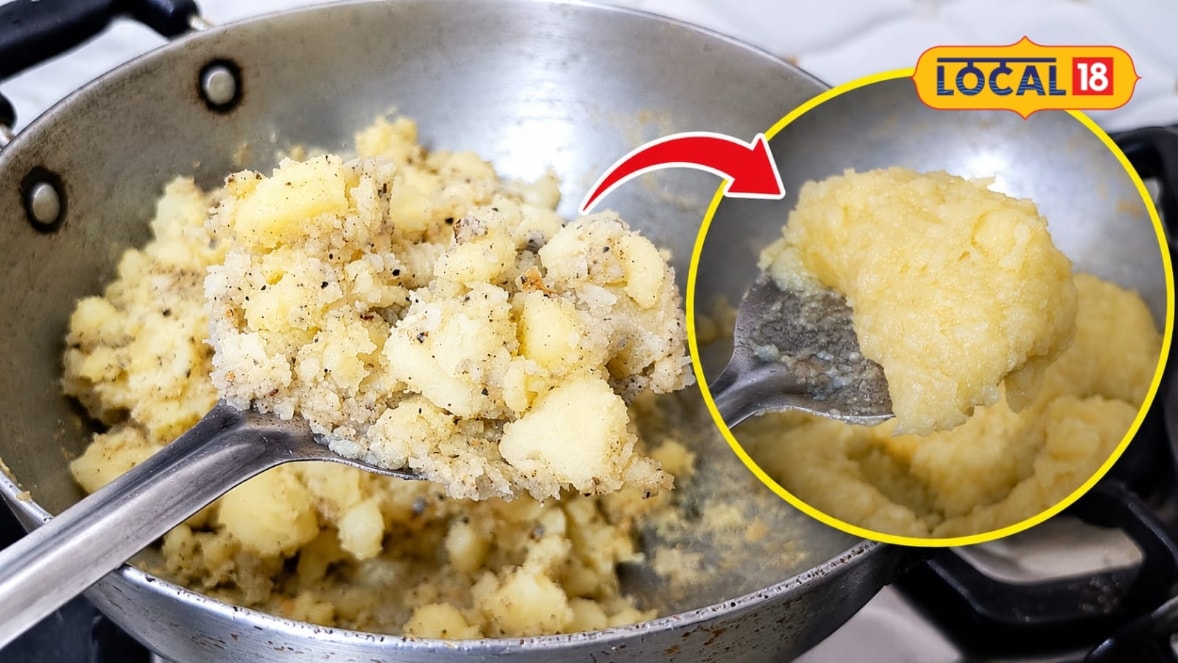
During the auspicious and spiritually significant festival of Navratri, households across the rural areas of Dholpur district immerse themselves deeply in traditional religious observances and dietary practices. Fasting during these sacred days requires careful preparation of pure, permitted foods known as Falaahar, which sustain devotees through prolonged hours of worship and spiritual reflection. The culinary traditions associated with Navratri fasting emphasize simplicity, purity, and the use of specific ingredients that align with scriptural guidelines and regional customs.
The culinary practices observed during Navratri in rural Dholpur have been passed down through generations, reflecting a rich heritage of domestic resourcefulness. Homemakers traditionally rely on ingredients that are both permissible during fasts and easily accessible within local markets and household pantries. This deep-rooted cultural framework ensures that spiritual devotion remains accessible to families across various economic backgrounds, allowing them to partake in religious rituals without undue financial strain or logistical complications.
Local homemaker Prabha Sharma elaborates on the meticulous preparation of exactly two primary dishes that dominate rural dining tables during this festive season: spicy salted potatoes and sweet potato halwa. These two distinct preparations successfully cater to both savory and sweet preferences of fasting family members. The entire culinary process is designed to be completed with minimal expenditure of time and financial resources, utilizing basic staples kept readily available in rural kitchens.
According to Prabha Sharma, the preparation of the savory dish involves boiling potatoes and seasoning them carefully with rock salt, commonly known as Sendha Namak, along with black pepper and a touch of pure desi ghee. This combination creates a tangy and zesty flavor profile that stimulates the palate while adhering strictly to fasting dietary rules. The sweet counterpart, potato halwa, is crafted by sautéing mashed or grated potatoes in rich desi ghee and sweetening the mixture with sugar until it achieves a comforting, rich consistency.
The integration of these two traditional dishes into daily religious observances provides immense nutritional and psychological benefits to fasting individuals. Beyond their cultural significance, the combination of carbohydrates from potatoes and healthy fats from desi ghee delivers sustained physical energy, helping devotees maintain their rigorous daily routines and religious duties throughout the nine-day festival. The simplicity of the recipe ensures that even novice cooks can prepare wholesome meals with confidence.
Regional community leaders and elders note that the continuation of such culinary practices reinforces social bonds and preserves intangible cultural heritage within the Kotputli-Behror and Dholpur regions. Families frequently share these preparations with neighbors and visiting relatives, fostering an atmosphere of communal harmony and shared devotion. The reliance on local, unadulterated ingredients further promotes sustainable and conscious eating habits that resonate with traditional principles of wellness.
Looking forward, as modern lifestyles increasingly influence traditional dietary habits, the preservation of authentic recipes like those shared by Prabha Sharma serves as a vital anchor to indigenous culture. Educational initiatives and community gatherings continue to highlight the importance of passing these generational cooking methods down to younger populations, ensuring that the spiritual and nutritional legacy of Navratri fasting remains vibrant and uninterrupted for years to come.