
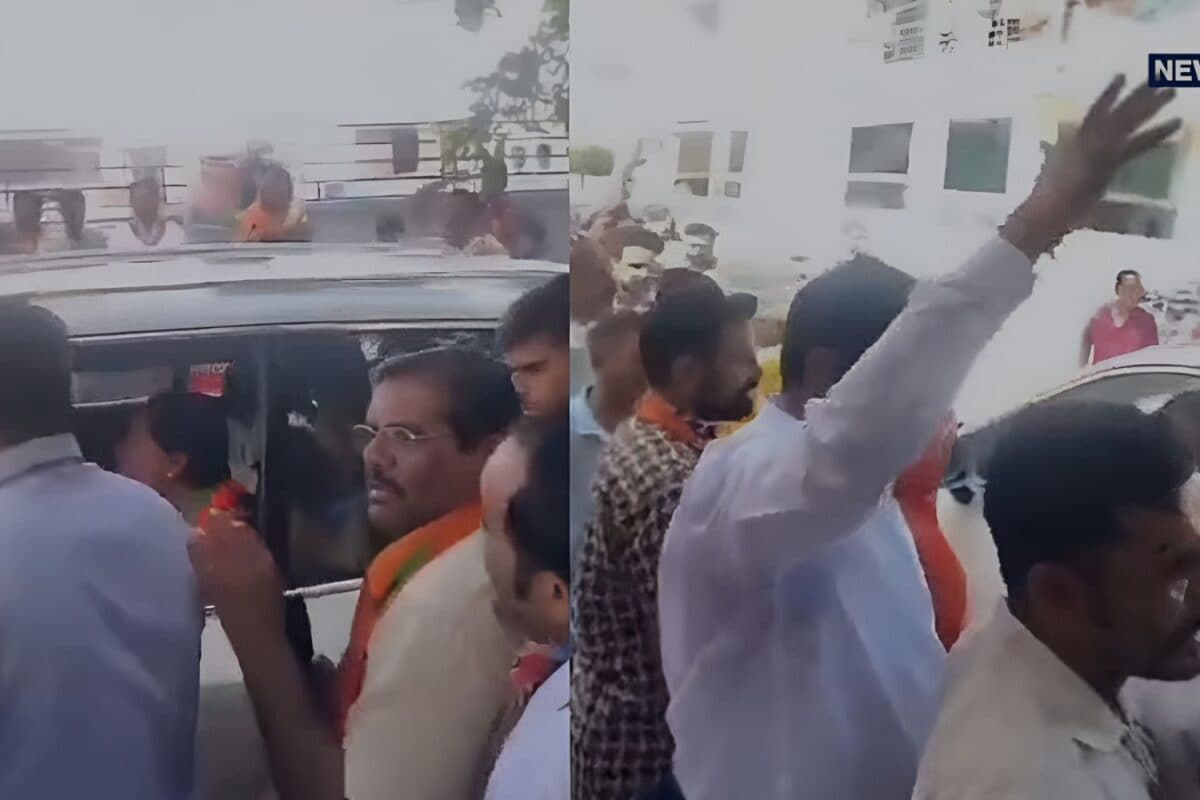
The municipal election process in the capital city witnessed an escalation of political tensions as Deputy Chief Minister Diya Kumari's inspection visits to various polling booths drew fierce opposition from the Congress party. The high-stakes electoral battleground transformed into a theater of confrontation as political workers and local citizens gathered to express their grievances openly. The developments highlight the intense competitive nature of local body elections and the immediate friction points that emerge when senior executive figures interface directly with active polling stations.
Historically, municipal elections in Rajasthan serve as vital barometers for urban public sentiment, setting the political tone for regional administration and grassroots governance. The ongoing elections to the municipal corporations involve complex logistical arrangements across numerous wards, where every single vote carries significant weight for party dominance in local municipal bodies. Over the years, these urban local body contests have increasingly become high-visibility battlegrounds, drawing intense participation from top-tier political leadership and state-level cabinet ministers alike.
Ground reports from the polling booths indicated that administrative machinery was tested to its limits as large crowds gathered to voice their discontent. Beyond the political confrontation between the ruling party leadership and the opposition cadre, voters expressed immense frustration regarding administrative anomalies, particularly concerning names allegedly missing from the official voter lists. This logistical failure at the booth level compounded the public anger, leading to a volatile environment where ordinary citizens found a platform to air their deep-seated grievances directly before visiting dignitaries.
Stakeholder reactions from both sides of the political spectrum highlighted the deep polarization surrounding the electoral event. Congress party representatives formally registered their strong objections, alleging that the presence of the Deputy Chief Minister at polling booths constituted an unfair attempt to influence voters during ongoing polling hours. Conversely, citizens and local residents seized the opportunity to voice broader socio-political concerns, moving beyond local municipal issues to register their dissent on contentious legislative policies currently dominating public discourse.
The resonance of these urban tensions extends well beyond the immediate municipal boundaries, impacting regional political dynamics across neighboring districts such as Kotputli-Behror and the wider metropolitan region of Jaipur. Local communities, traders, and civic groups closely monitor these developments, as outcomes in the capital's municipal corporations frequently signal shifts in urban voter behavior and grassroots political alignment. The interplay between state-level policy debates and local civic grievances creates a complex socio-political ecosystem that influences regional governance.
In response to the mounting chaos, election observers, local administrative officials, and security personnel faced immense pressure to maintain law and order while ensuring unhindered voting access. Statutory oversight during high-profile political visits demands rigorous adherence to the Model Code of Conduct and election commission guidelines. Administrative measures were swiftly deployed to disperse crowds and restore normalcy, preventing any escalation of physical confrontation between rival political workers stationed outside the sensitive polling booths.
Looking ahead, the fallout from these municipal election confrontations is expected to reverberate through the state's political corridors as parties prepare for subsequent administrative reviews and potential legal challenges regarding voter list discrepancies. Election authorities face the imperative task of addressing transparency concerns and rectifying administrative oversights to restore public confidence in the electoral machinery. As the final vote counts are awaited, the events surrounding the polling booths will undoubtedly remain a focal point of political debate and electoral scrutiny in the days to come.