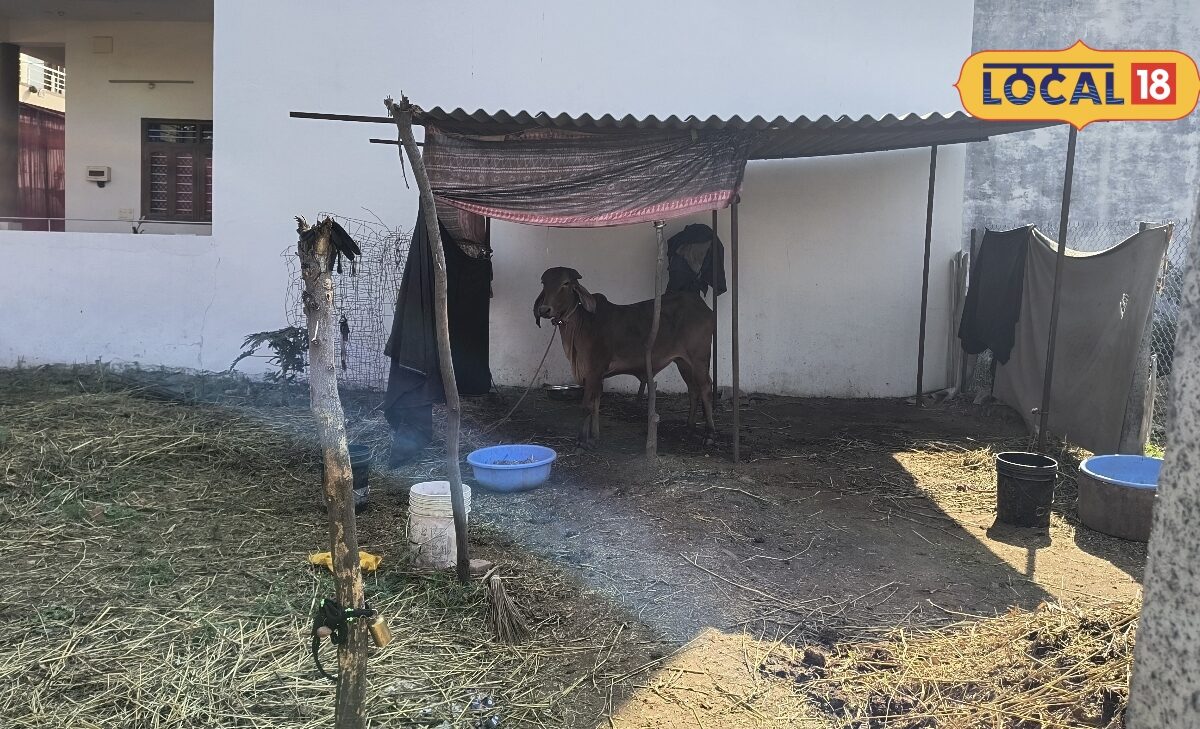
Livestock owners facing financial constraints due to costly commercial provisions can now adopt advanced agricultural science to optimize animal care. In Bhilwara, agricultural authorities and animal husbandry experts have brought forward a transformative methodology allowing farmers to elevate the nutritional quality of dry fodder locally. This scientific intervention eliminates the absolute necessity of procuring expensive commercial animal feed from the open market, thereby offering considerable relief to rural farming households.
The traditional reliance on standard dry fodder often fails to fulfill the comprehensive dietary requirements of dairy and draft animals, resulting in suboptimal growth and reduced milk yields. Historically, rural communities struggled to balance the nutritional intake of their livestock without incurring substantial financial expenditures on commercially packaged feeds. Recognizing this perpetual economic hurdle, researchers developed targeted enhancement processes designed to unlock dormant nutritional values within standard agricultural residue and dry roughage.
At the center of this agricultural advancement is the specialized urea treatment technique, which systematically transforms ordinary dry fodder into a protein-rich sustenance source. Through controlled application, this method introduces essential nitrogen into the feed structure, significantly improving digestibility and overall nutrient absorption for the livestock. While commercial alternatives impose heavy burdens on small-scale farmers, this locally manageable procedure optimizes available resources effectively, keeping operational costs remarkably low.
Local farming communities and experienced livestock rearers have expressed cautious optimism regarding the implementation of this scientific fodder enhancement protocol. Veterinary extension workers emphasize that while the financial advantages are immense, adherence to precise procedural guidelines remains non-negotiable. Experienced practitioners note that community workshops and direct training sessions are vital to ensure that every livestock owner properly understands the fundamental mechanics of the nitrogen enrichment process before attempting it independently.
The regional economy of Bhilwara heavily relies on dairy farming and livestock rearing as secondary yet crucial pillars of rural livelihood and financial stability. Implementing cost-effective nutritional enhancements directly protects vulnerable farming families from market price volatility associated with commercial feed products. Consequently, local agricultural cooperatives anticipate a steady improvement in overall herd health, productivity, and sustainable farm management across the entire district.
Veterinary departments and district administrative bodies have stepped forward to monitor the dissemination of this technique, ensuring that local farmers receive accurate guidance. Officials underscore the importance of strict regulatory oversight and continuous educational outreach to prevent improper usage. Veterinary clinics across the district remain on high alert to provide immediate technical assistance and address any operational queries raised by local agriculturists.
Looking toward the future, agricultural extension agencies plan to conduct comprehensive training camps throughout rural pockets of Bhilwara to maximize outreach. By fostering widespread adoption of scientifically treated dry fodder, the region aims to establish a resilient, self-sufficient framework for animal husbandry. Public expectations remain high as farmers prepare to integrate these cost-saving measures into their daily livestock management routines ahead of the upcoming seasonal transitions.