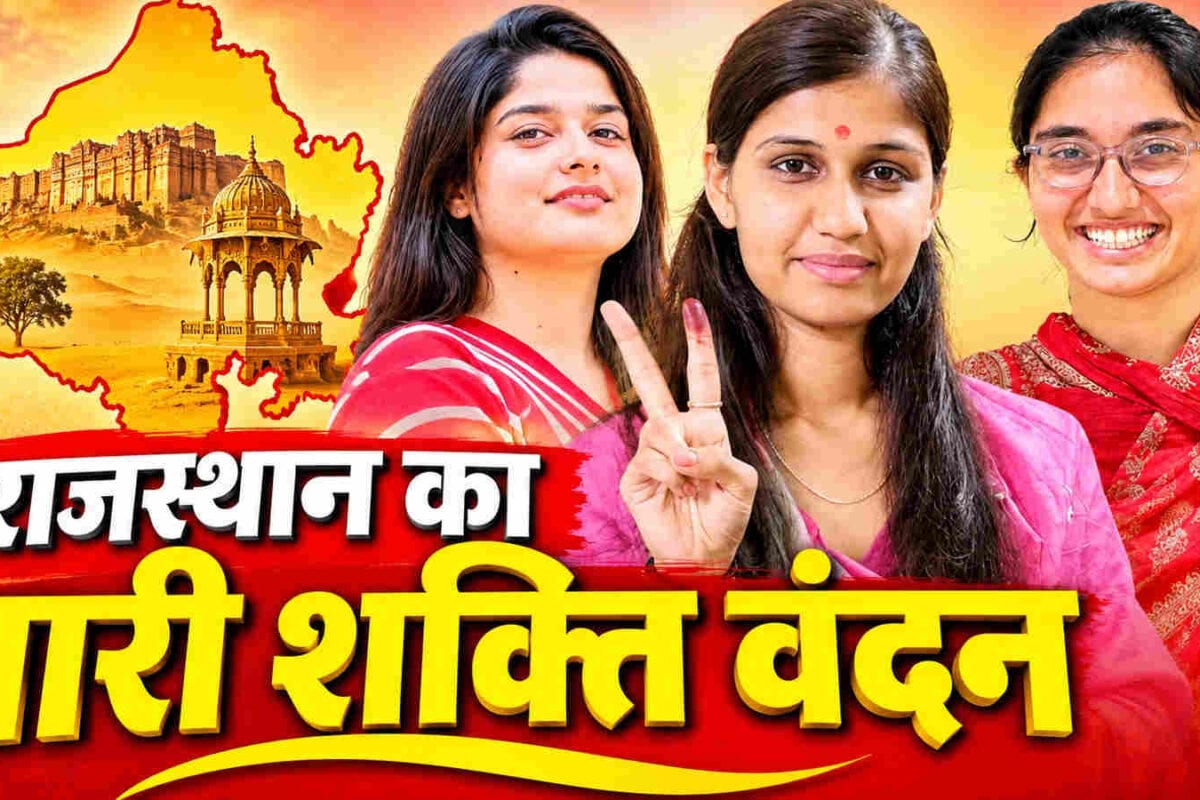
In a historic political development across Rajasthan, women have achieved a remarkable milestone in the recent Zila Pramukh elections by securing twenty six out of the thirty seven currently declared district leadership positions. Out of a total of forty one districts in the state, elections have been successfully conducted in thirty seven districts so far, where female candidates have dominated the highest political offices. This unprecedented electoral outcome has effectively surpassed standard legislative expectations, reflecting a profound shift toward women empowerment across the region.
Historically, local self-government institutions in Rajasthan have witnessed varying levels of political participation, but the current mandate marks the first time that such a massive concentration of women has ascended to the highest executive positions at the district level. Political analysts and administrative observers note that this overwhelming representation mirrors the spirit of the national women reservation framework, effectively translating grassroots democracy into tangible female leadership on an unprecedented scale.
A detailed analysis of the official election statistics reveals that thirty seven districts have completed their electoral processes out of the total forty one administrative divisions. Among these completed elections, an astounding twenty six district headquarters are now headed by women Zila Pramukhs. This statistical dominance underscores a decisive mandate by the electorate, prioritizing capable administrative leadership through female representatives at the helm of local governance.
Stakeholders, local citizens, and regional political commentators have expressed widespread appreciation for this transformative shift. Community leaders emphasize that the massive representation of women in these apex local bodies will profoundly influence policy formulation, social welfare execution, and grassroots development schemes. The active involvement of diverse demographics is expected to bring renewed transparency and accountability to local administrative machinery.
The regional impact of this political transition extends significantly into various administrative zones, including areas around Kotputli-Behror, where local communities are closely observing the restructuring of district governance. The enhanced participation of women at the topmost tier of rural administration is anticipated to inspire broader civic engagement and encourage more women to step forward into active public service and local governance.
Administrative authorities and election officials have maintained strict oversight throughout the entire electoral procedure, ensuring complete transparency, adherence to statutory guidelines, and peaceful conduct of the polls. District election cells have facilitated the seamless transition of power, enabling the newly elected Zila Pramukhs to assume office without administrative hurdles, thereby maintaining institutional continuity across all participating districts.
Looking toward the future, the newly empowered district leadership faces substantial responsibilities in executing developmental projects, managing local budgets, and addressing rural infrastructure needs. Significantly, among the newly elected leaders, three young women aged merely twenty-one and twenty-two years have also captured top positions, signaling a generational shift that promises dynamic, forward-looking governance for the citizens of Rajasthan in the coming years.