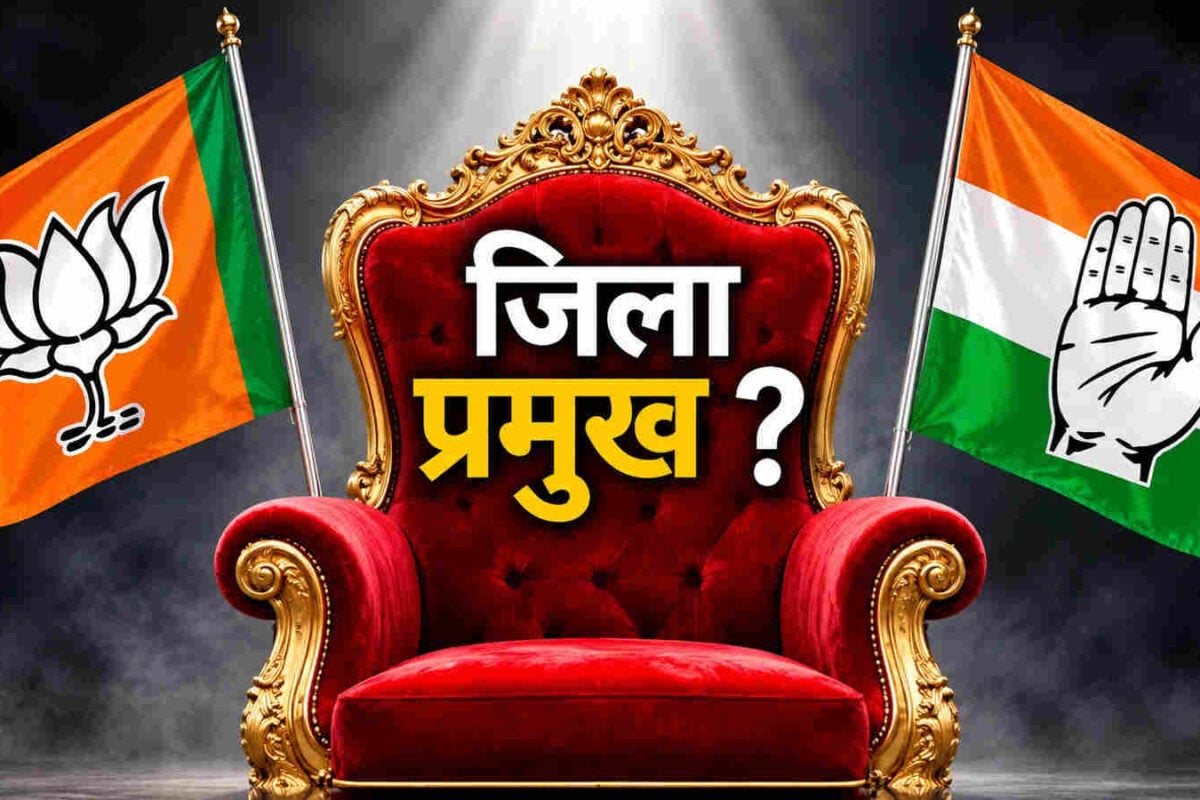
The political landscape in Rajasthan has witnessed a significant shift following the conclusion of the recent Zila Parishad and local governance elections. While the Congress party is celebrating a resounding electoral mandate and displaying high morale across the state, the Bharatiya Janata Party is grappling with the aftermath of a disappointing defeat. The electoral outcomes have laid bare severe structural and numerical vulnerabilities within the opposition ranks in several key districts.
A critical examination of the electoral data reveals that the struggles of the Bharatiya Janata Party extended far beyond mere numerical deficits in vote shares. In the districts of Sawai Madhopur, Dausa, and Jaisalmer, the situation deteriorated to an extent where the party could not even contemplate entering the electoral fray for the prestigious and influential position of Zila Pramukh, effectively conceding the ground without a contest.
The root cause of this unprecedented predicament stems from two distinct electoral setbacks faced by the party in these specific regions. First, the Bharatiya Janata Party suffered its most devastating defeats in the Zila Parishad elections in Sawai Madhopur, Dausa, and Jaisalmer, winning an absolute minimum number of seats. Second, the fractional strength of only two or four members who managed to secure victory in these districts did not belong to the specific social categories for which the Zila Parishad chairperson seats were constitutionally reserved.
Political analysts and local observers note that statutory reservation rules strictly dictate that candidates must align with the designated demographic categories, such as Scheduled Castes, Scheduled Tribes, or Other Backward Classes, depending on the roster rotation. Since the minuscule tally of elected members from the Bharatiya Janata Party failed to meet these mandatory criteria, the party leadership faced a complete legal and administrative roadblock, rendering them legally barred from filing nominations.
The administrative fallout of this organizational paralysis became even more apparent when the party struggled to field candidates for the subordinate positions of Up-Zila Pramukh in various districts. The inability to present viable candidates for these crucial administrative positions reflects a deeper systemic challenge regarding candidate selection, grassroots penetration, and strategic demographic mapping during the election cycle.
District administrative authorities have closely monitored the unfolding political developments, ensuring that the election processes for the Zila Pramukh and Up-Zila Pramukh positions adhere strictly to the established guidelines of the Rajasthan Panchayati Raj Act. Despite the administrative readiness, the absence of opposition contenders in Sawai Madhopur, Dausa, and Jaisalmer highlighted a heavily lopsided political contest in these particular zones.
As the newly elected local representatives prepare to assume office and tackle regional developmental agendas, the leadership of the Bharatiya Janata Party faces intense internal scrutiny. The events in Sawai Madhopur, Dausa, and Jaisalmer serve as a stark reminder of the critical importance of grassroots strength and inclusive social representation in local body politics, setting the stage for future organizational overhauls.