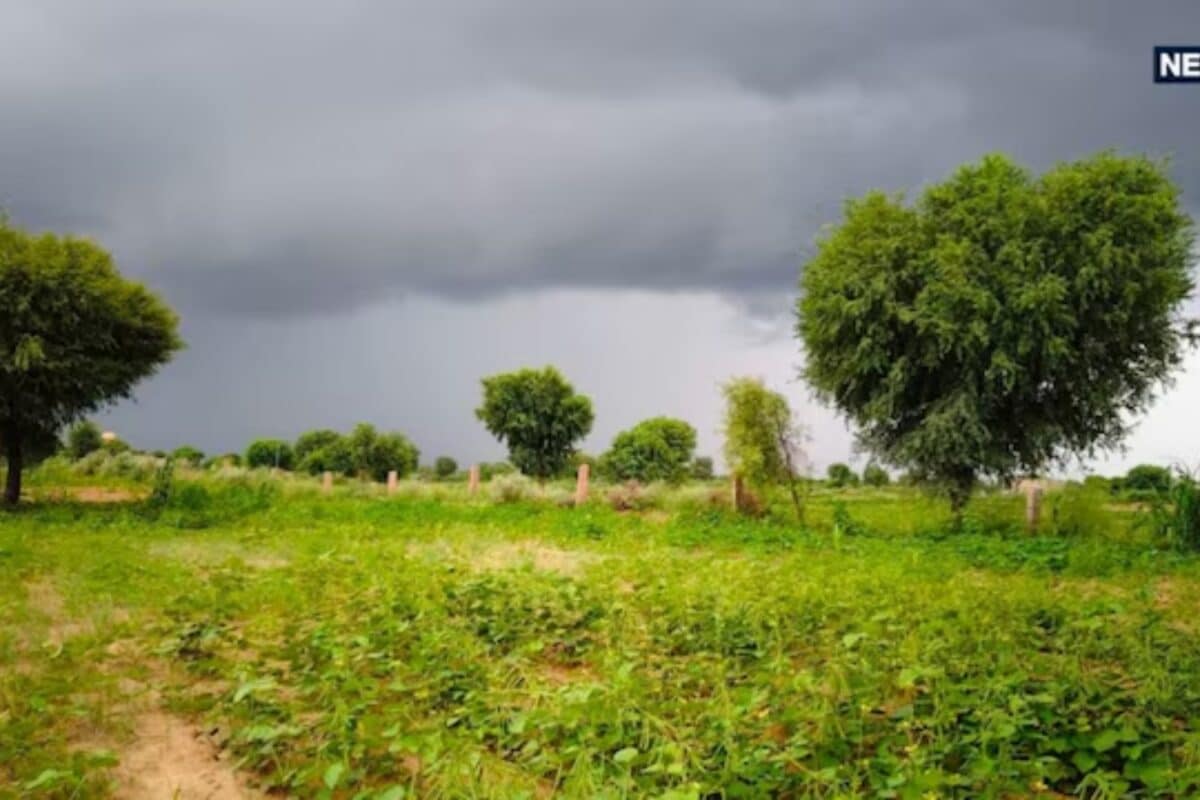
The Meteorological Center Jaipur has released its comprehensive weather assessment for the state, confirming that October 8, 2026, will witness entirely dry weather conditions. Citizens across the entire territory of Rajasthan will experience clear skies, as no meteorological disturbances or precipitation alerts have been issued by the weather monitoring authorities. This prolonged dry spell continues to shape the atmospheric profile of the region as autumn progresses.
Reviewing the historical weather patterns for this phase of October, meteorologists note that transitional seasonal phases frequently bring alternating temperature fluctuations. The meteorological department monitors atmospheric pressure systems vigilantly across both desert corridors and fertile plains. While previous monsoon phases have receded completely, the current dry atmospheric regime establishes a stable baseline across all regional jurisdictions without triggering severe weather warnings.
Delving into the specific geographical spread, the forecast covers all administrative divisions including Jaipur, Kota, Udaipur, Bharatpur, Jodhpur, and Bikaner. Statistical projections from the Meteorological Center Jaipur indicate that daytime temperatures across most parts of the state will hover between 2 to 4 degrees Celsius above normal levels. This noticeable upward deviation means that residents will confront heightened daytime thermal discomfort despite the absence of any hazardous weather phenomena.
Agricultural experts, local merchants, and regional community stakeholders have expressed varied reactions regarding this weather trajectory. While uninterrupted dry conditions facilitate certain logistical and harvesting activities, the persistent afternoon warmth demands caution regarding water consumption and outdoor labor schedules. Local commerce and daily routines are adapting to the elevated thermal indices reported by weather monitoring stations.
Focusing specifically on the Kotputli-Behror district and surrounding sub-divisions, the regional economy and local communities feel the direct impact of these temperature variations. Daily commuting, marketplace activities, and agricultural oversight in the local rural belts must account for the 2 to 4 degrees Celsius rise in maximum temperatures. Civic bodies and local authorities are monitoring the micro-climate to ensure public well-being amidst the prevailing daytime heat.
In response to the statewide weather conditions, administrative authorities and disaster management cells have maintained regular coordination with the Meteorological Center Jaipur. Since the entire state of Rajasthan has been designated within a safe green zone with zero active weather warnings, no emergency deployment is mandated. However, continuous monitoring ensures that any sudden atmospheric shifts will be communicated swiftly to the public.
Looking ahead toward the upcoming weekly schedule, meteorological analysts anticipate the continuation of dry conditions across eastern and western Rajasthan. Public expectations and administrative planning remain aligned with the established forecasts, urging citizens to stay hydrated and protect themselves from the elevated daytime temperatures as the region transitions deeper into the post-monsoon climate phase.