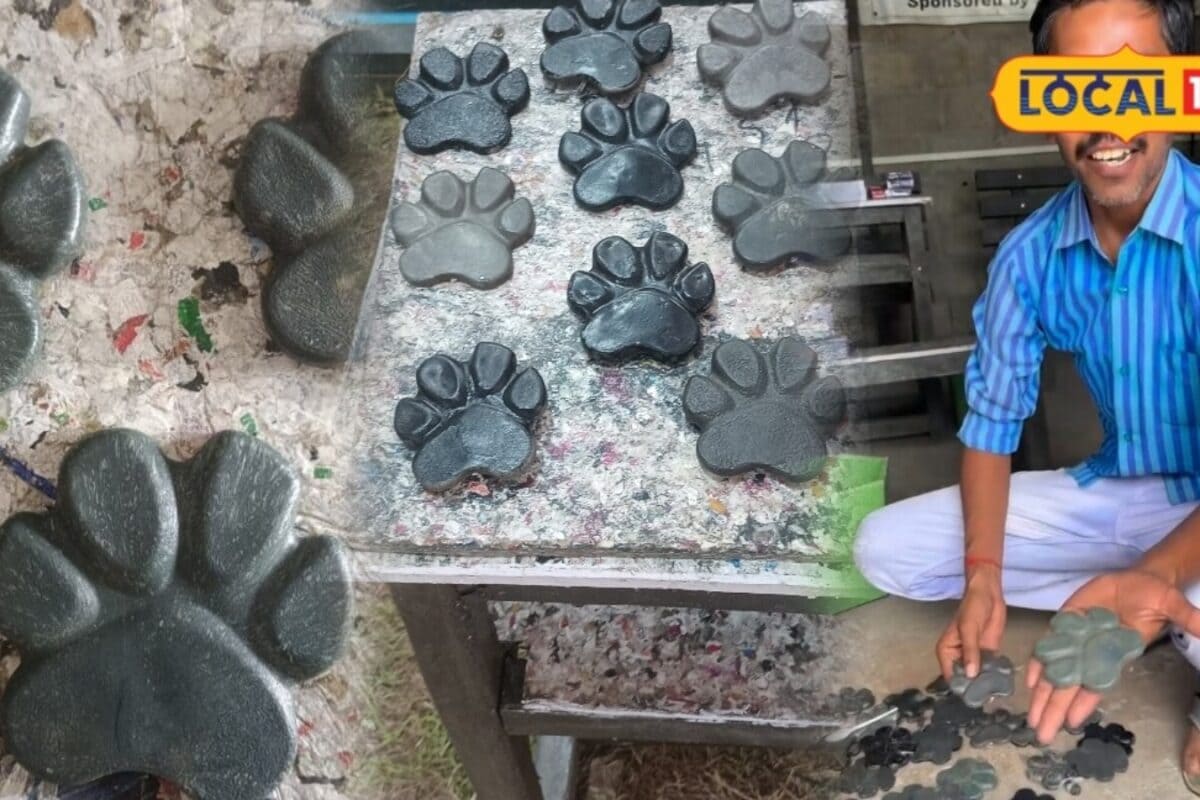
In an extraordinary convergence of environmental conservation and local artistry, Pali district has emerged as the epicentre of a unique ecological initiative. Kanaram Mewara, widely known by his affectionate moniker Kanji, resident of Bisalpur village within the Pali district, has successfully transformed hazardous single-use plastic waste into exquisite magnetic symbols. These distinctive artifacts meticulously replicate the majestic paw prints of the indigenous leopards inhabiting the picturesque landscapes of Jawai, creating a brand new cultural and tourist identity for the region.
The genesis of this remarkable innovation lies in the growing ecological challenge posed by discarded plastic waste in rural and semi-urban belts of Rajasthan. Recognizing the severe environmental threat and aesthetic degradation caused by non-biodegradable single-use plastics, Kanji embarked upon a dedicated personal mission to repurpose discarded refuse. By melting and molding waste plastic collected from local surroundings, he ingeniously designed durable refrigerator magnets and souvenirs that mirror the iconic pugmarks of the region's famed wildlife population, seamlessly blending utility with ecological consciousness.
The ground reality of this creative enterprise reflects a profound shift in how local artisans perceive waste material. Operating from his modest setup in Bisalpur village, Kanji processes significant quantities of single-use plastic debris, effectively converting potential environmental hazards into valuable commodities. While specific monetary turnovers fluctuate based on seasonal tourism influxes, the scale of production has expanded remarkably to meet a continuously growing commercial footprint across the domestic market.
The resonance of this eco-friendly innovation has profoundly impacted tourists, wildlife enthusiasts, and conscious consumers visiting the Jawai region. Visitors drawn to the area for its renowned leopard safaris now seek out these authentic paw-print magnets as treasured mementos of their wildlife encounters. Local traders and tourism stakeholders have expressed immense appreciation for Kanji's efforts, noting that these sustainable keepsakes provide tourists with a meaningful connection to the local ecosystem while promoting messages of cleanliness and conservation.
Beyond the immediate boundaries of Pali district and Jawai, the ripples of this pioneering initiative are extending far and wide. The regional economy is witnessing a subtle yet vital boost as interest in locally crafted sustainable goods gains momentum. Community members and rural youth within Bisalpur village view Kanji's enterprise as an inspiring model of self-reliance, proving that grassroots environmental problem-solving can successfully intersect with commercial viability and artisanal skill.
While individual grassroots innovators often operate outside the formal umbrella of extensive government programs, the local administrative framework and municipal bodies increasingly recognize the importance of such community-led waste reduction efforts. Institutional encouragement and broader platforms for showcasing sustainable crafts can significantly amplify these localized impacts, ensuring that single-use plastic eradication campaigns receive robust community backing and practical execution models.
Looking toward the horizon, the outlook for this unique venture remains exceptionally promising as orders continue to stream in from various states across the country. Plans to scale up production, enhance distribution networks, and diversify eco-friendly product designs are currently underway. Through unwavering dedication and creative brilliance, Kanaram Mewara has not only redefined waste management in Bisalpur village but has also permanently etched the magnificent identity of Jawai's leopards into homes nationwide.