The political and administrative landscape of Rajasthan is gearing up for a massive democratic exercise as the formal announcement for the much-awaited Panchayati Raj elections is scheduled to take place on October 3. This comprehensive electoral process is set to transform the governance structure at the grassroots level across the entire state, engaging millions of voters in selecting their local leadership.
Historically, Panchayati Raj elections in Rajasthan have served as the bedrock of rural democracy, empowering village communities to take charge of their own development initiatives, resource allocation, and local infrastructure projects. The upcoming polls represent a critical milestone in reinforcing decentralization and ensuring that administrative accountability reaches the remotest settlements and marginalized populations.
According to the preliminary operational blueprint, the entire polling schedule is anticipated to unfold in four distinct phases to ensure foolproof security, seamless logistical coordination, and thorough administrative oversight. This phased approach allows election machinery to effectively manage polling booths, deploy security personnel, and distribute voting materials without overwhelming local resources.
A staggering scale defines this electoral event, with statistical projections indicating that more than 1.69 lakh public representatives will be elected to various tiers of local governance. These elected officials will shoulder the immense responsibility of steering rural development, managing welfare schemes, and acting as the direct bridge between rural citizenry and higher governmental authorities.
The announcement on October 3 will automatically trigger the immediate enforcement of the model code of conduct across all rural regions of Rajasthan. This regulatory framework is designed to maintain a level playing field among political contenders, curb misuse of state machinery, and preserve the integrity and fairness of the electoral contest.
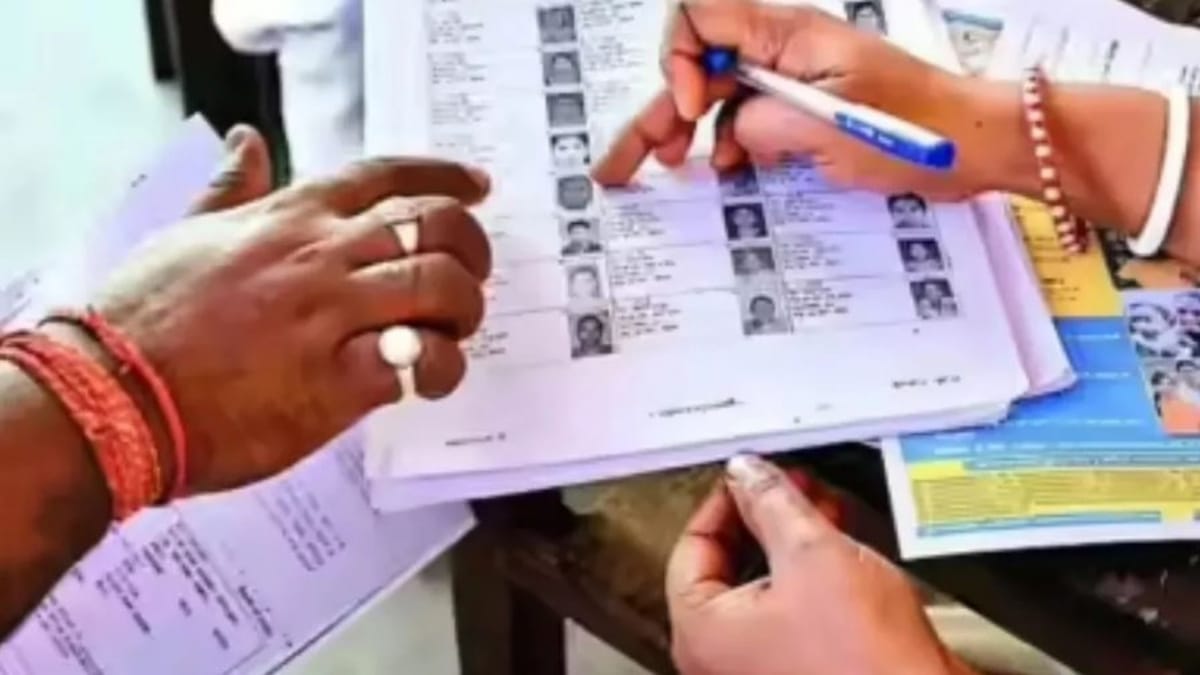
Administrative authorities and district election cells have already initiated preliminary preparations, reviewing polling station infrastructure, updating electoral rolls, and finalizing training modules for polling officers. District administrations across the state are directed to ensure absolute neutrality, strict adherence to legal provisions, and uncompromised transparency throughout the electoral tenure.
As the clock ticks toward the formal announcement, rural communities, prospective candidates, and political parties are actively recalibrating their strategies. The upcoming weeks will witness intense political mobilization across villages, culminating in a vibrant demonstration of grassroots democracy as citizens exercise their franchise to shape the future of local governance.