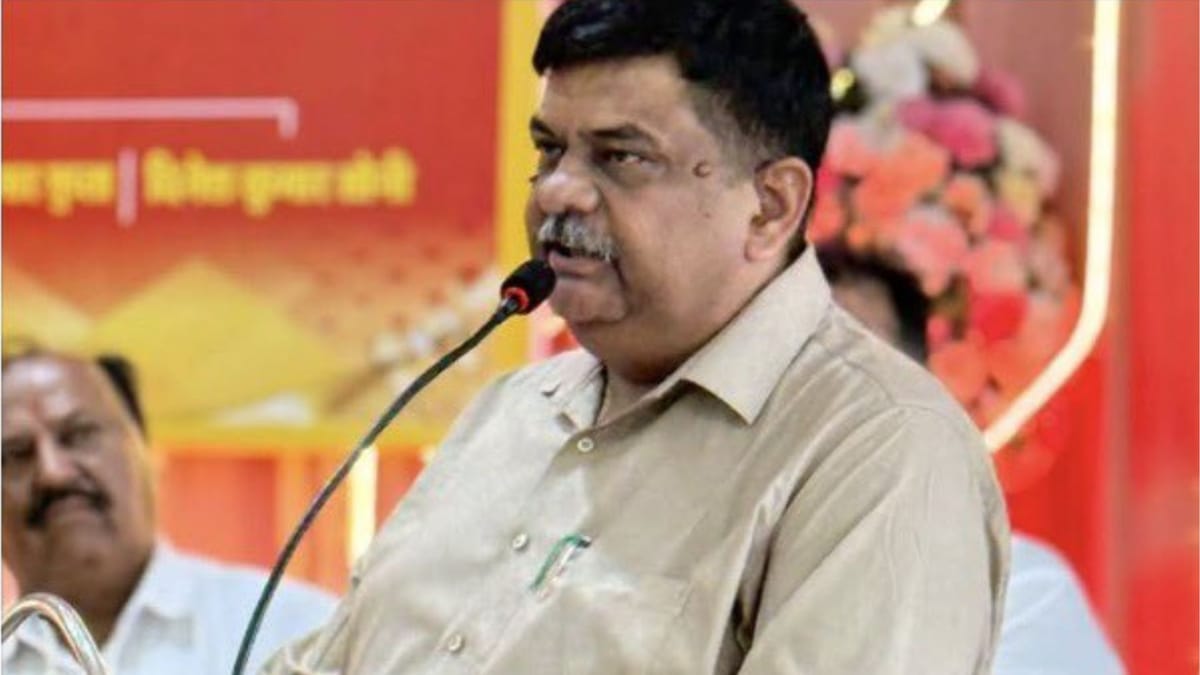
Internal political discord and administrative friction have surfaced prominently within the Alwar Municipal Corporation in Rajasthan, casting a shadow over local governance just ten days after the conclusion of the high-stakes mayoral elections. The unfolding situation highlights deep-seated coordination challenges between elected representatives and bureaucratic leadership within the civic body.
The controversy gained momentum on the auspicious occasion of Gandhi Jayanti, a national day of observance, when the State Minister of Forests, Sanjay Sharma, made an official visit to the Alwar Municipal Corporation premises. Such ministerial visits traditionally involve formal protocol, structured greetings, and high-level administrative briefings regarding ongoing urban development initiatives.
Protocol dictates that key municipal functionaries, specifically the mayor and the municipal commissioner, should remain present on site to receive visiting cabinet ministers and apprise them of civic administration matters. However, upon the arrival of Minister Sanjay Sharma at the municipal corporation, neither the mayor nor the commissioner was present to welcome him or accord him the customary official reception.
This conspicuous absence of the primary civic authorities during a high-ranking state minister's visit has triggered intense speculation regarding strained relations and internal political friction within the local governance structure. Observers and local political analysts note that such occurrences barely ten days after the mayoral elections indicate unresolved factional dynamics or administrative defiance.
The administrative implications of this incident extend beyond the immediate boundaries of the municipal limits, drawing the attention of regional stakeholders, local traders, and residents across the surrounding districts, including Kotputli-Behror. Effective communication and seamless coordination between state-level ministries and local municipal bodies are essential for the smooth execution of urban development projects and public welfare schemes.
Following this unexpected turn of events, administrative circles within the Alwar Municipal Corporation are abuzz with discussions concerning official protocol, accountability, and the maintenance of institutional hierarchy. Senior bureaucrats and civic authorities are under mounting pressure to clarify the circumstances that led to the absence of the mayor and commissioner during the cabinet minister's scheduled visit.
As the administration reviews the protocols and attempts to bridge the apparent gap between state leadership and local civic authorities, public expectations remain high for transparent governance and harmonious working relations. The upcoming administrative procedures and subsequent official interactions will determine whether this incident remains an isolated oversight or signals a prolonged period of institutional friction within the civic body.