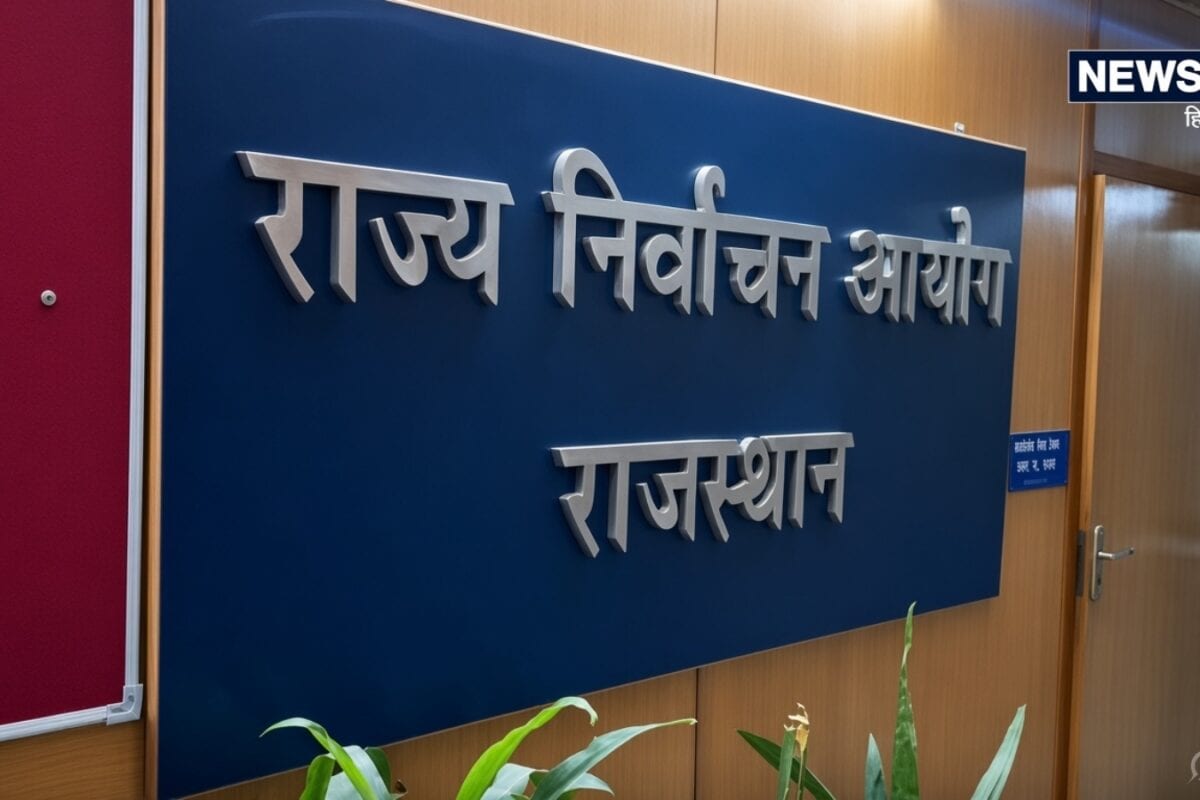
The State Election Commission of Rajasthan has announced that all preparations for the general elections of Panchayati Raj institutions for the year 2026 have been successfully completed. Demonstrating strict adherence to democratic procedures, the electoral authority is scheduled to officially release the comprehensive election program tomorrow afternoon at 3:00 PM. This major announcement marks a pivotal milestone in the democratic journey of the region, setting the stage for extensive participation by rural communities.
As soon as the detailed election schedule is formally issued by the Commission, the model code of conduct will automatically come into force across all rural administrative jurisdictions in the state. This regulatory measure is designed to ensure a free, fair, and transparent electoral process, preventing any misuse of administrative machinery and ensuring a level playing field for all political contenders and independent candidates alike.
The scheduling of these grassroots elections follows closely on the heels of the recently conducted municipal and urban local body elections across various districts of Rajasthan. By moving systematically from urban bodies to rural panchayats, the state is progressively advancing towards the implementation of the visionary 'One State, One Election' framework, which aims to streamline administrative expenditures, reduce logistical burdens, and ensure administrative continuity.
Local governance experts, community leaders, and village representatives have expressed immense enthusiasm regarding the upcoming electoral cycle. Rural stakeholders emphasize that Panchayati Raj institutions form the foundational bedrock of Indian democracy, directly empowering local populations to spearhead developmental initiatives, manage local resources, and address grassroots challenges without bureaucratic delays.
Within the administrative boundaries of the Kotputli-Behror region and surrounding rural sectors, local communities are already abuzz with political discussions and preparations. Village councils, aspiring candidates, and district administrative officials are reviewing voter lists, demarcation boundaries, and polling booth infrastructure to ensure seamless execution once the official dates and phases are declared by the State Election Commission tomorrow afternoon.
District administration officials and law enforcement agencies have initiated preliminary coordination meetings to review security protocols, logistical requirements, and deployment plans. Special emphasis is being laid on ensuring peaceful polling, maintaining public order, and facilitating senior citizens as well as differently-abled voters to exercise their franchise without any hindrance.
Looking ahead, the formal announcement tomorrow will initiate a tightly regulated countdown characterized by the filing of nominations, scrutiny of credentials, campaign rallies, and ultimately polling across multiple phases. The overarching objective remains the successful formation of robust, representative, and accountable rural local governments that can effectively channel developmental funds and welfare schemes to the farthest corners of the state.