
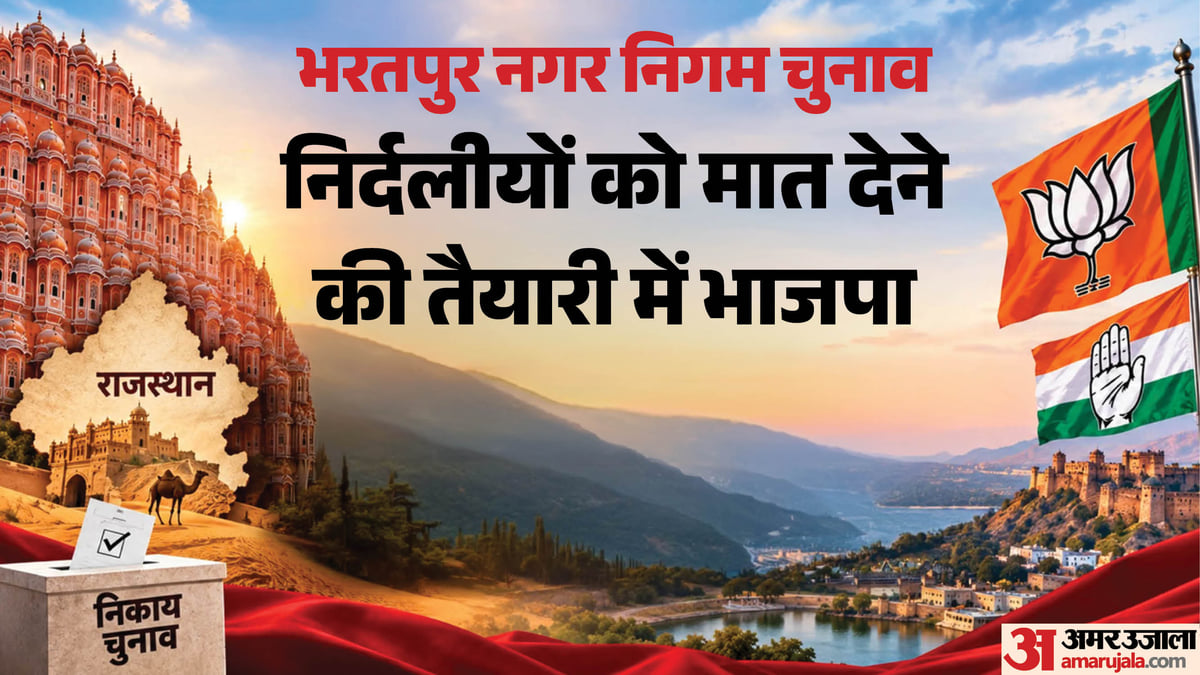
The political arena in Rajasthan is currently witnessing high-stakes strategic maneuvers following the municipal election results in Bharatpur, where the Bharatiya Janata Party has initiated comprehensive preparations to establish its governing board despite falling short of the traditional majority mark. This bold political initiative has transformed the local administrative landscape into a center of intense speculation, as party leadership works relentlessly to bridge the numerical gap required for securing the mayoral seat.
Historically, municipal elections in Rajasthan have always been characterized by fierce political competition and fluid alliances, setting a dramatic precedent for the current developments in Bharatpur. Over successive electoral cycles, the district has remained a vital political battleground where traditional party loyalties frequently intersect with local community dynamics, creating a uniquely complex environment for administrative governance and civic leadership.
A critical analytical focus in this ongoing political scenario centers around the pivotal presence of 36 independent councillors whose individual and collective decisions will ultimately determine the balance of power within the municipal corporation. The intricate arithmetic of securing additional support makes every single vote immensely valuable, with political strategists closely monitoring potential cross-voting scenarios that could decisively tilt the scales in favor of the BJP's ambitious board-formation plans.
Local stakeholders, political analysts, and community leaders have expressed varied perspectives regarding these fast-paced developments, emphasizing the profound implications for urban governance and local development initiatives. While party insiders remain highly optimistic about consolidating sufficient support through strategic negotiations, community representatives stress the paramount importance of prioritizing transparent municipal administration and citizen welfare above partisan political maneuvering.
While the immediate epicentre of these political developments remains Bharatpur, the administrative ripples and strategic ramifications extend outward toward neighboring regional administrative zones, including Kotputli-Behror, influencing broader political alignments across Rajasthan. Local business communities and regional residents are closely observing how these civic leadership decisions will impact infrastructure development, municipal budget allocations, and public service delivery in the coming months.
District administrative authorities and statutory election officials continue to monitor the political climate to ensure absolute adherence to municipal election guidelines, maintaining strict oversight over all procedural requirements for the upcoming mayoral election. Electoral protocols are being enforced with rigorous transparency to safeguard the democratic integrity of the board formation process, ensuring a peaceful and lawful transition of civic administration.
Looking ahead, the immediate timeline is dominated by intense political lobbying, strategic consultations, and the finalization of support alignments ahead of the crucial mayoral vote. As Anuradha Singh steps forward as the designated face for this high-profile leadership bid, public expectations remain intensely focused on how successfully the political machinery can translate numerical uncertainties into stable and effective municipal governance.