
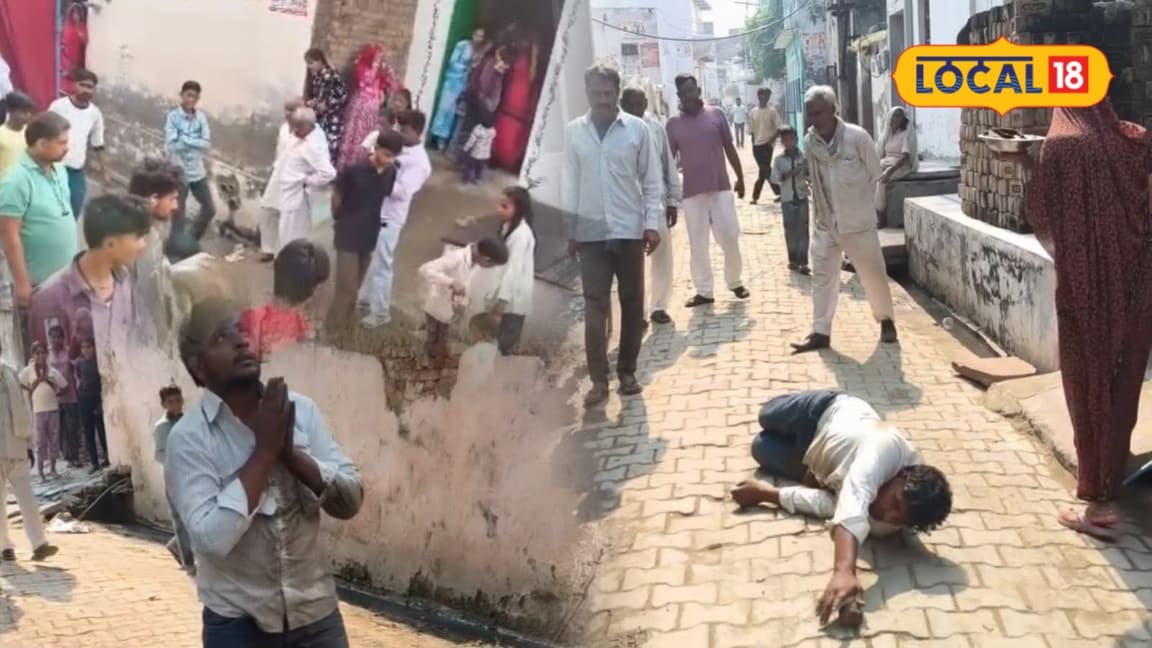
In the vibrant political landscape of rural Rajasthan, the electoral battleground for village leadership has witnessed an unprecedented and striking campaign spectacle. Across several administrative jurisdictions in Bharatpur district, candidates contesting for the prestigious position of Sarpanch are abandoning conventional vehicle rallies and door-to-door pamphlet distribution in favor of a profoundly physical and symbolic gesture of supplication. Aspiring leaders are taking to the dusty paths of their respective constituencies, performing full-body prostrations—locally known as dandwat parikrama—to solicit votes from every single household.
This traditional method of seeking divine blessings or demonstrating profound remorse has been dramatically repurposed for political mobilization. Historically reserved for spiritual pilgrimages and religious penance, prostration across village pathways signifies absolute surrender and utmost humility before the electorate. By lowering themselves entirely to the ground, these candidates are attempting to convey a powerful message of subservience to the community, signaling to voters that the aspirants view themselves not as masters, but as humble servants of the village populace.
The administrative focus has currently centered heavily on regions such as Gram Panchayat Salabad, alongside the neighboring areas of Awar and Rupbas. In these specific localities, the electoral contest has intensified to a level where standard political messaging is no longer deemed sufficient to sway the undecided electorate. The physical toll of this campaign style is immense, requiring candidates and their loyal supporters to endure hours of strenuous physical exertion under challenging weather conditions, navigating unpaved roads and uneven terrain strictly through prostration.
Reactions from the local residents of Salabad, Awar, and Rupbas have been mixed, oscillating between profound amusement, traditional reverence, and mild skepticism. While elderly villagers often view the physical penance through a cultural lens of respect and dedication, younger demographics tend to analyze the spectacle through a pragmatic electoral framework. Observers note that this strategy aims to create an indelible psychological impression, ensuring that the candidate remains etched in the memory of every voter long after the campaign concludes.
The ripples of this intense electoral maneuvering extend beyond immediate municipal boundaries, drawing attention from political analysts across the region. As local governance elections dictate the distribution of developmental funds, infrastructure projects, and welfare implementation at the grassroots level, the stakes for securing the Sarpanch seat remain exceptionally high. Consequently, candidates are willing to push physical and social boundaries to secure a competitive edge, turning routine local elections into high-visibility local spectacles.
Local administrative bodies and election watchdogs continue to monitor the campaign trails to ensure adherence to established model code of conduct guidelines and to maintain public order. While the physical prostrations themselves do not violate electoral laws, authorities maintain strict vigilance over associated public gatherings, processions, and potential expenditures to prevent any escalation of tensions or breaches of peace during the campaigning phase.
As the election date draws closer, the political atmosphere in Bharatpur district remains charged with anticipation and fierce rivalry. The ultimate efficacy of the dandwat parikrama campaign strategy will only be revealed when the ballot boxes are opened and the mandate of the villagers is officially declared. Until then, the image of candidates laying flat on the village soil of Salabad, Awar, and Rupbas remains the defining visual narrative of this extraordinary local democratic exercise.
