
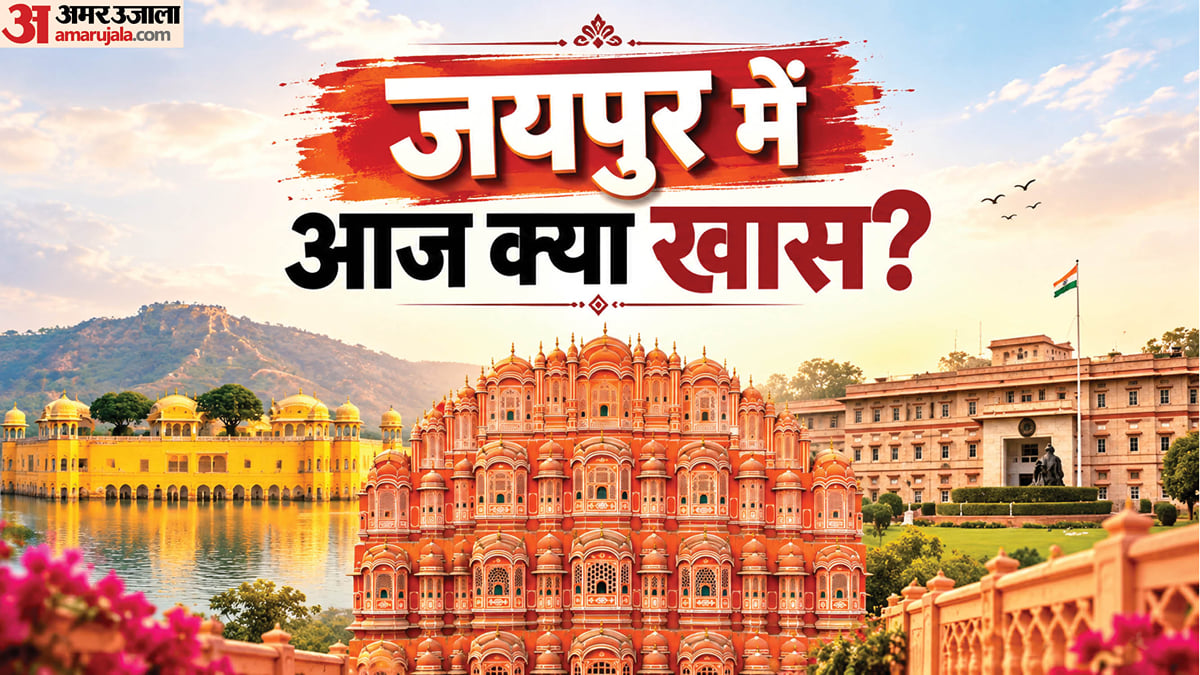
Jaipur stands witness to a series of crucial political and administrative developments today as Chief Minister Bhajanlal Sharma holds an official meeting with Union Minister Piyush Goyal. The high-profile interaction centers around the comprehensive review and execution strategy of the 'Raj Unnati' initiative, aiming to boost regional governance and developmental frameworks. Political observers and administrative analysts are closely monitoring these deliberations as they hold profound implications for the state's future roadmap.
The administrative context of this meeting stems from ongoing efforts by the state government to streamline bureaucratic processes and secure enhanced central cooperation. The 'Raj Unnati' framework has historically served as a vital instrument for evaluating developmental projects, ensuring transparency, and accelerating infrastructural growth across Rajasthan. By engaging directly with Union Minister Piyush Goyal, Chief Minister Bhajanlal Sharma seeks to align state-level priorities with national economic and administrative agendas.
While administrative machinery remains focused on the high-level ministerial consultations in Jaipur, the political landscape is simultaneously charged with opposition activities. MP Pawan Khera has arrived at the state Congress headquarters to address a scheduled press conference. Such political addresses typically outline the opposition's stance on current governance issues, administrative transparency, and socio-economic policies affecting the citizens of Rajasthan.
Stakeholders, including political activists, party workers, and policy analysts, are evaluating the simultaneous occurrences of these events in Jaipur. The dialogue between the Chief Minister and the Union Minister represents the executive pursuit of policy implementation, whereas the press conference by Pawan Khera underscores the democratic role of accountability and critique played by the opposition party within the state headquarters.
For the wider populace residing in surrounding districts, including Kotputli-Behror, these developments at the state capital carry considerable significance. Decisions finalized during meetings concerning initiatives like 'Raj Unnati' directly influence resource allocation, administrative efficiency, and local welfare schemes. Consequently, citizens and local entrepreneurs watch these state-level updates with keen interest, anticipating tangible benefits at the grassroots level.
Administrative oversight and bureaucratic preparedness remain paramount as both central and state entities coordinate their efforts. Officials from various departments in Jaipur are tasked with ensuring that the directives emerging from the meeting between Bhajanlal Sharma and Piyush Goyal are translated into actionable policies without administrative bottlenecks. Inter-governmental cooperation is being viewed as the cornerstone for achieving the projected developmental milestones.
Looking ahead, the outcomes of today's ministerial review and the opposition's statements are expected to set the political and governance tone for the coming weeks. As the administrative machinery processes the directives from the 'Raj Unnati' meeting and the opposition articulates its strategic viewpoints from the state headquarters, the citizens of Rajasthan await the practical execution of these political commitments and policy deliberations.
