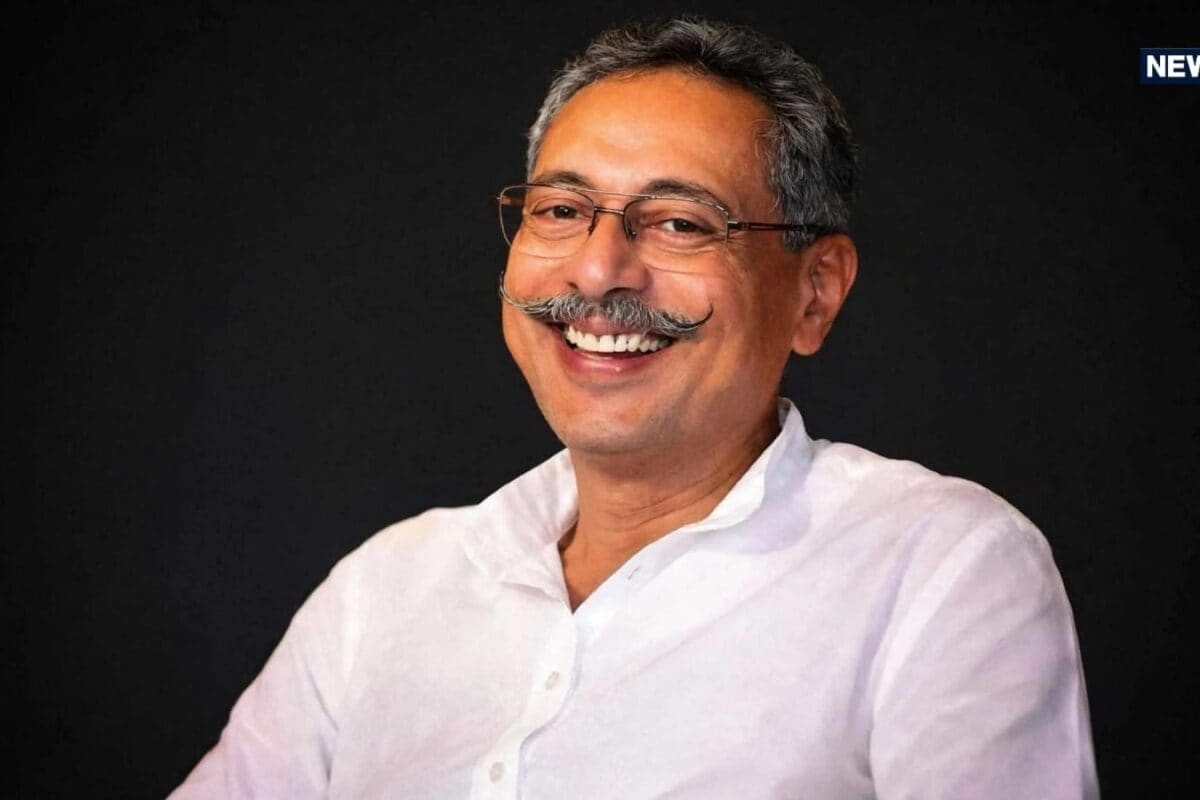
In a significant political development that has intensified the internal factionalism within the Rajasthan unit of the Indian National Congress, senior leader and former cabinet minister Vishvendra Singh has formally announced his decision to part ways with the party. Addressing his resignation letter directly to the Congress president, Singh expressed profound anguish over the current trajectory, state of affairs, and operational methods within the organization, categorically stating that he could no longer march in step with policies and practices he considers fundamentally flawed.
The roots of this high-profile departure trace back to persistent internal friction and simmering discontent within the regional political landscape of Rajasthan. Over recent months, Singh had repeatedly voiced strong reservations regarding the internal administrative approach, particularly following the disappointing electoral outcomes during the municipal elections in Bharatpur and Deig. During those local polls, the party suffered considerable setbacks, prompting Singh to publicly question the role, efficacy, and accountability of local district presidents as well as the overarching mechanisms governing ticket distribution.
The immediate catalyst for the resignation, however, centers around deep-seated grievances concerning mutual respect, organizational ethics, and personal dignity. Singh launched a scathing critique against certain party leaders whose public remarks and operational styles fostered what he described as a culture of sycophancy and blind obedience. He expressed deep offense at insinuations and direct challenges leveled against his personal integrity, steadfast loyalty, impeccable honesty, and long-standing administrative duty, which he maintained have always remained beyond reproach throughout his extensive political career.
Throughout his decades-long journey in public service, Vishvendra Singh has positioned himself as a leader driven by strict principles, uncompromising self-respect, and personal honor. In his official communication, he emphasized that he has unfailingly conducted his political endeavors with dignity and an unwavering commitment to his core values. He reiterated that he would rather sever ties with an established platform than compromise on the fundamental ideals and ethical boundaries that have defined his public life and relationship with the electorate.
The reverberations of this high-level exit are being felt strongly across the wider political spectrum of Rajasthan, particularly altering equations in the Bharatpur and Deig regions where Singh commands considerable influence. Local political analysts and regional observers note that the departure of such a prominent figure could potentially trigger cascading effects on community loyalties, organizational morale, and upcoming electoral strategies at both local and state levels. The grassroots network in Bharatpur is currently processing the implications of this separation, witnessing heightened debates among political workers and supporters.
As the political gravity of the resignation continues to unfold across the state, the administrative and organizational machinery of the Rajasthan Pradesh Congress Committee finds itself under intense scrutiny. Observers and media personnel are closely monitoring the headquarters for any formal statements, damage-control initiatives, or administrative resolutions. Thus far, the state leadership has maintained a cautious silence, with official responses and formal clarifications still awaited from the party high command.
Looking ahead, the fallout from Vishvendra Singh's exit introduces a new phase of uncertainty into Rajasthan's political arena, raising fundamental questions about inner-party democracy, grievance redressal, and leadership accountability. As political stakeholders recalibrate their strategies in anticipation of future electoral battles, the onus remains on the party leadership to address the underlying structural grievances highlighted by dissenting veterans in order to restore unity and public confidence.