
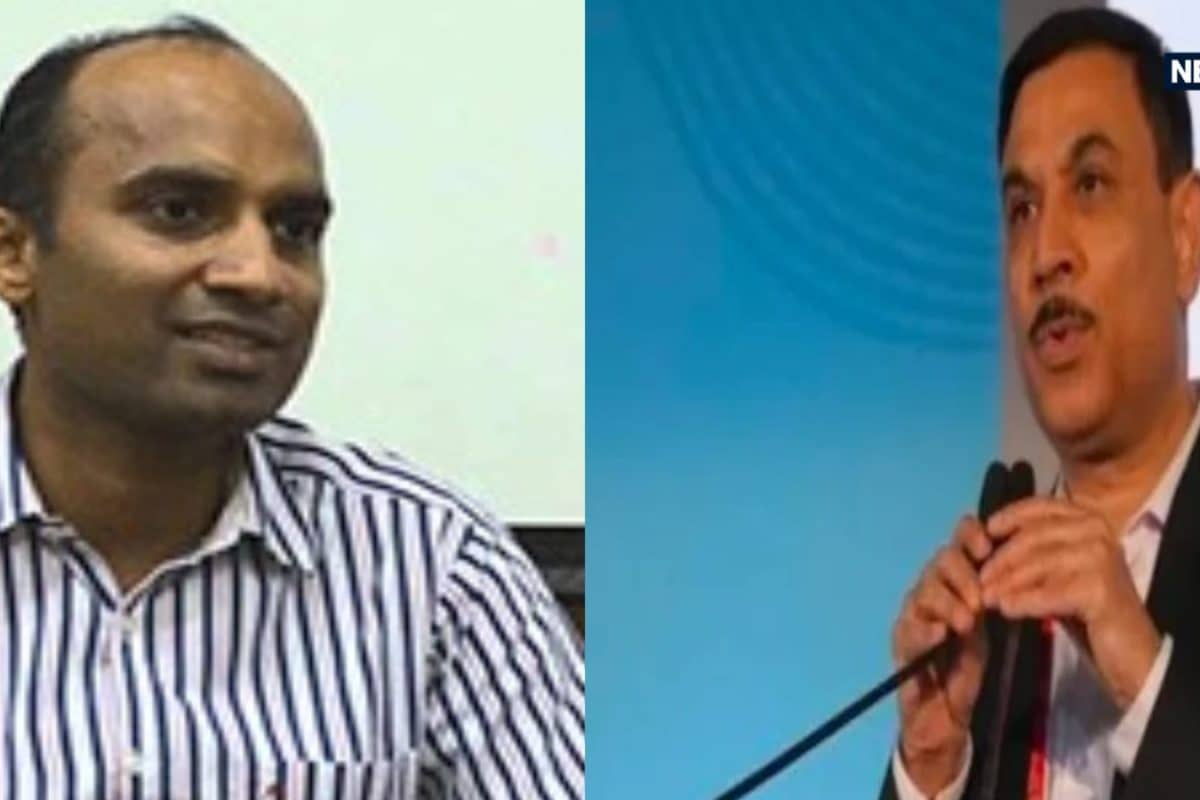
In a significant series of administrative developments reflecting the governance stance of the current administration in Rajasthan, the state government has placed seven high-ranking Indian Administrative Service officers under 'Awaiting Posting Orders' (APO) status over a span of approximately thirty months. This rigorous disciplinary approach highlights the ongoing scrutiny within the top echelons of the state bureaucracy, aiming to uphold administrative discipline, accountability, and prompt execution of official duties across various departments and regional postings.
The contextual backdrop of these disciplinary measures reveals a pattern of specific administrative grievances and alleged protocol breaches that prompted the state leadership to take decisive actions. Throughout the roughly thirty-month tenure of the Bhajanlal government, the governance framework has faced distinct challenges regarding the conduct and regulatory compliance of senior civil servants. The administration's unwavering stance on maintaining institutional integrity has brought the functioning of several key offices under intense public and governmental microscope, resulting in these severe administrative interventions.
Examining the specific cases involved in this administrative restructuring, the total count of senior bureaucrats affected stands notably at seven prominent individuals, namely Shikar Agarwal, Ambrish Kumar, Nalini Kathotia, Lalit Goyal, Hanumanmal Dhaka, Archana Singh, and Rajendra Vijay. Each of these cases encompasses distinct allegations ranging from operational negligence and unauthorized absences to severe financial and regulatory corruption charges, reflecting the diverse nature of administrative infractions addressed by the state authorities during this period.
While traditional administrative channels often rely on internal warnings or quiet transfers, the current government has faced direct representations from citizens, watchdogs, and political observers demanding transparent accountability. Stakeholders across the civil service spectrum have expressed mixed reactions to these stringent measures, with supporters praising the decisive leadership against perceived official misconduct, while internal critics debate the long-term impact on departmental morale and continuity of major infrastructural and welfare projects.
The administrative shockwaves of these rigorous actions extend to regional districts such as Dudu, where former administrative heads faced severe consequences for alleged malpractices, directly impacting local governance continuity. The residents and local administrative machinery in these peripheral areas experienced immediate disruptions and subsequent adjustments as temporary or permanent replacements stepped in to restore public service delivery, streamline local administration, and address pending public grievances.
In response to these unfolding administrative challenges, senior oversight bodies and state secretariats have tightened monitoring mechanisms to prevent recurrence of such protocol violations. Enhanced verification protocols for foreign travel, stricter attendance audits during surprise office inspections, and transparent grievance redressal mechanisms are currently being reinforced to ensure that civil servants strictly adhere to service rules and maintain the highest standards of professional integrity.
Looking forward, the continued implementation of strict regulatory frameworks and the potential return to active duty or subsequent inquiries for the affected officers will shape the future trajectory of Rajasthan's civil administration. Public expectations remain high for transparent, corruption-free governance, compelling the state authorities to maintain a vigilant approach toward bureaucratic performance, accountability, and the uncompromised execution of public welfare mandates.
