
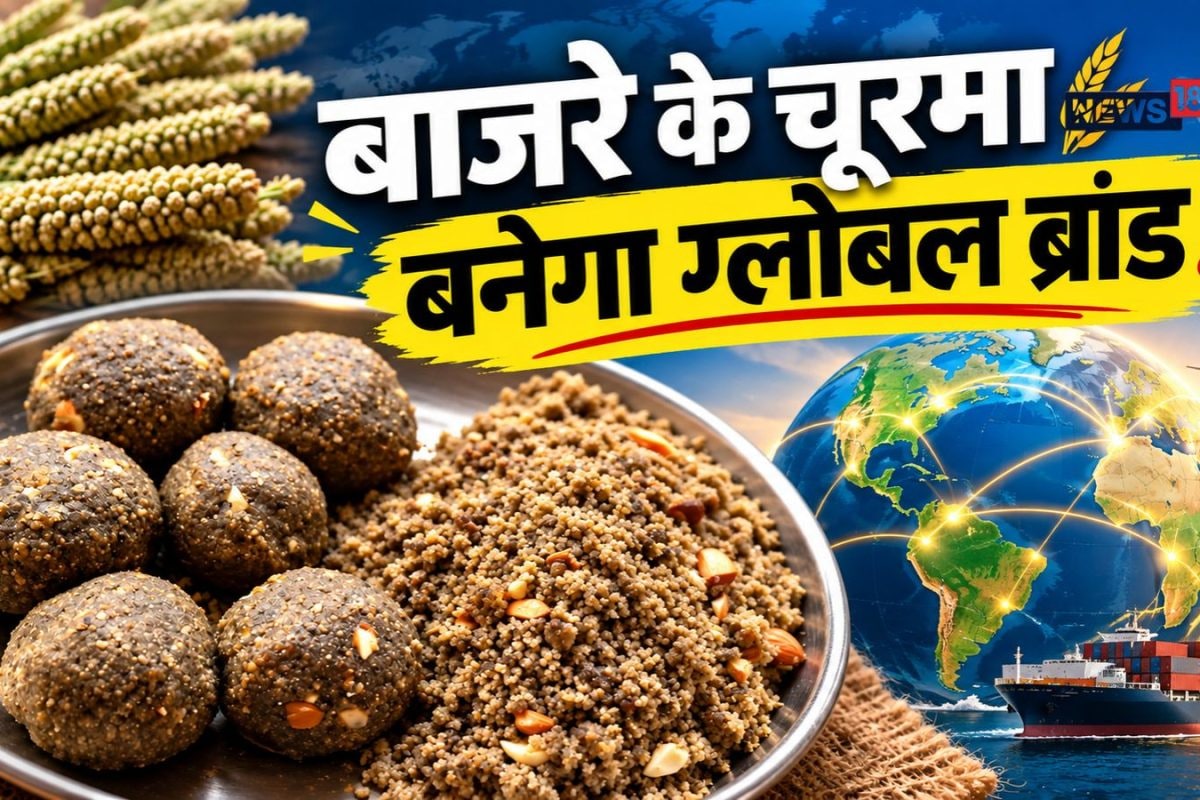
In a significant development for the culinary heritage of Rajasthan, the traditional delicacy of Sikar known as Bajra Churma is all set to conquer the international platform. As confirmed by official updates on October 30, 2026, the central government has officially selected this iconic preparation under the prestigious 'One District One Product' (ODOP) scheme. This decisive inclusion marks a major turning point for indigenous food processing and regional promotion across the Shekhawati belt, ensuring that ancient recipes receive contemporary economic backing.
Historically, Bajra Churma has remained deeply rooted in the agrarian traditions and daily sustenance of rural Rajasthan. Prepared primarily from nutrient-rich pearl millet combined with indigenous dairy products and unrefined sweeteners, this dish was traditionally crafted to provide sustained physical energy during harsh climatic conditions. Over generations, the recipe evolved from a household dietary staple into a revered symbol of regional hospitality and cultural identity, served prominently during weddings, festivals, and community gatherings across Sikar and surrounding districts.
Delving into the ground details reported by the Kotputli Bureau, this administrative recognition brings forth meticulously recorded ground realities and logistical frameworks aimed at scaling production. The initiative involves comprehensive standardisation of preparation methods, packaging enhancements, and supply chain integration to meet global export standards. Financial allocations and infrastructural support are currently being aligned to empower local artisans, small-scale millers, and traditional culinary experts who maintain the authenticity of the product.
Local stakeholders, traders, and community representatives have actively engaged with authorities to discuss the implementation of these measures. Local representatives highlighted ongoing ground realities during recent consultations, noting that while traditional methods preserve the authentic taste, modern hygiene certification and vacuum-packaging technologies are vital for international distribution. Traders expressed optimism that the global branding campaign will substantially elevate demand, thereby augmenting household incomes and generating new employment opportunities within the agro-processing sector.
The regional impact of this policy decision is expected to resonate profoundly across the Kotputli-Behror district and the broader Shekhawati region. By linking traditional rural gastronomy with international tourism circuits, the initiative creates a symbiotic relationship between cultural preservation and economic growth. Domestic and international visitors exploring Rajasthan will now encounter certified, branded Bajra Churma at key transit points, heritage hotels, and cultural festivals, thereby transforming a localized dietary tradition into a thriving commercial enterprise.
Administrative response from state and district authorities has been proactive, focusing on statutory oversight, quality assurance, and promotional campaigns. Committees comprising food safety officers, agricultural experts, and marketing specialists have been constituted to oversee the seamless transition of Bajra Churma from local markets to global export hubs. Government guidelines mandate strict adherence to nutritional labeling and purity standards to maintain consumer trust in international markets.
Looking toward the forward outlook, the strategic roadmap outlines a phased rollout extending through the upcoming quarters. Upcoming procedures include participation in international food expos, digital marketing campaigns, and capacity-building workshops for local producers. Public expectations remain remarkably high as the community anticipates that the distinctive aroma and health benefits of Shekhawati's Bajra Churma will successfully capture global culinary markets, cementing Rajasthan's rich heritage on the world map.
