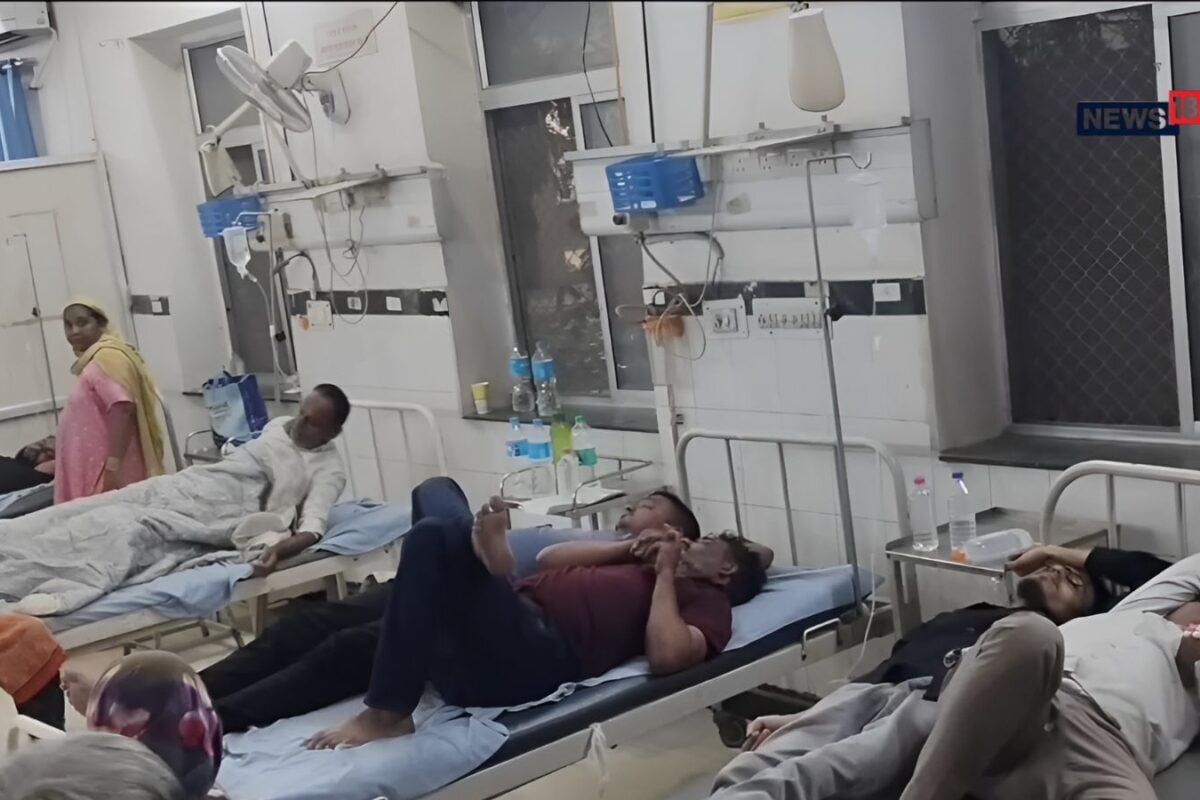
In a major health emergency that has deeply alarmed residents, more than 250 people fell seriously ill due to severe food poisoning following a communal feast organized for Gyarahwan Sharif in Pali. The large-scale religious feast, which witnessed the participation of over 1000 people, turned into a medical crisis as attendees began exhibiting acute symptoms of foodborne illness late into the night, raising serious concerns regarding food preparation hygiene and public catering safety standards within the region.
The religious gathering was held in the bustling Pyara Chowk area of Pali, a location historically known for community feasts and social harmony. However, the celebrations took a tragic turn as the night progressed, highlighting the vulnerabilities associated with mass catering events where large quantities of food are prepared without adequate regulatory supervision, temperature control, or rigorous health inspections, ultimately compromising the well-being of hundreds of unsuspecting citizens.
As the clock struck midnight, the gravity of the situation became apparent when a massive influx of patients flooded the medical facilities complaining of severe vomiting, stomach cramps, and continuous diarrhea. Hospital authorities confirmed that over 250 affected individuals required urgent medical hospitalization at the primary healthcare center, creating an unprecedented logistical challenge for the medical staff on duty who struggled to cope with the sudden surge of patients.
The sheer volume of critical patients severely strained the infrastructure of Bangad Hospital, leading to an extraordinary and distressing situation where medical staff were compelled to accommodate up to three patients on a single bed. Family members and attendants expressed deep anguish over the overwhelmed medical infrastructure, pointing toward the urgent need for emergency preparedness and upgraded healthcare facilities capable of handling sudden mass casualties and outbreaks in the district.
The health emergency has triggered wider discussions regarding food safety regulations and public health protocols across the region, echoing similar concerns in neighboring administrative zones such as Kotputli-Behror. Local communities and consumer rights advocates have intensified demands for stricter licensing, mandatory health clearances, and routine inspections for all large-scale public feasts, community kitchens, and religious gatherings to prevent preventable tragedies of this magnitude.
In response to the escalating crisis, senior administrative officials and prominent public representatives rushed to Bangad Hospital during the dead of night to personally oversee rescue and treatment operations. These leaders held emergency consultations with medical superintendents to ensure that adequate supplies of intravenous fluids, essential medicines, and specialized personnel were immediately mobilized to treat the incoming victims and stabilize the critical cases.
Simultaneously, a specialized food safety team initiated a comprehensive investigation by collecting leftover food samples from the site of the feast in Pyara Chowk for rigorous laboratory testing. Authorities have assured the public that strict legal and administrative action will be initiated against any organizers, caterers, or suppliers found guilty of negligence, while monitoring the ongoing recovery of all hospitalized patients closely.