
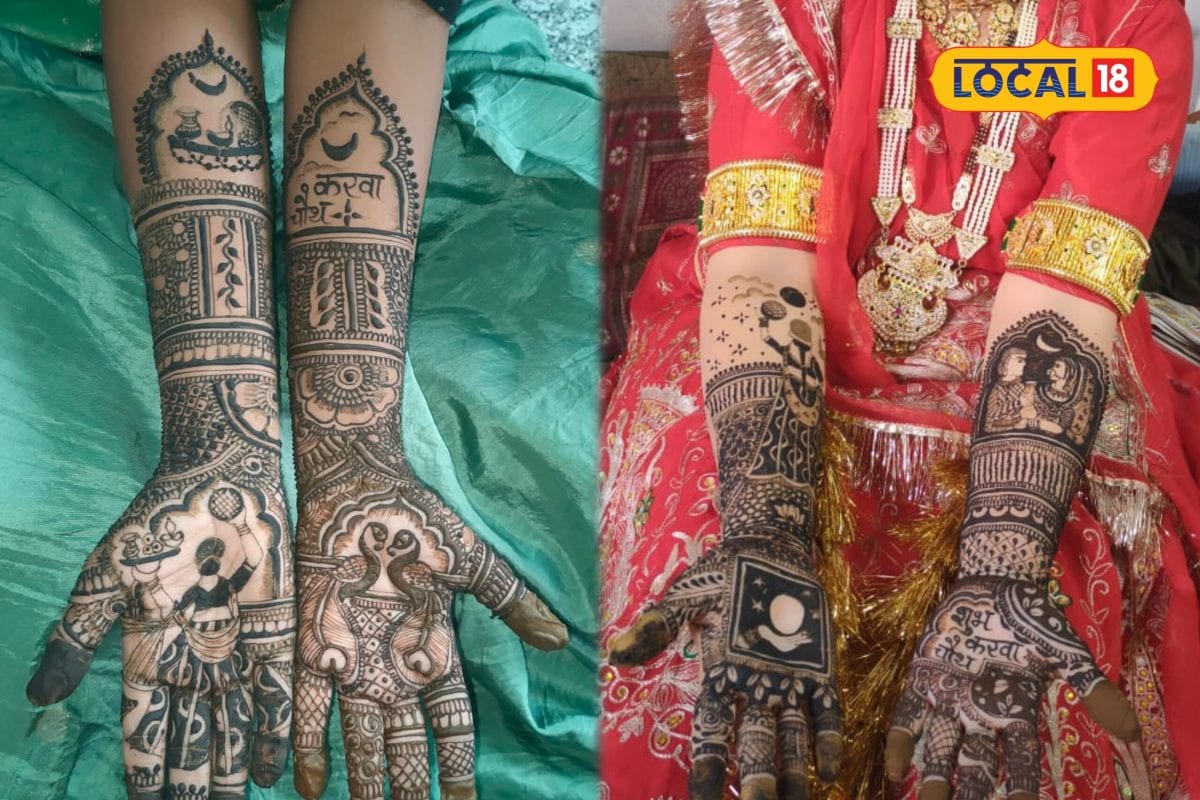
As the auspicious festival of Karwa Chauth 2026 approaches, households and markets are witnessing a vibrant surge in traditional preparations. Women across various communities are eagerly planning their festive attire, rituals, and most importantly, the intricate art of applying henna on their hands. This year, the focus has shifted toward blending timeless cultural motifs with modern aesthetic finesse to create stunning visual expressions.
The tradition of applying henna during sacred fasts carries profound cultural and historical significance in Indian heritage. Historically, henna symbolism represents deep affection, marital prosperity, and positive energy within households. Over generations, this domestic art form has evolved from simple circular patterns into highly sophisticated canvases that narrate stories of devotion, romance, and familial harmony.
Artisans and beauty experts have meticulously curated a selection of eight distinct patterns that define the festive aesthetics for Karwa Chauth 2026. Among these, the traditional moon and sieve motif remains an eternal favorite, symbolizing the very essence of the evening ritual. Additionally, the karwa and thali design captures the ritualistic objects associated with the prayer ceremony, bringing authenticity and sacred depth to the artwork.
Local beauty parlors, freelance henna artists, and homemakers have shared optimistic perspectives regarding the growing popularity of these specific styles. Many practitioners emphasize that while elaborate patterns require professional expertise, several designs are thoughtfully structured to allow women to apply them effortlessly at home with minimal time and effort. This accessibility ensures that every participant can embrace the festive spirit without undue physical strain.
Within local communities and markets, the seasonal surge in henna application drives significant micro-economic activity. Small-scale vendors, cosmetic stalls, and local artisans experience heightened commercial engagement during this period. The cultural resonance of these artistic traditions strengthens community bonds, as women gather in neighborhoods to celebrate the collective festivities and share traditional songs and customs.
While community celebrations remain largely self-regulated, local traders and market associations often coordinate to ensure smooth logistics and adequate availability of essential cosmetic supplies. Civic bodies and local authorities maintain vigilance in commercial hubs to manage the festive crowds and ensure orderly pedestrian movement, allowing families to partake in evening market visits safely and comfortably.
Looking ahead, the anticipation surrounding Karwa Chauth 2026 continues to build as families finalize their ritualistic schedules and preparations. The enduring popularity of these eight distinct mehndi designs highlights a cultural commitment to preserving heritage while adapting to contemporary convenience. As households prepare for the evening sighting of the moon, these artistic expressions will undoubtedly illuminate the festive celebrations.
