
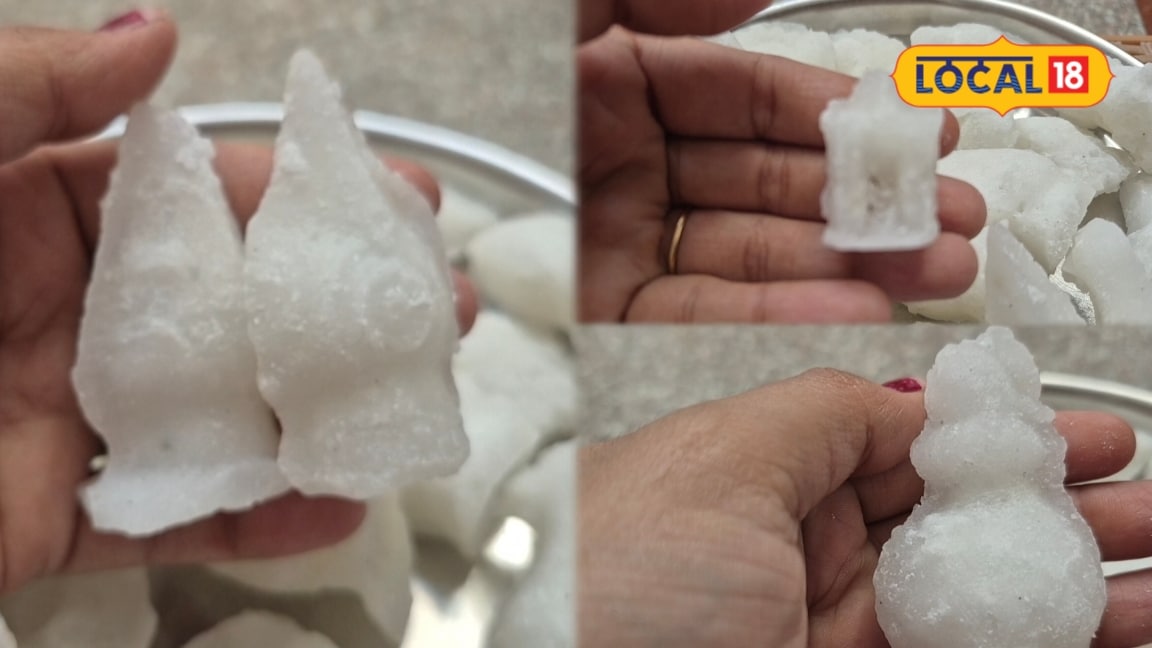
As the auspicious festival of Diwali 2026 approaches, the markets of Jalore are witnessing a vibrant display of traditional heritage through confectionery. Confectioners and artisans are actively preparing and showcasing sugar-based sweets moulded into distinct traditional motifs such as palaces, locally known as mahal malia, alongside elephants, urns, and lamps. These intricate creations have become a central element of the seasonal marketplace, drawing buyers who seek to uphold time-honoured customs during their annual festivities.
The creation of these specialized sugar products is deeply rooted in regional culinary history and generational craftsmanship. Long before modern mass-produced candies dominated retail spaces, local sugar artisans perfected the art of boiling sugar syrups to precise consistencies and pouring them into specialized moulds. These geometric and figurative representations of majestic animals, royal structures, and sacred vessels carry profound symbolic values that have been passed down through decades within trading families in the region.
Market observations indicate a steady and robust movement of goods as households prepare for the upcoming festival. Families purchasing items for their annual observances consistently seek out these traditional sugar forms. While commercial confectionery has expanded significantly, the traditional market for sugar shapes maintains a dedicated consumer base. The financial stakes for small-scale local sugar refiners and seasonal vendors depend heavily on this short festive window, where these specific items form a core component of their annual revenue.
Local traders and community members emphasize that these offerings are much more than mere commercial commodities. Elders and regular patrons note that the inclusion of shaped sugar items in domestic rituals reinforces cultural continuity. Merchants point out that despite changing modern preferences, the demand for traditional sugar palaces and animal figures remains resilient because they are viewed as indispensable elements for creating the authentic atmosphere required for festive prayers.
The cultural resonance of these festive preparations extends its influence throughout the broader community and regional economy. Small workshops and temporary production units set up ahead of the festival provide seasonal livelihood opportunities for skilled local laborers. The economic activity generated by the trade of these traditional items supports a network of small suppliers, transporters, and retail vendors operating within the district during the peak celebration period.
Administrative oversight during this high-demand festive period focuses primarily on maintaining food safety standards and fair trade practices. Local municipal authorities and food safety inspectors routinely monitor production units to ensure that the sugar used in these confections meets hygiene standards. Collaborative efforts between trade associations and local bodies are designed to prevent adulteration and ensure that consumers receive pure and safe products for their religious observances.
Looking forward, community leaders and cultural preservationists express confidence in the enduring appeal of these traditional customs. As preparations for Diwali 2026 reach their peak, the continued production and purchase of sugar elephants, urns, and palace shapes demonstrate a strong collective desire to maintain ancestral traditions. Stakeholders anticipate that this distinct local practice will continue to thrive in future festive seasons, bridging historical heritage with contemporary celebrations.
