
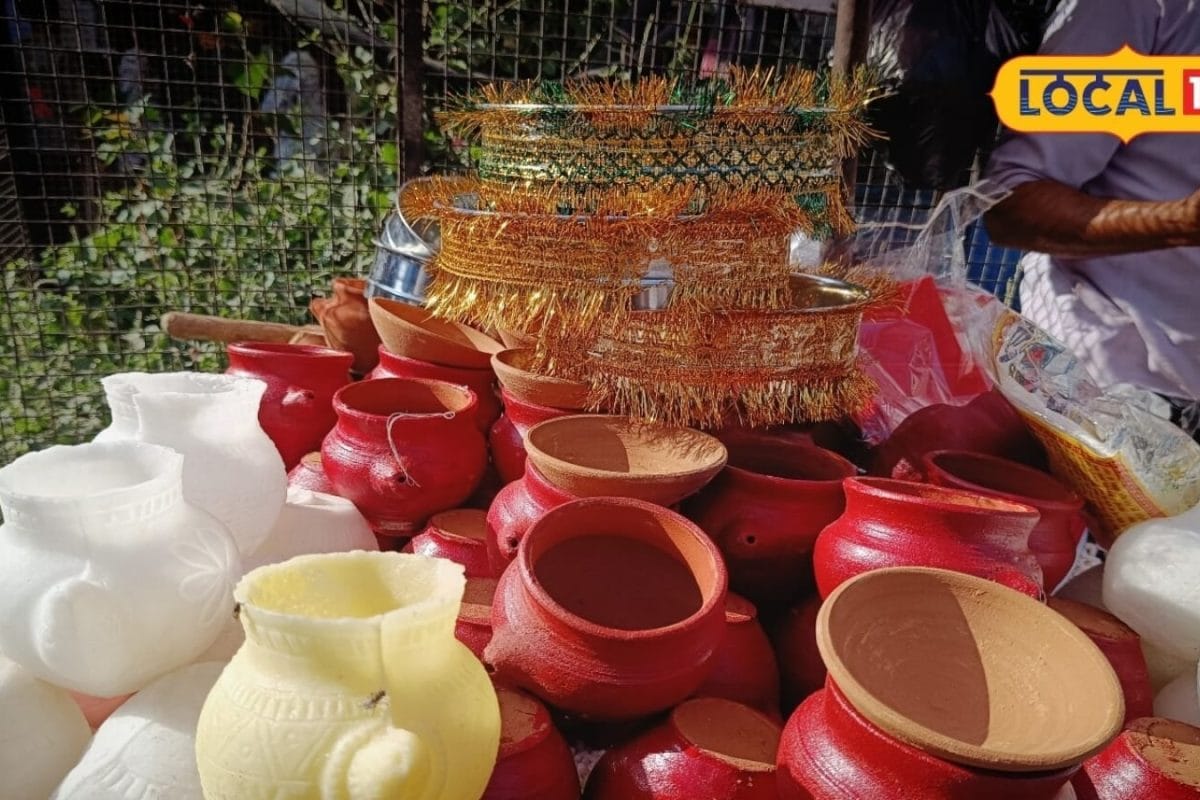
The sacred festival of Karwa Chauth 2026 symbolizes profound love, unwavering trust, and mutual dedication between married couples. Traditionally, this auspicious day witnesses millions of women observing a rigorous, day-long fast dedicated to praying for the longevity, prosperity, and well-being of their husbands, thereby ensuring a joyous and harmonious married life.
Delving into the historical and cultural origins of the occasion, religious traditions have consistently linked the observance of Karwa Chauth to the concept of eternal fortune and marital bliss. For generations, the societal framework positioned this ritual primarily as a feminine endeavor, deeply embedded in the cultural fabric of northern and western regions of the country, reflecting devotion and selflessness.
Examining the ground realities and modern interpretations of contemporary rituals, social dynamics within households have evolved significantly. While traditional guidelines never strictly forbade male participation, the active involvement of husbands in the fasting ritual has historically been rare and largely dependent on personal family customs rather than mandatory religious dictates.
Addressing the shifting paradigm, renowned Jaipur astrologer Dr. Deepti Sharma has shed significant light on contemporary practices. According to Dr. Deepti Sharma, husbands are entirely permitted to keep the Karwa Chauth fast to express their deep love, profound gratitude, and utmost respect toward their wives, reinforcing the foundation of an egalitarian relationship.
Analyzing the regional impact and application, particularly among newly married couples, observing the fast together has increasingly emerged as a powerful medium to foster deeper mutual understanding, emotional bonding, and shared empathy. Couples in various urban and semi-urban communities are gradually adopting joint observances to symbolize shared responsibilities in marital life.
Regarding the administrative and religious framework governing this practice, spiritual authorities clarify that fasting by husbands is entirely voluntary. It does not carry any mandatory scriptural obligation, meaning that the decision to participate rests completely on individual faith, personal inclination, and mutual understanding between the partners.
Looking forward toward the public expectations and the evolving cultural outlook as the 2026 festival approaches, societal acceptance of joint fasting continues to grow. Experts suggest that such progressive interpretations strengthen modern marital bonds without undermining the sanctity of ancient traditions, offering couples a flexible path to celebrate their commitment.
