
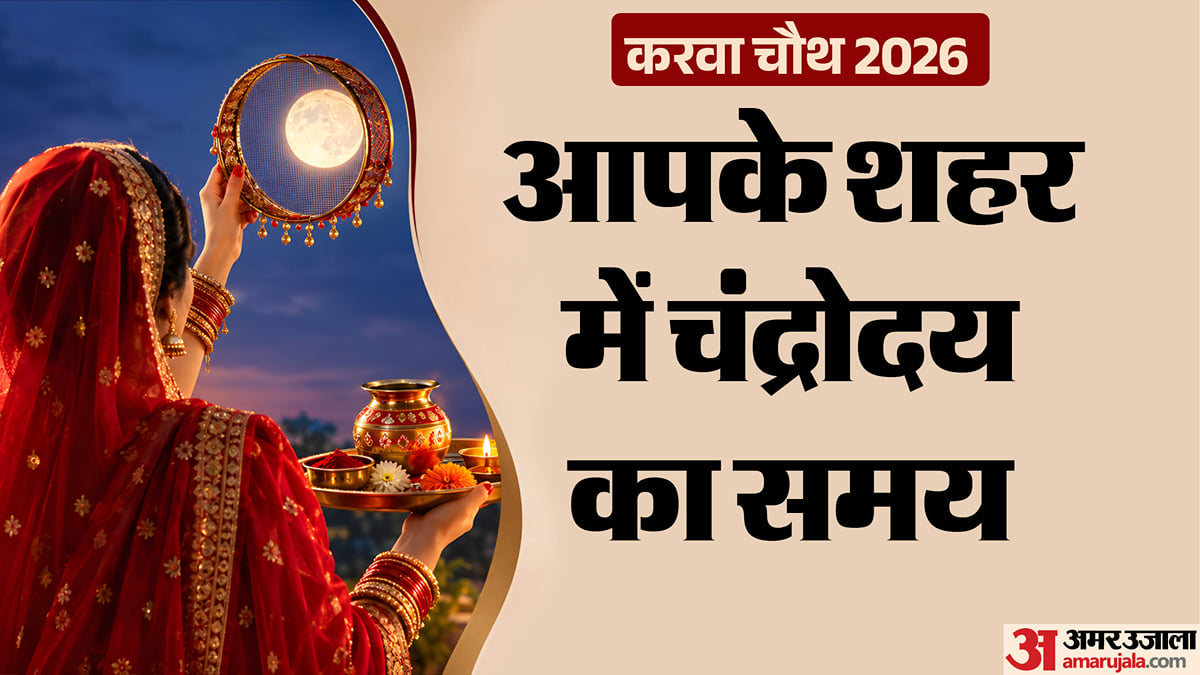
In the vibrant expanse of Rajasthan, preparations and cultural enthusiasm are scaling new heights as citizens approach the auspicious occasion of Karwa Chauth 2026. Married women across the state observe a strict, day-long fast dedicated to marital longevity, devotion, and family well-being. The central highlight of this traditional festival remains the sighting of the moon, which dictates the precise moment when the rigorous fast can finally be concluded with due reverence and traditional ceremonies.
The historical and cultural roots of Karwa Chauth run deep within the social fabric of northern and western India, with Rajasthan holding a particularly picturesque observance. Traditionally, women gather in community courtyards or decorated household terraces, adorned in traditional attire, to share folk tales, perform prayers, and await the nocturnal ascension of the moon. The geographical expanse of the state, stretching from the eastern capital of Jaipur to the expansive western stretches of Jaisalmer, means that celestial timings vary noticeably across different districts.
Examining the ground reality during this festive period reveals a significant surge in local commerce, community gatherings, and familial preparations throughout Rajasthan. Local markets in urban centers like Jaipur and remote western posts such as Jaisalmer witness bustling economic activity as citizens procure festive goods, traditional garments, and specialized ritual items. While specific numerical statistics regarding economic turnover fluctuate annually, the cultural significance generates robust commercial participation across all socio-economic strata in the region.
Community leaders, elders, and cultural custodians emphasize that the observance of Karwa Chauth serves as a profound bonding ritual for families and neighborhood networks alike. Citizens across Rajasthan express immense dedication toward upholding these age-old customs despite modern lifestyle challenges. Neighborhood elders often recount traditional narratives that reinforce the values of resilience, devotion, and mutual respect within matrimonial partnerships, passing down these generational teachings to younger family members.
Focusing on the regional impact within districts such as Kotputli-Behror and neighboring areas, the local community experiences a harmonious blend of traditional devotion and contemporary celebrations. Small businesses, local artisans, and domestic traders report a favorable commercial environment as families engage in festive shopping. The local administration and community organizations often facilitate peaceful gatherings, ensuring that public spaces remain organized and accessible for evening celebrations and community prayers.
Administrative bodies and local authorities maintain standard oversight to ensure public safety, traffic management, and smooth civic operations during major festive occasions across Rajasthan. While Karwa Chauth is primarily a private and familial observance, municipal services ensure adequate lighting, clean public areas, and orderly movement in busy commercial marketplaces where citizens congregate in large numbers to purchase festive necessities.
Looking forward toward the culmination of the Karwa Chauth 2026 festivities, households across Jaipur, Jaisalmer, and the rest of Rajasthan remain fully prepared to welcome the moonlit night. As families finalize their ritual arrangements and await the exact city-wise moonrise schedules, the festival continues to reinforce cultural unity, familial affection, and traditional heritage throughout the geographical expanse of the state.
