
Today, on October 29, 2026, the sacred festival of Karwa Chauth is being celebrated with profound devotion, traditional fervor, and immense enthusiasm across Rajasthan, aligning with nationwide festivities. Married women across the state have observed a strict, day-long nirjala fast, abstaining from both food and water, to pray for the longevity, robust health, and unbroken prosperity of their husbands. The atmosphere in various households is charged with spiritual devotion as preparations for evening rituals reach their final stages.
Rooted deeply in rich cultural heritage and ancient traditions, Karwa Chauth represents the enduring bond of matrimony and unwavering commitment between spouses. Historically observed primarily in northern and western parts of India, the festival has transcended geographical boundaries over generations to become a monumental cultural event. Women adorn themselves in traditional bridal attire, apply intricate henna patterns, and gather in communities to perform collective evening prayers and listen to traditional folklore.
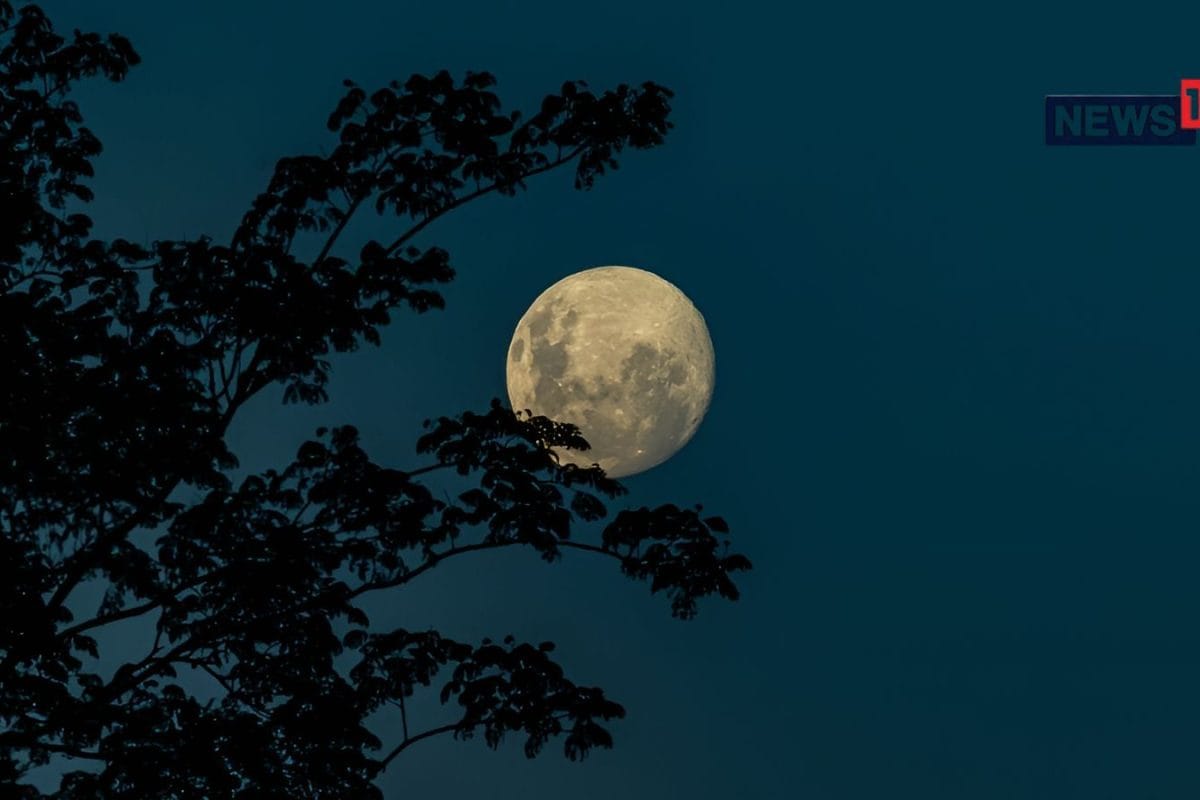
As the day progresses toward dusk, anticipation regarding the exact moment of moonrise intensifies significantly among fasting women and their families. Meteorological conditions and geographical variations dictate minor differences in moon visibility across the vast expanse of Rajasthan. Municipal and cultural centers report heightened community participation, with local markets witnessing bustling activity surrounding the purchase of traditional puja thalis, earthen pots, sieves, and festive sweets.
Elderly family members and community leaders play an instrumental role in guiding younger generations through the intricate rituals associated with the evening puja. Elders narrate the legendary tale of Queen Veervati, underscoring the spiritual significance and strict discipline required for observing the nirjala fast. Women actively share their traditional experiences, fostering a sense of solidarity, sisterhood, and communal harmony within neighborhoods across the state.
The cultural resonance of Karwa Chauth extends powerfully into regional communities, positively impacting local commerce, artisan livelihoods, and small-scale traders. Markets specializing in traditional garments, bangles, cosmetics, and confectionery experience a massive surge in economic activity leading up to the festival date. Local merchants report robust consumer footfall, reflecting the profound economic vitality generated by traditional cultural observances throughout the region.
Local administrative bodies and municipal authorities ensure that public spaces, temples, and community centers remain well-lit and secure to facilitate smooth movement during late evening celebrations. Traffic management near major temples and bustling commercial markets receives special attention from law enforcement to prevent congestion. Civic agencies coordinate closely with community organizers to maintain public order and cleanliness amidst large festive gatherings.
Looking forward, the culmination of the day's fasting rituals through the sighting of the moon marks a moment of joyous family bonding, breaking of fasts, and cultural celebration. As women offer arghya to the moon and seek blessings from their spouses and elders, the festival reinforces timeless values of love, devotion, and mutual respect within families. The proceedings of October 29, 2026, stand as a testament to the enduring continuity of cultural traditions across Rajasthan.
