
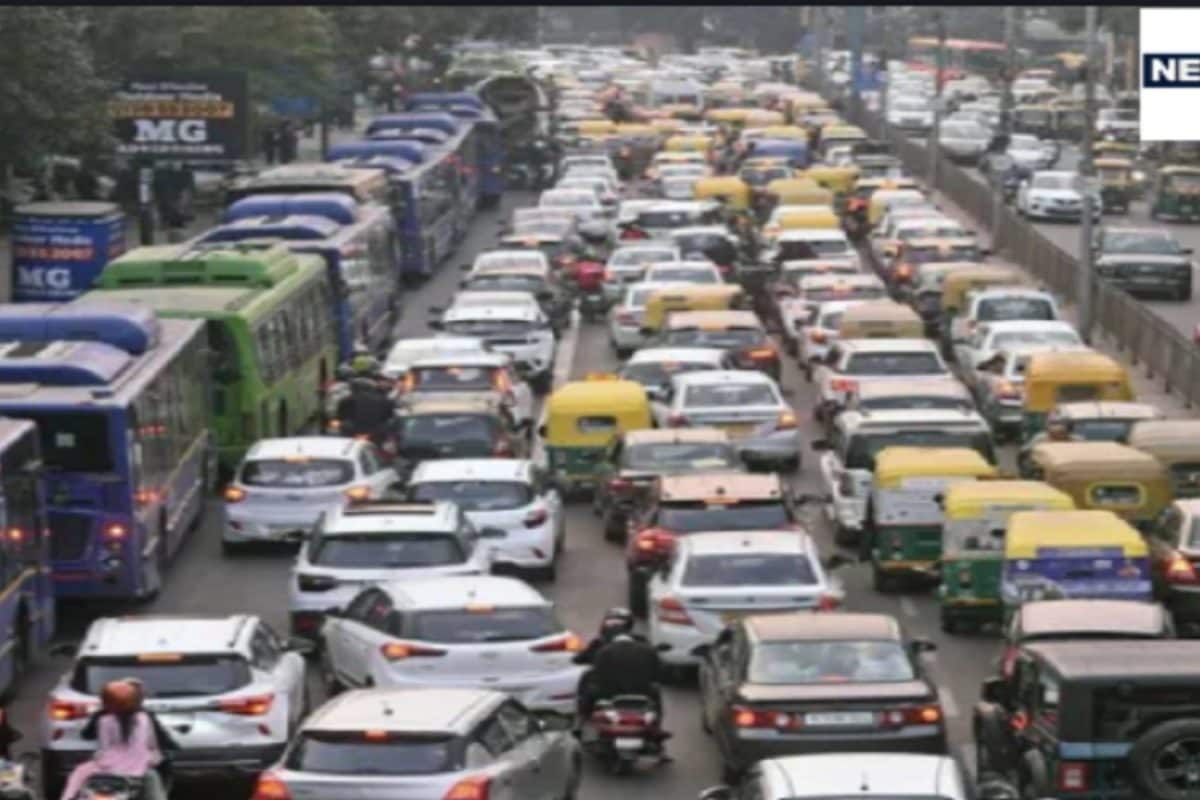
In a significant developmental push aimed at transforming urban mobility and mitigating perennial traffic congestion within the capital region, authorities in Jaipur have announced comprehensive plans to construct underpasses across three major intersections. This strategic infrastructure overhaul is designed to eliminate major bottlenecks, reduce commuting time, and ensure seamless vehicular transit across some of the city's busiest transit corridors.
The urban landscape of Jaipur has experienced exponential vehicular growth over the past decade, leading to unprecedented traffic bottlenecks at key junctions during peak operational hours. The conceptualization of these three underpasses stems from long-standing demands by commuters and transport experts seeking permanent engineering solutions to manage the rising volume of private and commercial vehicles navigating through the metropolitan area.
As part of this meticulously planned infrastructural initiative, execution has officially commenced on Ajmer Road, marking the physical realization of the project on the ground. Simultaneously, comprehensive topographical surveys, financial estimations, and logistical blueprints are being finalized for the remaining two critical locations, specifically Gopalpura Pulia and Raj Mahal Circle, to ensure timely execution without extensive public disruption.
Local commuters, daily office-goers, and regional transport associations have expressed cautious optimism regarding these ongoing and proposed civil works. Stakeholders note that while short-term diversion protocols might cause temporary inconveniences, the long-term economic dividends, reduced vehicular emissions, and enhanced road safety will profoundly benefit the broader urban populace and commercial transporters alike.
Although these infrastructural developments are geographically anchored within the municipal limits of Jaipur, the ripple effects of improved arterial connectivity extend positively toward regional transit networks, indirectly benefiting travellers and commercial freight carriers moving through adjacent districts including Kotputli-Behror. Smooth connectivity into the capital ensures that regional economic integration and supply chain efficiencies remain robust.
Municipal engineering departments and urban development authorities are maintaining stringent oversight of the ongoing execution phases. Comprehensive traffic management blueprints have been formulated in close coordination with law enforcement agencies to deploy alternative routes, deploy traffic personnel, and minimize public hardship while heavy machinery operates on major arterial stretches.
Looking ahead, municipal authorities remain committed to adhering to projected timelines to ensure that all three underpass projects reach successful completion without unwarranted delays. As civil engineering efforts progress on Ajmer Road and preparatory milestones advance for Gopalpura Pulia and Raj Mahal Circle, Jaipur stands on the threshold of a much more efficient, modern, and commuter-friendly urban transit ecosystem.
