
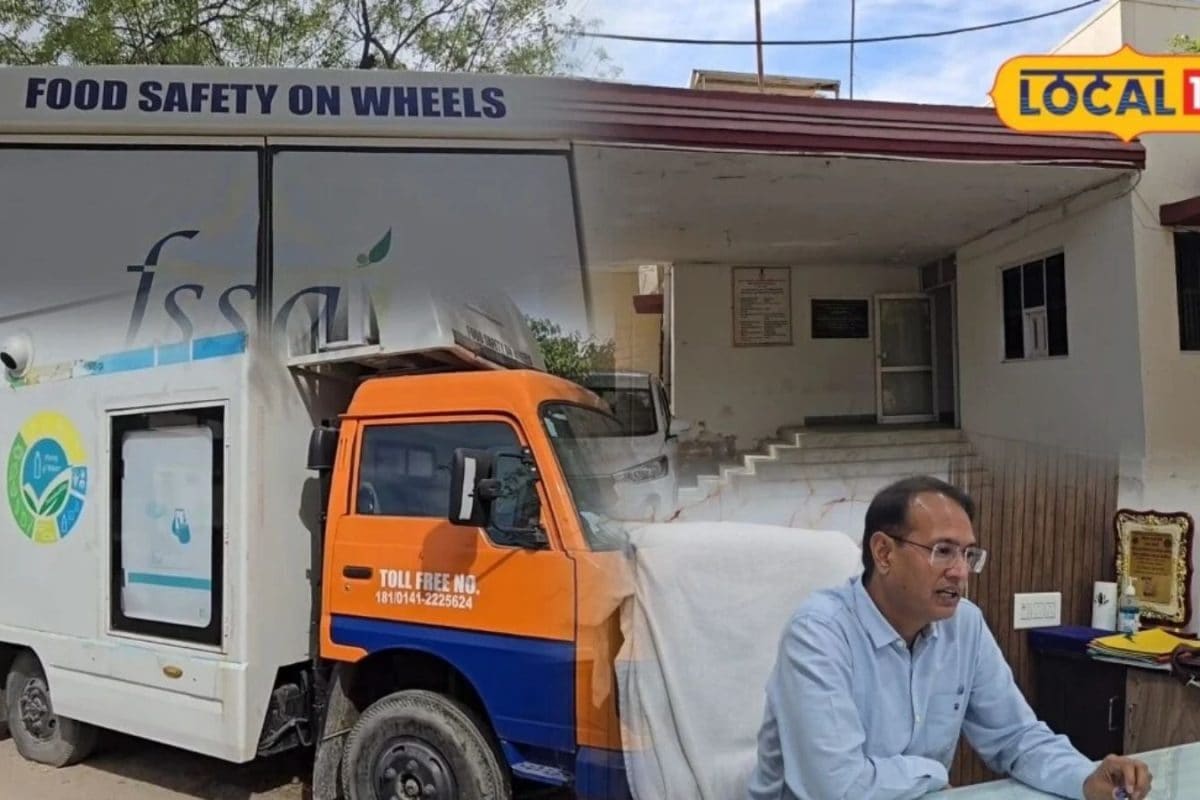
As festive celebrations approach, ensuring public health and safety has emerged as a paramount concern for administrative authorities, leading to stringent oversight across the region. In Pali, the health department has aggressively intensified its administrative and regulatory mechanisms to combat the persistent menace of food adulteration during the festive season. Through the concerted implementation of the 'Pure Food, War on Adulteration' campaign, the administration aims to safeguard citizens from consuming contaminated, expired, or substandard eatables that flood the markets during high-demand celebratory periods.
Food safety issues during large-scale celebrations historically pose severe public health challenges, primarily driven by unscrupulous elements attempting to maximize profit margins through illicit manufacturing and distribution practices. The festive rush often overwhelms routine monitoring frameworks, creating an environment where adulterated dairy products, sweets, and oils find their way into consumer households. Recognizing this structural vulnerability, regional health authorities have established comprehensive monitoring protocols to intercept adulterated items before they reach dining tables across the district.
At the center of this rigorous enforcement drive are quantifiable metrics that underscore the gravity of the ongoing situation in Pali. Chief Medical and Health Officer Vikas Marwal formally released data indicating that out of a substantial batch of 370 samples collected and examined by inspection teams, an alarming 92 samples were categorized as sub-standard quality, while 34 samples were conclusively identified as completely unsafe for human consumption. These specific numerical findings illustrate the widespread nature of the adulteration problem and validate the necessity for continuous, unannounced market inspections.
Administrative responses to these findings have involved immediate punitive and legal measures against errant establishments found violating established food safety standards. Chief Medical and Health Officer Vikas Marwal emphasized that absolutely no leniency would be tolerated toward individuals or commercial entities compromising public health for financial gains. The health department is systematically pursuing cases against all identified offenders, ensuring that formal penal proceedings serve as a strong deterrent against future violations within the local commercial ecosystem.
Beyond punitive measures, the administrative strategy incorporates significant technological interventions to facilitate decentralized testing and empower everyday citizens. A critical component of this grassroots outreach is the deployment of a mobile food testing laboratory across the district, which provides on-the-spot and completely free food testing facilities directly to the public. This accessibility enables residents to verify the purity of their daily provisions immediately, removing logistical barriers that traditionally hindered consumer-driven quality checks.
Furthermore, the health department has undertaken comprehensive educational initiatives to strengthen consumer awareness regarding their statutory rights and responsibilities. Citizens are being actively instructed to meticulously check expiration dates on all packaged commodities before purchase and to exercise their right to inspect the kitchen hygiene standards of hotels and restaurants. These empowerment drives foster a collaborative regulatory environment where consumers act as the first line of defense against food safety infractions.
Looking forward, the health department intends to maintain sustained surveillance throughout the festive period and beyond, ensuring that commercial accountability remains high. The combination of rigorous laboratory testing, mobile testing accessibility, strict legal penalties, and community awareness is expected to permanently elevate food safety standards in Pali. Authorities remain fully committed to eradicating dangerous adulteration practices and protecting the fundamental health rights of every citizen in the district.
