
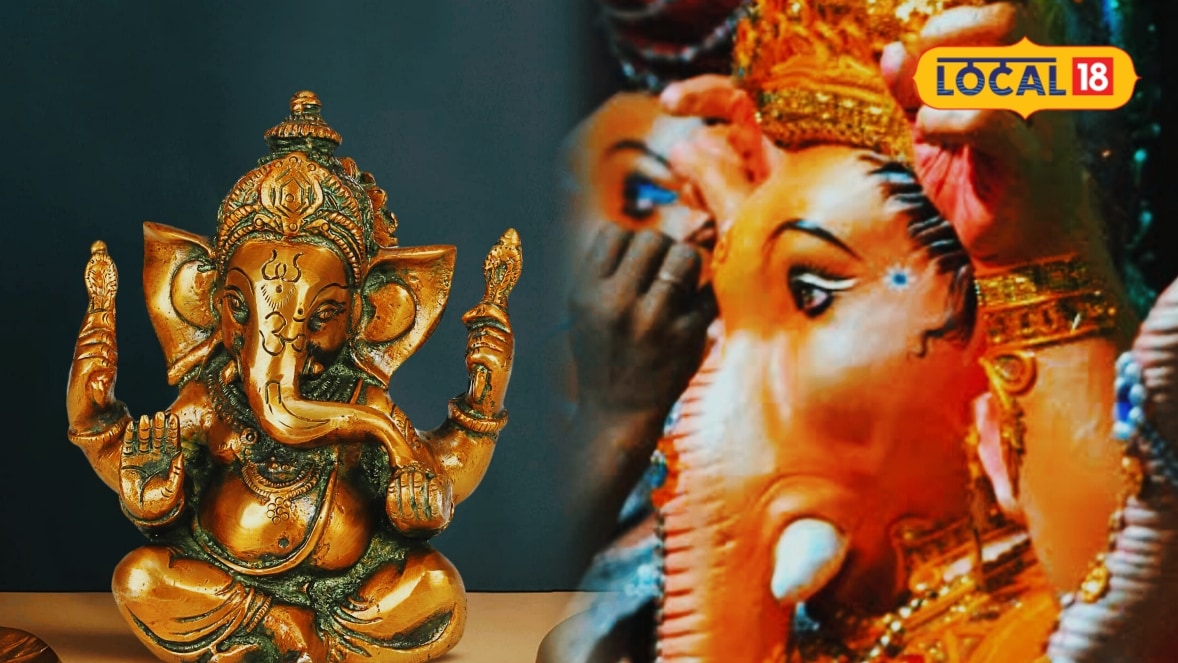
The tradition of installing Ganesh idols dates back centuries to ancient agrarian societies that sought divine protection for new ventures. Historically, the clay (mud) idol, known as "Shadu Ganpati," symbolised humility and the transient nature of material life, while later periods saw the emergence of metal idols as markers of wealth and artistic patronage. Over time, the practice spread from the coastal regions of Maharashtra to the far‑reaching plains of Rajasthan, adapting to local materials and aesthetic sensibilities while retaining the core belief in Ganesh’s role as the remover of obstacles.
In the present year, the logistical scale of the festival is evident in the bustling markets of Kotputli‑Behror district, where artisans and metalworkers prepare thousands of idols to meet demand. Local workshops report increased orders for brass and silver statues, while gold‑plated versions are reserved for affluent households and temples. The supply chain involves raw material procurement, mould creation, polishing and ritual consecration, creating a temporary surge in employment for craftsmen, transporters and vendors. Although precise figures are unavailable, the heightened activity is palpable in the district’s commercial corridors.
Community leaders, temple priests and shop owners share a common optimism about the festival’s impact. A senior priest in Kotputli explained that the installation ceremony, performed at an astrologically determined "muhurat," is believed to amplify the idol’s beneficence. Local traders note that the influx of visitors for the puja drives sales of sweets, flowers and decorative items, while artisans view the season as a vital source of income that sustains traditional craftsmanship. Residents express a sense of collective renewal, describing the ritual as both a spiritual safeguard and a cultural celebration.
The regional effect of Ganesh Chaturthi in Kotputli‑Behror extends beyond religious observance. The festival stimulates the district’s small‑scale manufacturing sector, especially the metal‑working and pottery clusters that produce the idols. Hospitality businesses anticipate higher occupancy, and street vendors prepare for increased foot traffic. Moreover, the communal gatherings foster social cohesion, providing a platform for inter‑generational dialogue and the reinforcement of local customs.
Municipal authorities have issued guidelines to ensure public safety and environmental protection during the festivities. The district administration recommends the use of biodegradable materials for idol bases, proper waste disposal after the immersion rituals, and adherence to fire‑safety norms in temporary puja halls. Officials have coordinated with local police to manage crowd control and traffic flow, aiming to prevent accidents and maintain order throughout the celebration period.
Looking ahead, the Kotputli‑Behror community expects the festival to conclude with the traditional immersion of the idols in nearby water bodies, following the prescribed auspicious timing. Organisers plan to conduct awareness campaigns on eco‑friendly practices, encouraging the adoption of clay idols and natural dyes. The collective anticipation is that the 2026 Ganesh Chaturthi will not only fulfil spiritual aspirations but also reinforce sustainable cultural practices for future generations.