
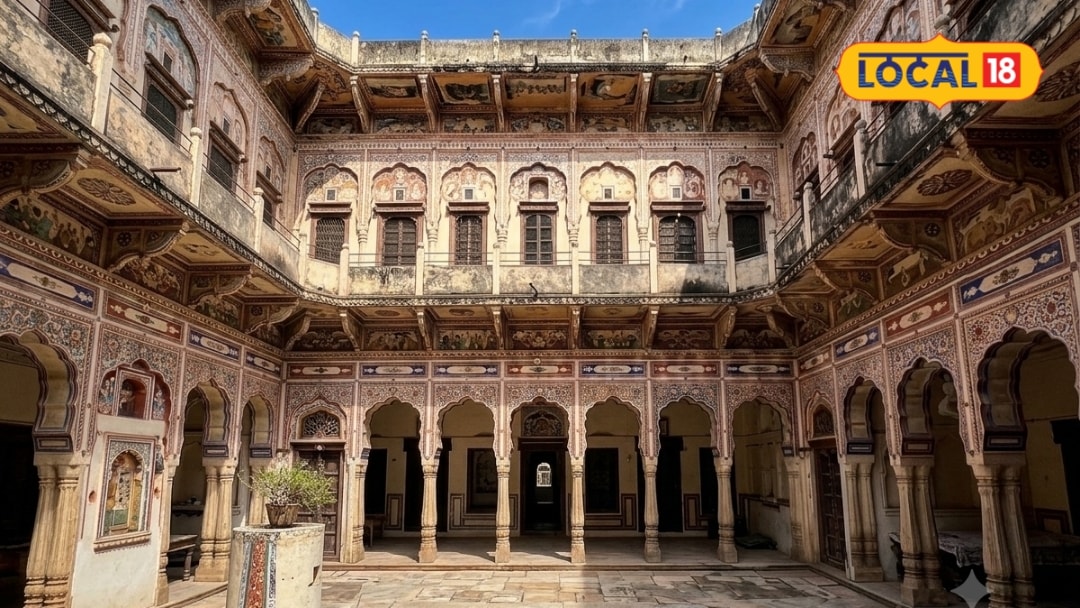
The historical and architectural grandeur of Rajasthan has received unprecedented international acclaim as the majestic mansions of the Shekhawati region secured an esteemed position on the tentative World Heritage list. This landmark development formally places the region, widely celebrated as an open art gallery, onto the global tourism map, promising a profound transformation in regional developmental trajectories. The inclusion encompasses carefully selected historical clusters that showcase exquisite fresco paintings, intricate architectural motifs, and a rich cultural legacy that has withstood the test of time.
Historically, the Shekhawati region, spanning across the districts of Sikar, Churu, and Jhunjhunu, developed into a prominent trading and cultural hub during the bygone era of wealthy merchants. These merchants constructed elaborate mansions, locally known as havelis, adorned with elaborate wall paintings depicting mythological tales, flora, fauna, and contemporary societal events. Over subsequent decades, socioeconomic shifts and rural-to-urban migration led to the gradual neglect and physical deterioration of many such structures, making systematic preservation an urgent necessity for cultural historians and heritage conservationists alike.
At the heart of the current preservation framework is a meticulous strategy targeting 14 major geographical zones within Sikar, Churu, and Jhunjhunu. Official administrative reports highlight a focused roadmap for the comprehensive conservation and structural stabilization of 660 prominent havelis across these districts. Alongside structural restoration, comprehensive master plans are underway to develop dedicated heritage streets, ensuring that vehicular congestion and modern encroachments do not compromise the authentic historical ambiance cherished by international and domestic art connoisseurs.
Local stakeholders, including heritage property owners, local trade associations, and regional tourism operators, have expressed immense optimism regarding this prestigious inclusion. Representatives from local business communities note that the formal international acknowledgment is expected to trigger a significant surge in cultural tourism, thereby catalyzing economic avenues, hospitality ventures, and artisanal employment. Artisans skilled in traditional restoration techniques, such as lime plastering and authentic fresco painting, anticipate renewed demand for their specialized craftsmanship.
The positive economic ripples of this heritage recognition are anticipated to extend far beyond immediate municipal borders, positively influencing adjacent commercial corridors including Kotputli-Behror and neighboring districts. As tourist footfall intensifies along primary arterial routes leading into the Shekhawati circuit, regional hospitality providers, transport operators, and local handicraft markets stand to benefit immensely from diversified commercial activities and enhanced infrastructural investments.
In response to the tentative heritage listing, regional administrative bodies and state heritage departments have ramped up collaborative oversight to formulate stringent conservation guidelines. Authorities are coordinating closely with architectural conservation experts to establish regulatory frameworks that prevent unauthorized modifications to protected zones. Special task forces are being envisioned to monitor structural integrity and provide technical assistance to private owners who struggle with the exorbitant costs associated with maintaining centuries-old heritage structures.
Looking ahead, the primary challenge for regional administrators and heritage custodians lies in successfully transitioning from a tentative list status to permanent World Heritage inscription. This rigorous journey will necessitate sustained community participation, uncompromising adherence to international conservation standards, and transparent allocation of developmental funds. As public expectations run high, the successful execution of these preservation blueprints will ultimately determine whether Shekhawati can sustainably balance modern tourism demands with the sacred duty of safeguarding its architectural masterpieces for future generations.