
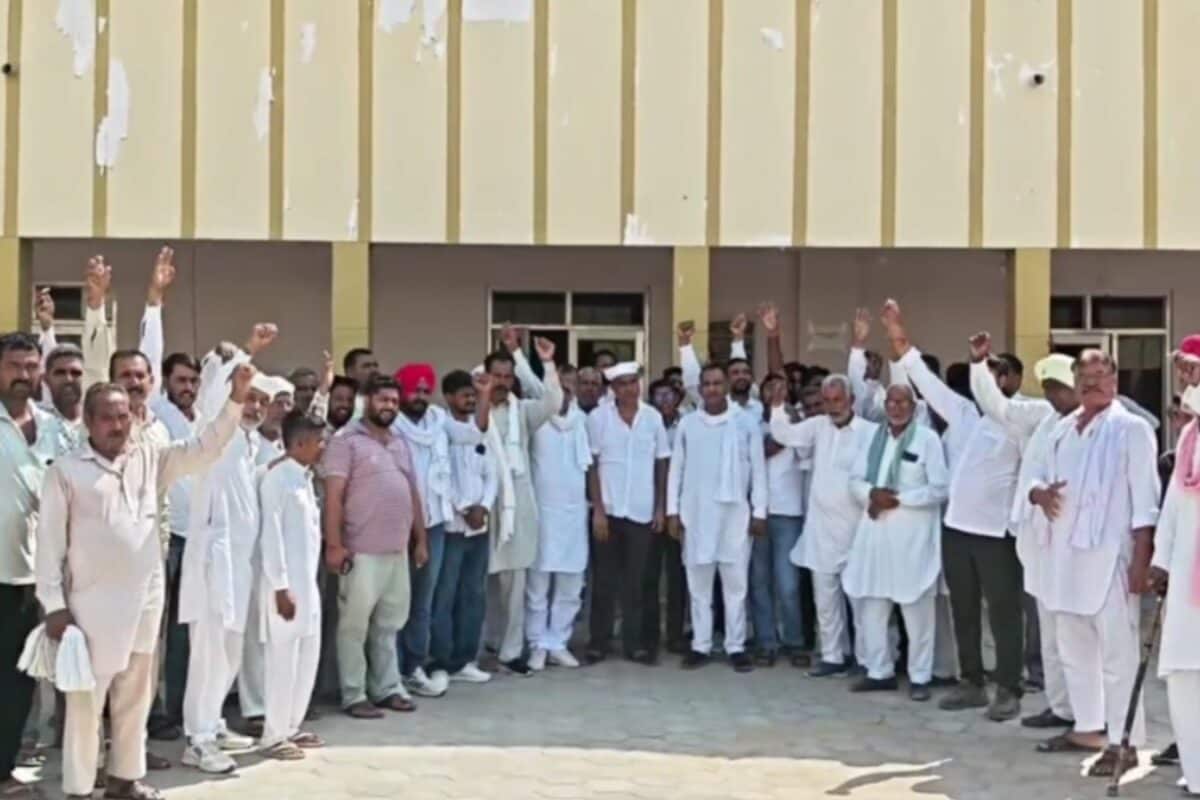
On 21 September, a coordinated mass demonstration is slated to take place in the village of Ghadrasana, as farmer organisations from the Khajuwala area mobilise to press the state government for the allocation of 58 percent of the region’s irrigation water. The rally, described by organisers as a “strength display”, follows a series of village‑to‑village outreach campaigns that have been underway since early August, aiming to consolidate support across the agricultural belt of northern Rajasthan.
The dispute over water in Khajuwala traces its roots to the early 2000s, when the construction of the Indira Gandhi Canal altered traditional flow patterns and left many marginal farms dependent on seasonal allocations. Over the past decade, recurring shortfalls in water delivery have prompted periodic protests, yet none have articulated a precise percentage demand until now. The current claim for 58 percent reflects a calculation by farmer collectives that this share would sustain the primary cropping cycles of wheat, mustard and cotton, which dominate the local agrarian landscape.
On the ground, the demand translates into tangible financial stakes. Farmers estimate that a shortfall of even 10 percent in water supply can reduce wheat yields by up to 15 percent, translating into losses of several lakh rupees per household. The irrigation network in the Khajuwala block comprises a series of distributary canals that, according to the district water authority, currently operate at roughly 40 percent of their designed capacity during the peak season. The 58 percent demand therefore represents an increase of nearly half of the existing flow, a figure that officials acknowledge would require substantial operational adjustments and possibly the activation of additional lift‑irrigation schemes.
Stakeholder perspectives converge on the urgency of the issue while diverging on the means of resolution. Farmer leaders argue that the water shortfall jeopardises food security and threatens the livelihood of an estimated 30,000 families in the surrounding villages. The state water department, meanwhile, stresses the constraints imposed by limited reservoir levels and competing demands from urban centres downstream. Non‑governmental organisations focused on sustainable agriculture have called for a mediated dialogue, warning that an escalation could exacerbate soil salinity and further degrade the fragile desert ecosystem.
The ripple effects of the protest extend beyond the immediate farming community to the broader Kotputli‑Behror district. Agricultural produce from Khajuwala supplies markets in Kotputli, where wholesale traders rely on a steady flow of wheat and mustard to meet regional demand. A disruption in harvests could lead to price volatility, affecting both urban consumers and rural vendors. Moreover, ancillary services such as transport, agro‑chemical dealers and rural credit institutions stand to lose revenue if the protest hampers the normal rhythm of agricultural activity.
In response, the district administration has issued a statement affirming its commitment to “address legitimate farmer concerns while safeguarding the equitable distribution of water resources”. The collector of Kotputli‑Behror has announced the formation of an expert committee comprising engineers, agronomists and farmer representatives, tasked with reviewing canal discharge data and proposing a revised allocation schedule within the next fortnight. Simultaneously, the water department has pledged to increase monitoring of canal flows and to expedite pending maintenance works that have been identified as bottlenecks.
Looking ahead, the success of the Ghadrasana demonstration will likely hinge on the speed and transparency of the committee’s recommendations. Farmers have indicated that they will reconvene on 28 September to assess the government’s response, with a contingency plan to expand the protest to adjacent blocks if the 58 percent target remains unmet. Observers predict that the outcome could set a precedent for water‑rights negotiations across Rajasthan, potentially influencing policy reforms aimed at more resilient irrigation management in arid regions.