
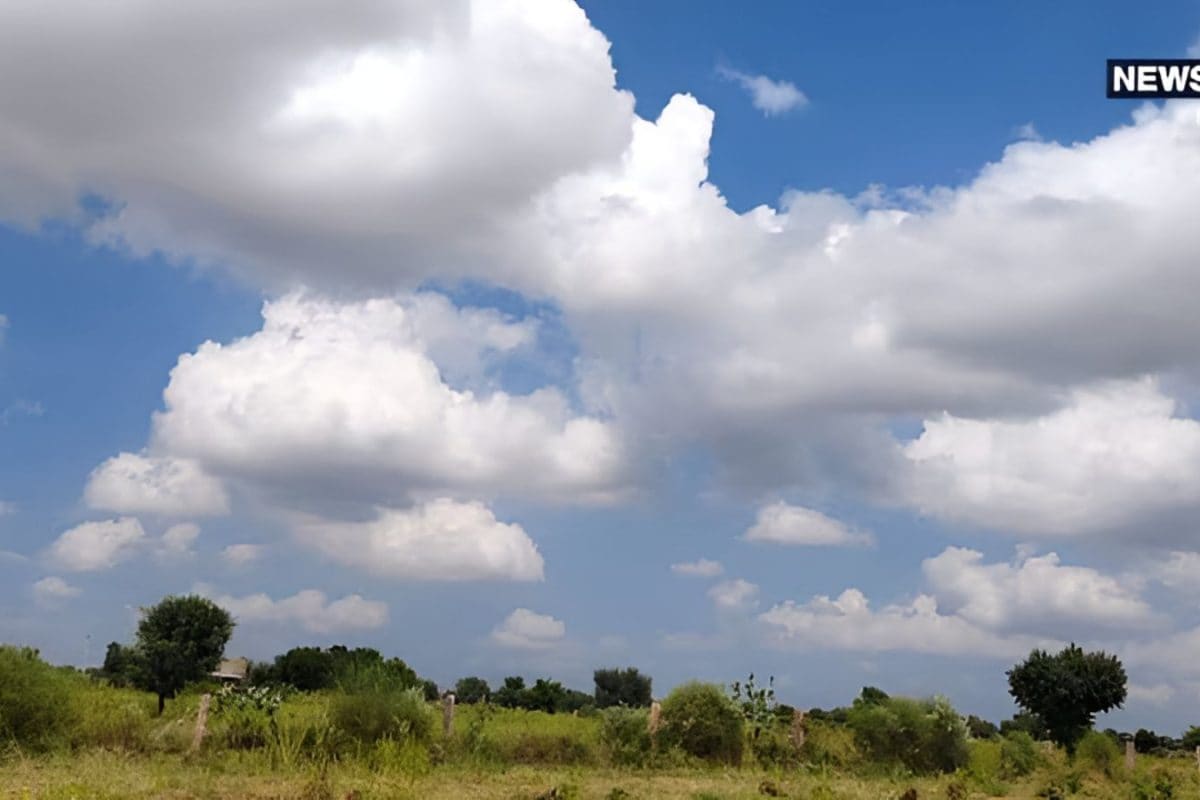
The weather across Rajasthan is set to witness a definitive transition toward winter as meteorological authorities confirm the complete absence of any adverse climatic disturbances from the Murasu cyclonic storm. According to comprehensive forecasts issued by the India Meteorological Department (IMD), the atmospheric conditions across the entire state will remain completely dry, stable, and clear throughout the coming week, allowing unhindered radiative cooling during the night hours.
Understanding this meteorological shift requires analyzing the broader regional weather patterns that typically characterize the late autumn and early winter transition in northwestern India. Historically, western disturbances and cyclonic systems originating in adjacent maritime zones often dictate regional precipitation, but current seasonal evaluations indicate a dominant continental dry air mass prevailing over Rajasthan, completely insulating the region from the trajectory and repercussions of the Murasu storm.
A closer examination of the ground reality and district-wise meteorological data reveals that the drop in minimum temperatures is becoming increasingly pronounced across several key urban and rural sectors. While daytime conditions remain comfortably sunny, the sharp diurnal temperature variation is triggering the unmistakable onset of early winter, locally referred to as 'gulabi thand' or pink cold, which traditionally marks the beginning of the festive and winter seasons in the region.
Local residents, commuters, and daily wage earners have already started noticing the climatic shift, particularly during the early morning and late evening hours when temperatures dip noticeably. Farmers and agricultural stakeholders are also monitoring these atmospheric developments closely, as clear skies and stable nighttime temperatures are crucial for upcoming Rabi crop preparations and seasonal field management across the affected territorial expanses.
The regional impact of this sustained dry spell and dropping temperatures will be particularly felt across major urban and semi-urban clusters, including Jaipur, Kota, Udaipur, and Bharatpur districts. In these administrative divisions, the localized meteorological conditions are favorable for early morning mist accumulation and gentle, cooling nocturnal breezes, which together contribute to the progressive downward trend in both minimum and mean temperatures.
District administrations and municipal authorities are maintaining regular coordination with meteorological monitoring cells to track any sudden localized weather anomalies, although no severe weather warnings or emergency advisories have been issued given the benign nature of the forecasted dry spell. Public health departments are concurrently issuing routine advisories regarding seasonal health precautions, urging citizens to safeguard vulnerable demographics such as the elderly and young children against the sudden morning and evening chill.
Looking ahead over the next week, the meteorological outlook projects sustained dry weather accompanied by a gradual, steady decline in nighttime temperatures across Rajasthan. As winter deepens its grip following the clear dismissal of the Murasu storm threat, citizens and local businesses can adequately plan their daily routines and agricultural activities in alignment with the predictable, albeit brisk, seasonal weather patterns forecast by the national weather bureau.
