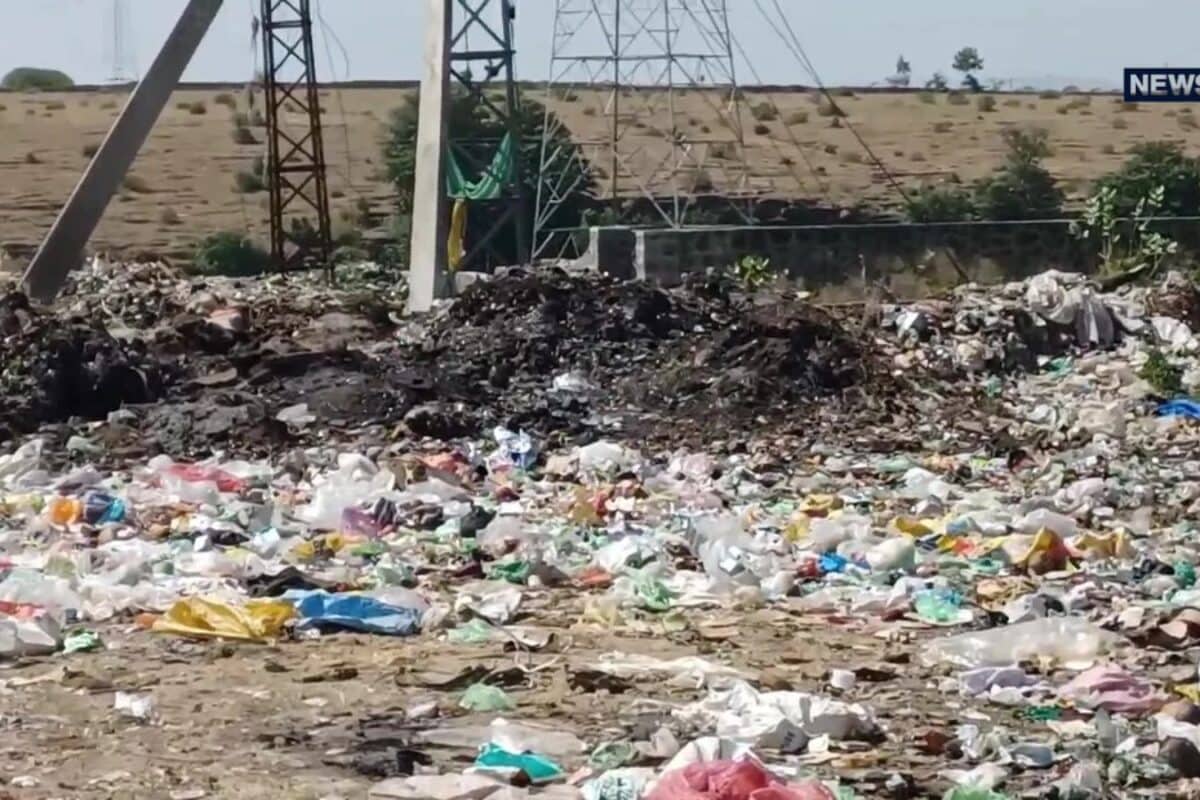
Residents residing near the municipal dumping yard in Rawatbhata, located in the Chittorgarh district near Shiv Colony, are facing an unprecedented environmental and public health crisis. The area, which functions as the primary repository for the entire city's waste disposal, has deteriorated into conditions resembling a living hell for the local populace. The unchecked accumulation of solid municipal waste has not only degraded the immediate environment but has also introduced severe health hazards, including swarms of flies and vector-borne disease risks that threaten the safety of every citizen living in the vicinity.
The origin of this escalating crisis traces back to the systemic failures in urban waste management protocols administered by the Rawatbhata Nagar Palika. Over a sustained period, the site designated near Shiv Colony has been transformed from a regulated disposal facility into an unregulated, open dumping ground. Without proper segregation, processing, or containment measures, the sheer volume of waste has outgrown the capacity of the area, converting residential proximity zones into toxic dumping grounds that severely compromise the quality of life.
A critical ground reality of this situation is the severe threat posed to local stray cattle and wildlife. Left without proper fodder or monitored grazing spaces, hungry cattle frequent the dumping yard, where they are forced to consume hazardous plastic waste mixed within the municipal refuse. This ingestion of non-biodegradable material poses fatal internal complications for the bovine population. Furthermore, municipal workers routinely resort to burning the accumulated waste to manage volume, releasing toxic fumes that engulf the neighborhood and subject residents to severe respiratory ailments, including chronic asthma.
Stakeholders, local residents, and community representatives have expressed profound anguish over the worsening state of affairs, pointing out the absolute breakdown of local civic responsibility. Citizens report that dead animals are frequently discarded openly in and around the yard, attracting scavenger birds that collide with overhead electrical power lines. These frequent electrical accidents cause persistent power tripping, which subsequently disrupts local water supply networks and plunges residential sectors into prolonged utility blackouts during critical hours.
The ramifications of this severe environmental degradation extend far beyond the immediate neighborhood, impacting the regional ecosystem and community well-being across the broader administrative boundaries of Chittorgarh. The persistent failure to maintain basic sanitation standards undermines regional health frameworks, increasing the burden on local medical infrastructure as residents seek treatment for respiratory and vector-borne illnesses directly linked to the dumping yard's toxic emissions.
Administrative oversight and statutory accountability have come under intense scrutiny as the designated objectives of the Swachh Bharat Mission remain entirely unfulfilled in Rawatbhata. Despite repeated grievances and appeals submitted to the Nagar Palika authorities by distressed citizens, tangible enforcement actions, policy corrections, and infrastructural upgrades to process municipal waste safely have been severely delayed or ignored entirely by municipal functionaries.
Looking forward, the community demands immediate, transparent interventions from the Rawatbhata Nagar Palika to relocate or scientifically overhaul the Shiv Colony dumping yard. Public expectations center on strict penal action against unauthorized waste burning, the implementation of proper waste segregation protocols, and the establishment of dedicated cattle protection measures to prevent further ecological and humanitarian distress in the region.