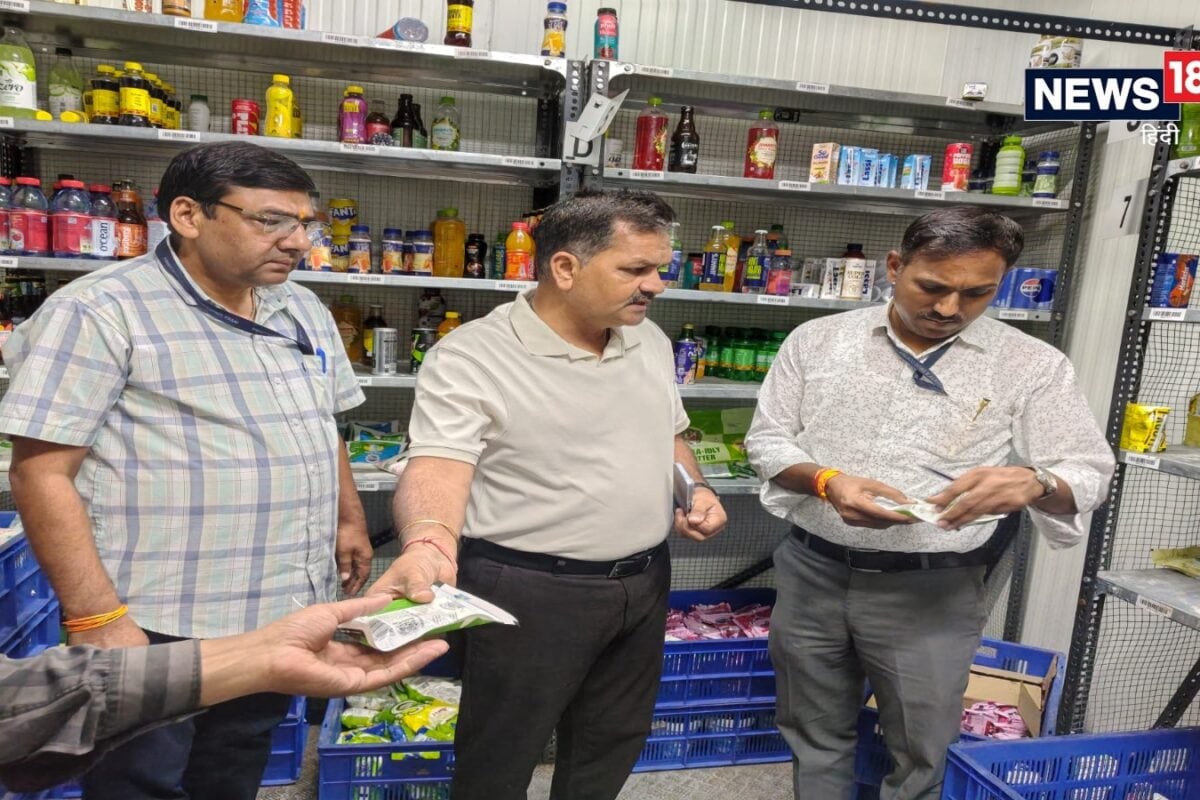
In a decisive administrative intervention, the Food Safety Department executed a high-profile raid on a Zepto dark store located in Jaipur. The operation was initiated following intelligence regarding compromised storage practices and the presence of sub-standard commodities within the facility. This proactive measure underlines the intensifying regulatory scrutiny faced by quick-commerce platforms operating within urban centers of Rajasthan.
Quick-commerce networks have rapidly expanded their footprints across major metropolitan areas, promising ultra-fast delivery of groceries and household essentials. However, the immense logistical pressure inherent in maintaining dark stores often raises critical questions regarding inventory turnover and cold-chain integrity. The Jaipur incident brings these systemic operational vulnerabilities directly into the public domain, forcing regulatory bodies to re-evaluate monitoring protocols for automated fulfillment centers.
During the exhaustive inspection of the Jaipur Zepto facility, enforcement teams uncovered alarming violations of basic food safety and hygiene protocols. Most notably, officials discovered and subsequently destroyed 25 kilograms of expired food products that were still housed within the active inventory ecosystem. The presence of compromised items ready for dispatch poses an immediate, direct hazard to unsuspecting consumers relying on rapid delivery services for daily nutrition.
Furthermore, the inspection revealed severe infractions concerning cross-contamination hazards and improper spatial segregation. Investigators documented instances where toxic items such as insecticides were stored in close physical proximity to consumable food products. Additionally, non-vegetarian items were discovered stored in completely inappropriate conditions, failing to meet the mandated regulatory standards for temperature control and hygiene separation.
The wider implications of this enforcement action resonate strongly across the broader region, including the Kotputli-Behror district, where residents increasingly utilize digital commerce networks for daily provisions. Local communities depend heavily on regulatory assurances to guarantee that food items delivered to rural and semi-urban doorsteps comply fully with statutory safety parameters. Incidents of this nature underscore the critical necessity for decentralized, continuous oversight of all logistical hubs supplying regional markets.
In response to these findings, the Food Safety Department has initiated formal legal and administrative procedures against the management of the targeted enterprise. Official teams collected several mandatory product samples, including popular staples such as mustard oil, packaged instant noodles like Maggi, and clarified butter (ghee), for comprehensive laboratory analysis. These formal samples will determine the exact chemical and biological integrity of the remaining stock.
As the investigation proceeds through standard statutory timelines, the public and commercial stakeholders await the definitive laboratory reports. The administrative authorities have reiterated their unwavering commitment to enforcing stringent food safety laws across all retail and logistics platforms. Future protocols will likely incorporate more frequent, unannounced inspections of dark stores to safeguard public health and ensure absolute corporate accountability.