
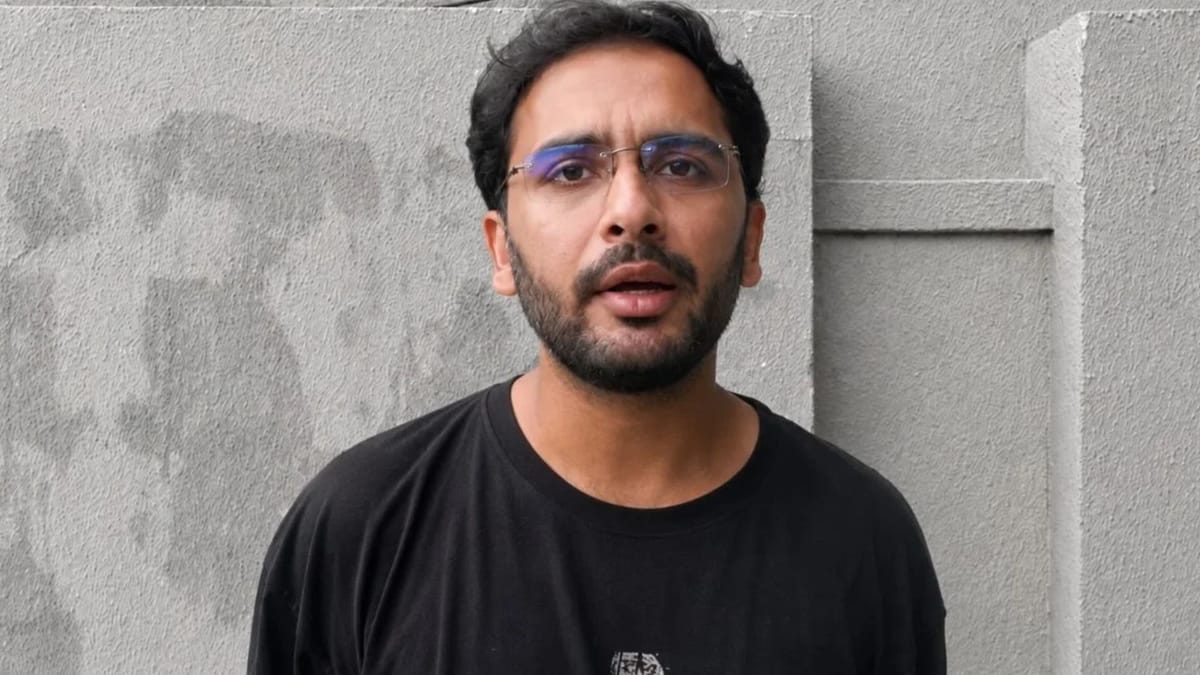
In an effort to assess and improve educational infrastructure, designated teams of the organization CJP are scheduled to conduct comprehensive field visits across government-run schools situated within the tribal-majority regions of Rajasthan. This systematic oversight initiative has been meticulously planned to evaluate the everyday operational status of public educational facilities operating in these remote and geographically challenging terrains. By undertaking direct on-site assessments, the inspection teams intend to systematically document the ground realities, challenges, and infrastructural deficits that persistently hinder the delivery of quality primary and secondary education to children belonging to marginalized tribal communities.
The foundational context of this statewide monitoring campaign stems from persistent concerns regarding the unequal distribution of educational resources and the gradual degradation of basic amenities within rural and tribal pockets of Rajasthan. Historically, educational institutions located in remote hinterlands have faced multifaceted hurdles ranging from structural disrepair and sanitation deficits to severe shortages of adequate teaching staff and learning materials. Recognizing these systemic vulnerabilities, civil society organizations and advocacy groups have increasingly emphasized the urgent necessity for independent fact-finding missions to bridge the widening gap between policy formulation at the state capital and implementation at the grassroots level.
During these upcoming institutional evaluations, the designated field teams will comprehensively audit various parameters of basic public infrastructure, including drinking water availability, functional sanitation facilities, classroom habitability, electricity connections, and the availability of essential educational aids. While large-scale statistical datasets regarding rural education often present generalized state-level averages, this targeted reporting initiative specifically focuses on capturing localized anomalies and operational bottlenecks. The meticulous documentation derived from these visits will form the factual bedrock of an exhaustive report designed to highlight areas requiring immediate budgetary allocation and administrative intervention.
The investigative process involves extensive qualitative engagement with diverse stakeholders, including local school management committees, teaching faculties, enrolled students, and concerned parents residing in the surrounding villages. Educators and institutional heads often voice administrative constraints regarding delayed maintenance grants and logistical challenges in securing timely pedagogical resources. Conversely, parents express genuine anxieties concerning the long-term academic prospects of their children due to compromised learning environments. Capturing these multifaceted perspectives ensures that the finalized documentation reflects an authentic and unvarnished narrative of the systemic realities prevailing across these educational institutions.
Although the primary focus remains directed toward the designated tribal belts, the broader implications of systemic educational deficiencies resonate deeply across regional administrative divisions, including emerging districts like Kotputli-Behror. Communities throughout Rajasthan share a collective stake in ensuring equitable educational standards, as the foundational development of rural youth directly influences regional socioeconomic mobility and long-term community empowerment. Ensuring robust institutional infrastructure in remote areas serves as a crucial barometer for overall regional development, prompting local community leaders and education advocates to closely monitor the progress and outcomes of such oversight initiatives.
Following the conclusion of the scheduled field visits and the finalization of the comprehensive infrastructural report, organizational representatives intend to formally engage with relevant administrative authorities and education department officials. This structured advocacy phase aims to present verified empirical data directly to decision-makers, thereby facilitating targeted policy corrections, expedited repair works, and enhanced resource allocation where most critically needed. By establishing a formal communication channel between civil society observers and governmental administrators, the initiative seeks to foster collaborative accountability in addressing long-standing structural deficits within the public education ecosystem.
Looking ahead, the successful compilation and presentation of this report are anticipated to serve as a vital catalyst for sustained administrative dialogue regarding rural school development in Rajasthan. The findings will not only underscore existing vulnerabilities but also provide constructive recommendations for systemic improvements, ranging from enhanced infrastructural maintenance protocols to stricter monitoring of educational delivery standards. As public expectations mount, the concerted efforts of CJP and participating stakeholders are expected to reinforce the collective commitment toward achieving universal, equitable, and quality education for every child residing in the state's tribal heartlands.