
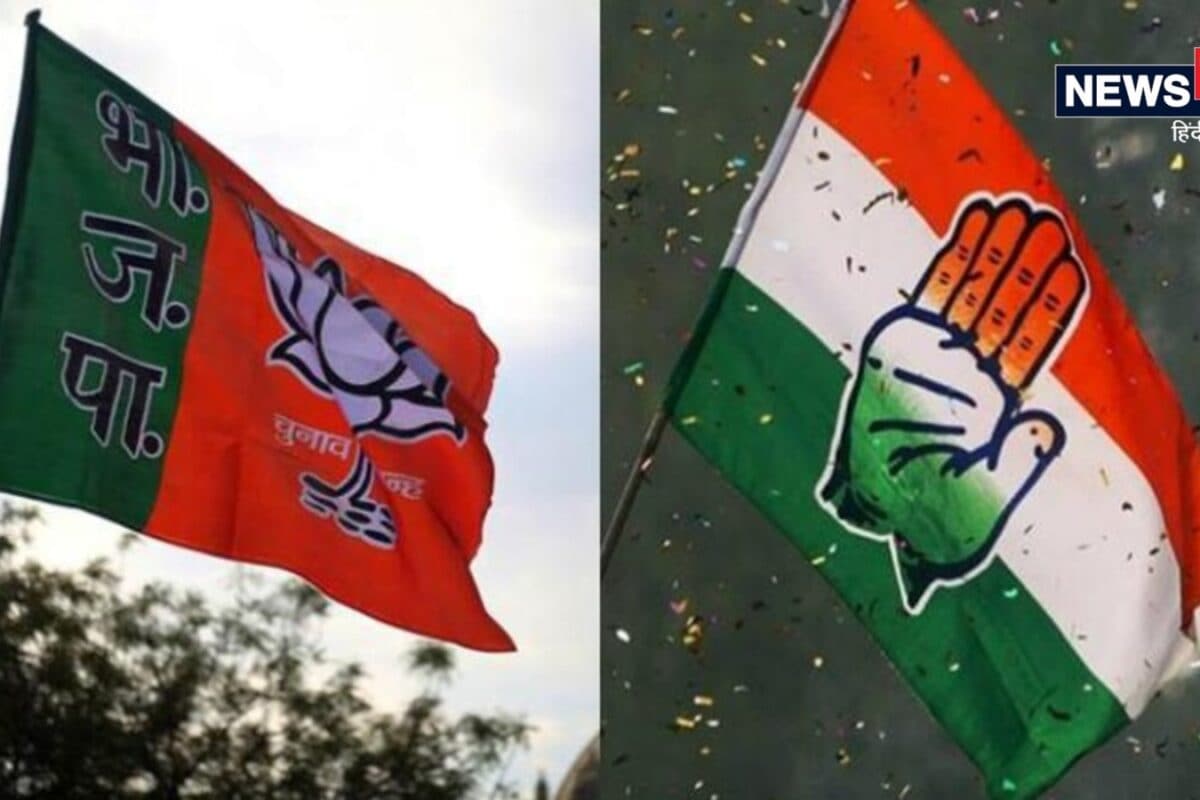
Political activity across Rajasthan has escalated significantly following the declaration of councillor election results for 309 urban local bodies. With the grassroots battle concluding, attention has now shifted decisively toward the high-stakes election of mayors, presidents, and chairpersons across various municipal boards. The upcoming leadership contests are set to determine the ultimate political control of these urban local bodies, shaping local governance and development agendas for the foreseeable future.
A granular analysis of the electoral outcomes across the 10 municipal corporations reveals a fragmented and highly competitive landscape. In major urban centres such as Jaipur, Kota, Udaipur, and Bhilwara, the Bharatiya Janata Party has secured a clear and decisive majority. Conversely, Bikaner has delivered a clear mandate in favour of the Indian National Congress, providing the party with a solid foundation to claim the leadership post without external legislative support.
However, the political equation remains intensely fluid in several other key regions. In Ajmer and Pali, the Congress party has emerged as the single largest political force, though falling short of an absolute majority, which necessitates strategic alliances. Meanwhile, Jodhpur has witnessed an extremely narrow and closely contested electoral battle between the BJP and Congress, leaving political observers on edge regarding the final outcome.
In districts like Bharatpur, the electoral arithmetic has taken a distinct turn, with independent councillors securing the highest numerical strength. Because these independent candidates and internal party rebels hold a substantial number of seats, their role has suddenly become paramount. Both major political parties are currently engaged in intense negotiations, intense lobbying, and strategic maneuvers to secure the backing of these crucial independent representatives.
The regional impact of these municipal elections extends deeply into local administration, civic infrastructure development, and community welfare across the state, including developing districts like Kotputli-Behror. Urban local bodies serve as the foundational tier of grassroots democracy, directly influencing local economic activities, urban planning, sanitation services, and everyday civic amenities for residents and local traders alike.
Administrative machinery and election authorities across Rajasthan have stepped up preparations to ensure a smooth, transparent, and orderly electoral process. Statutory oversight protocols are being strictly implemented by district election officers and municipal commissioners to maintain electoral integrity, prevent malpractices, and ensure that the voting procedure complies fully with established state guidelines.
With the mayoral and presidential elections officially scheduled for 21 September, political parties are rushing to finalise their internal candidate selections and secure the numbers needed for a parliamentary majority. Public expectations remain high as citizens look forward to stable local administrations capable of addressing pressing civic issues, executing developmental projects efficiently, and delivering accountable governance.