
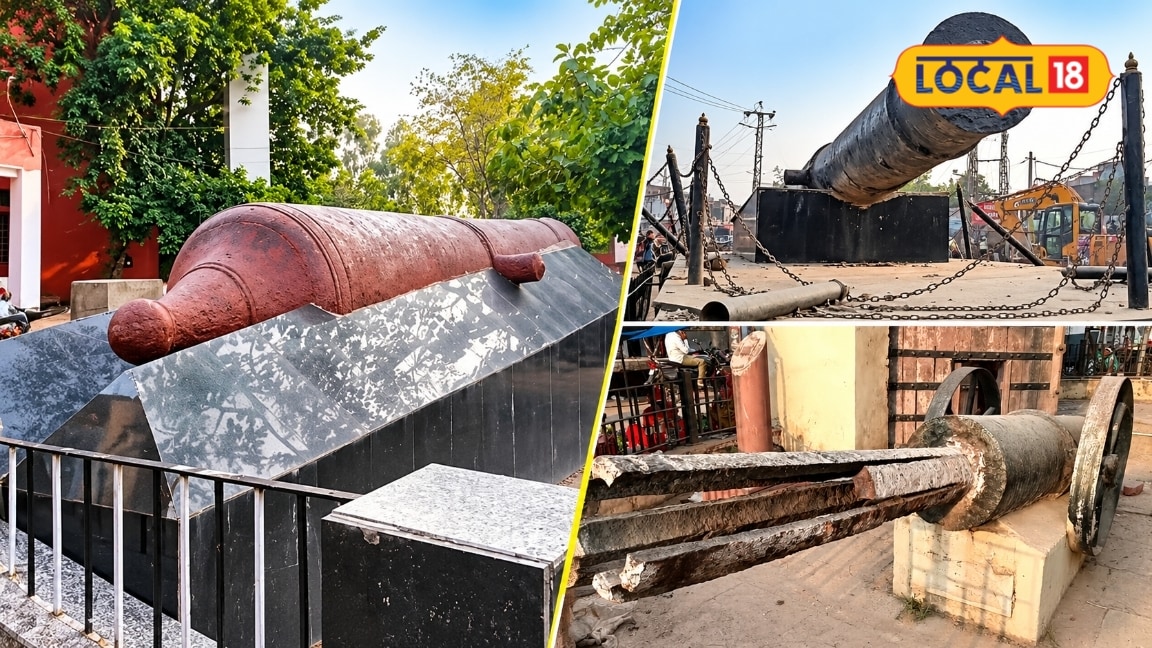
In the heart of Bharatpur, major crossroads continue to host historic royal cannons that stand tall as enduring symbols of the city's glorious past, martial heritage, and unmatched architectural resilience. These monumental artifacts, seamlessly integrated into the contemporary urban landscape, serve as a profound bridge connecting the fast-paced modern era with centuries of royal history, military strategy, and regional pride.
Historically, cities like Bharatpur held immense strategic significance during medieval and pre-colonial periods, where artillery warfare and fortified defenses dictated regional sovereignty. The presence of these cannons at prominent urban intersections is not merely decorative; it reflects the sophisticated defensive preparedness and the valor of the rulers who once governed this territory, safeguarding its populace from external aggressions.
At present, the ground reality highlights two major locations—specifically the historic Anah Gate and the District Collectorate Crossing, widely recognized by locals as Tope Circle—as the primary custodians of these heavy ordnance pieces. Despite decades of urban expansion and infrastructural development, these cannons remain anchored to their original spots, functioning as silent sentinels of a bygone era that witnessed significant socio-political transformations.
Local historians, heritage conservationists, and residents frequently emphasize the immense cultural and emotional value attached to these landmarks. Citizens point out that while these artifacts successfully capture the attention of national and international tourists passing through the city, they also serve as an essential educational touchstone for the younger generation, instilling a deep sense of historical awareness and community identity.
Examining the broader regional impact, the preservation and promotion of such historical assets play a crucial role in enhancing the cultural economy and tourism sector of the wider administrative landscape. Improved visibility of these sites encourages heritage enthusiasts to spend more time exploring urban landmarks, thereby stimulating local commerce, hospitality services, and regional tourism networks.
Administrative authorities and civic bodies face a continuous responsibility to maintain these heritage structures against environmental degradation and urban pollution. Ensuring the physical upkeep of the metal ordnance, alongside structural stabilization of their concrete or stone platforms, remains an essential task for municipal departments dedicated to preserving local antiquities.
Looking forward, experts and community leaders strongly advocate for comprehensive restoration protocols and the installation of detailed informational plaques or digital signboards at Anah Gate and Tope Circle. By narrating the authentic historical timeline of these cannons in both Hindi and English, the administration can significantly enrich the visitor experience and cement Bharatpur's status as a prominent cultural tourism destination.
