
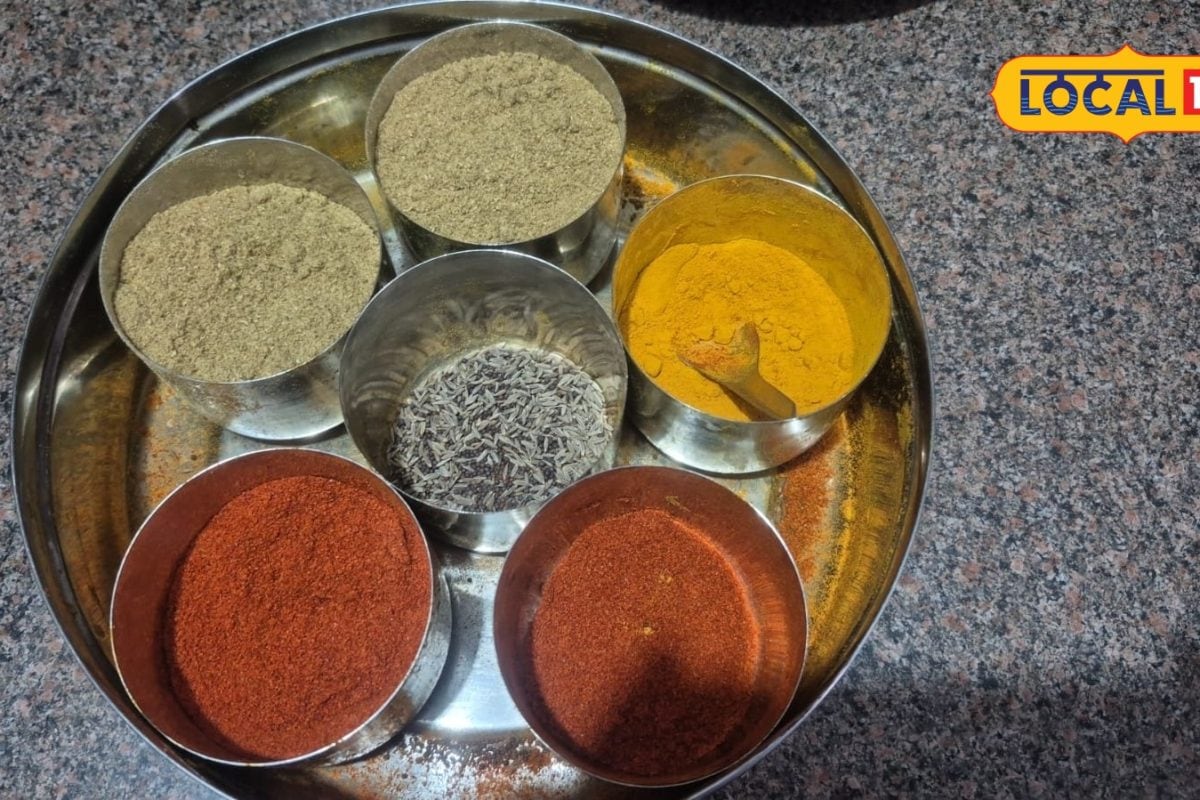
As the festive season of Diwali approaches, households across the region are actively engaged in the time-honored tradition of deep cleaning, with a primary focus on the kitchen. While general sweeping and mopping are standard, meticulous attention is frequently required for storage areas where culinary ingredients are kept. Neglecting the spice containers can compromise the overall hygiene of the culinary space, making systematic cleaning an absolute priority for every household during this festive transition.
The cultural significance of cleaning the home prior to Diwali dates back generations, symbolizing the welcoming of prosperity and purity into the household. Historically, the kitchen has been regarded as the sacred heart of the home, where health and well-being originate. Consequently, maintaining the cleanliness of spice containers—which house essential daily ingredients such as turmeric, chilli powder, and coriander—carries both practical and traditional importance for families preparing for the celebrations.
On a practical level, everyday cooking involves frequent handling of spice containers with oil-resined fingers, leading to sticky residues and stubborn grime accumulation over time. Deep cleaning these canisters involves emptying their contents, washing them with appropriate cleaning agents, and ensuring they are thoroughly dried before refilling. Furthermore, this cleaning process serves as an ideal opportunity to inspect the quality of stored spices, checking for freshness and discarding older stocks that may have lost their potency or flavor.
Homemakers and culinary enthusiasts frequently emphasize the challenges associated with restoring plastic, steel, or glass spice containers to their original pristine condition. Expert opinions suggest using specialized washing techniques, such as utilizing warm soapy water and lemon juice to cut through grease layers, followed by air-drying under sunlight to eliminate residual moisture completely. This meticulous approach prevents clumping in powdered spices and extends their shelf life significantly during humid weather conditions.
Within local communities, the preparation for Diwali creates a shared environment of domestic renewal and organization. Neighbors and family members often exchange cleaning tips and natural remedies for tackling stubborn stains on kitchen containers. This collective focus on domestic order not only enhances the aesthetic appeal of individual households but also fosters a communal spirit of hygiene, health, and readiness for the upcoming festivities.
Public health experts and sanitation advocates consistently remind residents that maintaining a clean kitchen environment during festival preparations is vital for preventing foodborne illnesses. Proper sanitation of spice racks and containers ensures that the food prepared for festive gatherings remains uncontaminated and safe for consumption by family and guests alike, highlighting the intersection of traditional customs and modern hygiene standards.
Looking forward, adopting systematic kitchen maintenance routines during Diwali sets a positive precedent for the remainder of the year. Experts recommend establishing a monthly check for spice storage and container hygiene, ensuring that the habits formed during the festival season translate into long-term domestic efficiency and enduring family health.
