
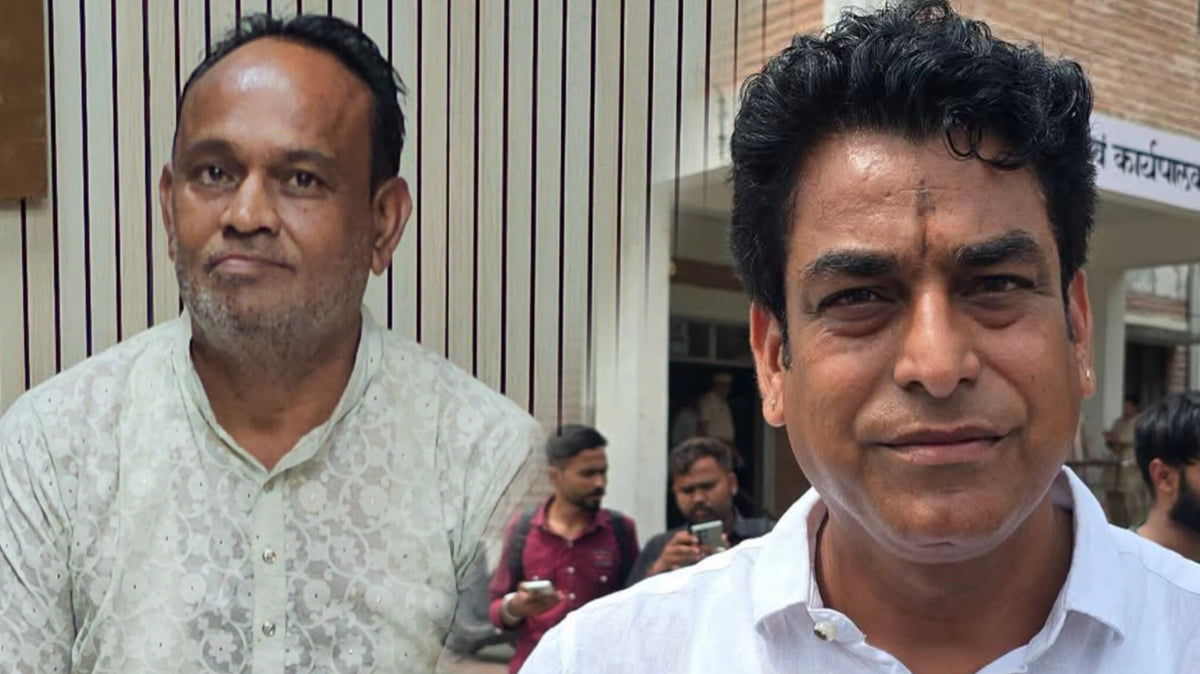
The political landscape in Barmer has reached a decisive juncture as the process of nomination withdrawal for the coveted Barmer Municipal Council chairperson position officially concluded. With all formalities finalized, the electoral contest has crystallized into a direct face-off between Gautam Bobby representing the Bharatiya Janata Party and Jaimal Singh representing the Indian National Congress. This high-stakes municipal election has drawn intense interest from local residents, political analysts, and party strategists alike, transforming the municipal headquarters into the epicenter of regional political activity.
Tracing the historical context of local governance in the region, the municipal council elections have consistently served as a vital barometer for grassroots political influence. Over the years, urban development, civic infrastructure management, and administrative efficiency have remained core issues dominating the local discourse. The current electoral battle is not merely a contest for a ceremonial office, but a crucial test of organizational strength and grassroots mobilization for both major political formations within the municipal boundaries of Barmer.
Analyzing the ground reality and the numerical breakdown of the electoral college, the political arithmetic presents a distinct scenario for both contenders. Official records indicate that the Bharatiya Janata Party holds a formidable position with 34 supportive votes, whereas the Indian National Congress commands a consolidated block of 21 votes. These specific numerical allocations form the crux of the electoral projections, dictating the strategic maneuvers of both camps as they work rigorously to secure the required majority for the chairperson's chair.
Stakeholder perspectives from across the municipal wards reflect a populace eager for stable leadership, transparent governance, and accelerated infrastructural development. Local traders, community leaders, and ordinary citizens have voiced their expectations regarding improved sanitation, better road networks, and efficient civic service delivery. Representatives from both political factions have engaged in intense consultations and strategic dialogues, assuring constituents of their unwavering commitment to addressing longstanding municipal challenges upon assuming office.
Examining the broader regional context, the municipal elections in Barmer carry significant resonance across the wider administrative framework, including neighboring developing zones and urban centers. Effective municipal governance directly influences local commerce, daily commuting, and community welfare, thereby impacting the socio-economic fabric of the entire region. The outcome of this election is anticipated to establish a definitive precedent for administrative accountability and local development initiatives in the times ahead.
Administrative authorities and election officials have instituted comprehensive measures to ensure a free, fair, and transparent electoral process. Stringent oversight protocols, adherence to statutory guidelines, and deployment of adequate security personnel at the municipal office premises have been prioritized to maintain absolute order. Officials have reiterated their commitment to upholding democratic norms throughout the forthcoming voting and counting procedures, ensuring that the electoral mandate is executed without impediment.
Looking ahead, the timeline leading up to the final voting session is marked by intense lobbying, meticulous vote-accounting, and heightened anticipation among the electorate. As Gautam Bobby and Jaimal Singh brace themselves for the ultimate electoral test, the public and political observers remain poised to witness which faction successfully translates its numerical strength into definitive victory. The forthcoming days will undeniably shape the trajectory of municipal administration and civic development in Barmer for the foreseeable future.