
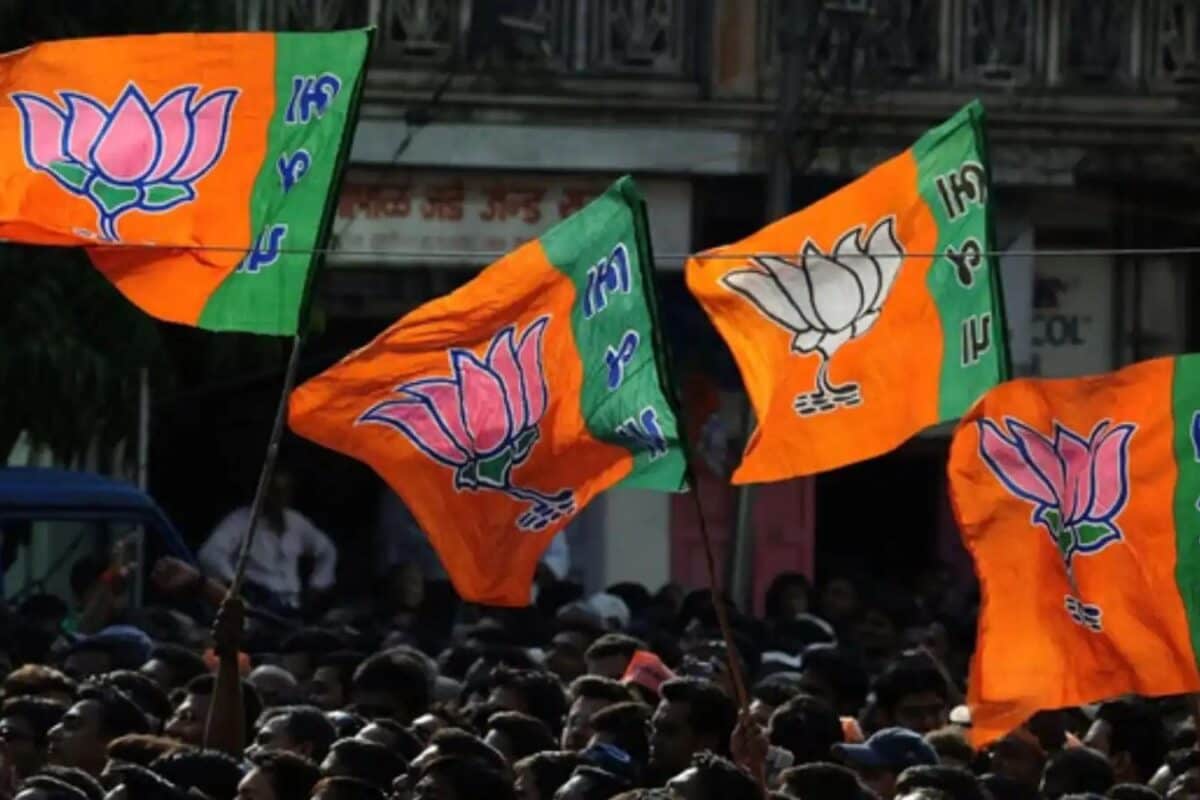
KOTPUTLI — The political battleground across the major municipal corporations of Rajasthan has witnessed a dramatic escalation as the Bharatiya Janata Party officially finalizes its strategic mayoral candidates. The announcement covers key urban centers including Jaipur, Jodhpur, and Kota, where the political dynamics are shifting rapidly. According to reports compiled by the Kotputli News bureau on September 23, 2026, these high-stakes electoral maneuvers have significantly increased the challenges facing the opposition Congress party across the region.
The historical context of these municipal elections dates back several decades, reflecting the evolving urban governance patterns within Rajasthan. Major municipal corporations have traditionally served as the primary barometer of urban political sentiment, often foreshadowing broader legislative trends. The current political scenario underscores a calculated effort by the ruling party to consolidate its urban vote bank through meticulous candidate selection and organizational strength, building upon precedents established in previous civic polls.
Ground details reported by local correspondents indicate that the electoral arithmetic heavily favors the Bharatiya Janata Party in these three prominent municipal corporations. The party's calculated deployment of candidates has given it a formidable advantage, making its victory in Jaipur, Jodhpur, and Kota appear virtually certain according to current political assessments. Ground metrics and logistical evaluations confirm that extensive campaigning structures are already operational in these key metropolitan zones.
Local representatives highlighted ongoing ground realities during detailed discussions with our investigative desk. According to these local stakeholders, community leaders and grassroots workers are actively engaged in finalizing campaign trails and mobilizing urban voters. The announcement of specific names has injected renewed vigor into party cadres, while simultaneously forcing opposition strategists to completely recalibrate their electoral countermeasures.
The regional impact of these municipal developments extends well beyond the metropolitan boundaries, directly influencing political discourse in surrounding areas including the newly formed Kotputli-Behror district. The local economy and municipal administration within these sub-urban and rural-urban fringe zones are closely monitoring the political transitions, anticipating policy shifts that typically accompany changes in mayoral leadership across major urban headquarters.
Administrative responses and statutory oversight mechanisms remain fully active as election preparations enter their decisive phase. District election authorities and municipal commissioners are ensuring strict adherence to the model code of conduct, deploying adequate security forces, and managing logistical requirements to guarantee free, fair, and transparent electoral proceedings across all designated polling wards within the respective corporations.
Looking ahead, the electoral timeline mandates a rigorous schedule of campaigning, public debates, and subsequent polling over the coming weeks. Public expectations remain high regarding civic infrastructure development, transparent governance, and efficient resource allocation. As the political parties intensify their outreach efforts, the ultimate outcome of these mayoral contests will undoubtedly shape the administrative trajectory of Rajasthan's prominent urban centers for the foreseeable future.