
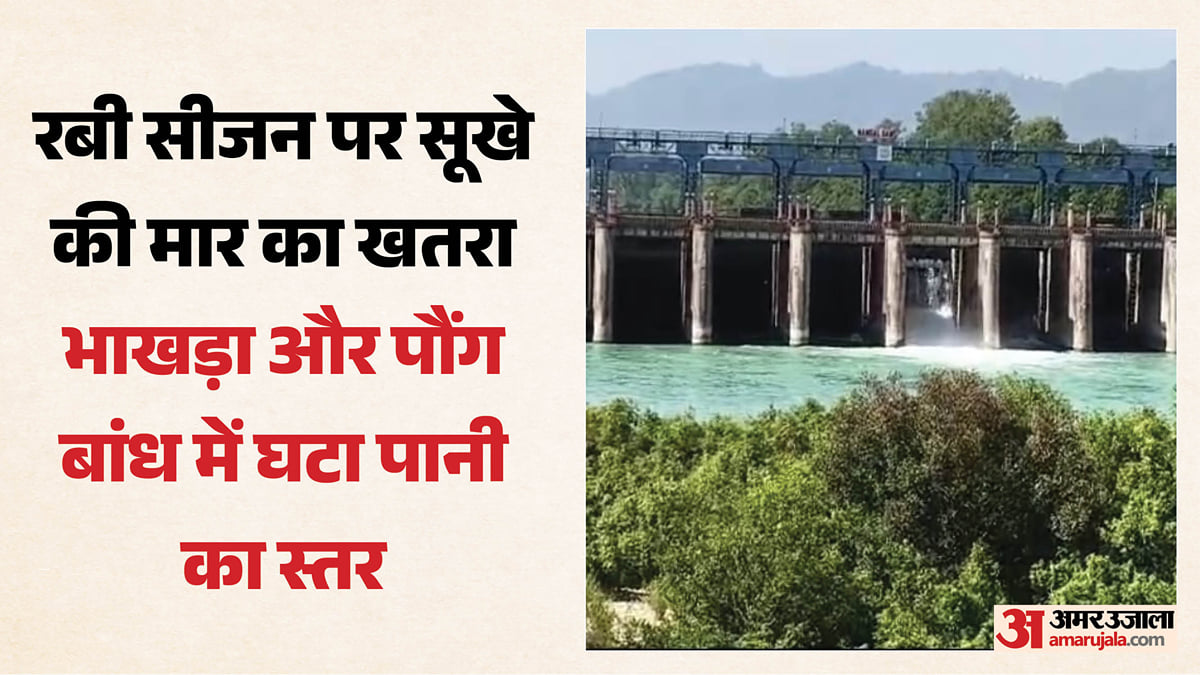
A critically weak monsoon season this year has triggered severe concerns across northern India as water levels in major reservoirs witness a sharp decline. Specifically, the water reserves in both the Bhakra Dam and the Pong Dam have depleted significantly, setting off alarm bells for agricultural planners. This deficiency directly threatens the upcoming irrigation cycles required for the vital Rabi crop season, leaving millions of farmers in a state of deep anxiety.
Historically, these massive water storage reservoirs have served as the lifeline for agricultural prosperity across the northern plains. The systematic distribution of water from these reservoirs ensures food security and sustains the rural economy year after year. However, erratic weather patterns and below-average rainfall during the recent monsoon period have disrupted this delicate hydrological balance, leaving storage capacities well below desired seasonal marks.
The immediate consequence of this depletion is the severe rationing of water resources for agricultural fields across the region. Farming communities, who rely heavily on timely canal irrigation, are now forced to rethink their planting strategies and water usage patterns. The stakes are exceedingly high, as any prolonged shortage in irrigation water directly translates into diminished crop yields, financial distress for cultivators, and subsequent inflationary pressures on food commodities.
Agricultural unions, farming representatives, and local stakeholders have voiced profound apprehension regarding the unfolding scenario. Many cultivators report that underground water tables alone cannot compensate for the massive deficit in canal water supplies, particularly during peak sowing periods. Local traders and rural merchants are equally worried, as reduced agricultural income typically results in suppressed market demand and economic slowdowns across rural districts.
The regional impact of this water scarcity extends directly toward developing concerns in communities such as Kotputli-Behror, where regional agriculture and local livelihoods are intricately linked to dependable water management systems. Farmers in these areas depend heavily on coordinated water releases from northern reservoirs to sustain their crop yields against arid climatic conditions. Any disruption at the primary source cascades down the distribution network, affecting local soil moisture and fodder availability.
Recognizing the gravity of the situation, the Bhakra Beas Management Board has stepped in to monitor reservoir levels continuously and regulate distribution protocols. The regulatory authority has officially appealed to the governments and administrative bodies of Punjab, Haryana, and Rajasthan to implement stringent water conservation measures. Authorities are urging all recipient states to optimize their current water usage and prepare for a period of constrained supply.
Looking ahead, agricultural experts and administrative authorities emphasize the urgent need for long-term drought preparedness and efficient water management strategies. As the region navigates this challenging Rabi season, public cooperation and prudent resource allocation will remain paramount. The upcoming weeks will prove critical as states coordinate closely with management boards to mitigate potential agricultural losses and safeguard rural livelihoods.
