
In the district of Bhilwara, local agricultural practices are witnessing a sustainable shift as cultivators increasingly explore cost-effective alternatives for crop pest management. Amid rising concerns over escalating financial burdens caused by expensive chemical fertilizers and market-driven pesticides, farmers are turning their attention toward traditional knowledge. The adoption of indigenous agricultural methods has emerged as a viable solution to safeguard both crop yields and the financial stability of agrarian households.
At the center of this agricultural transition is Dashparni Ark, a potent, natural concoction designed to deter pests naturally. The historical origin of this practice is rooted in ancient Indian indigenous farming traditions, which heavily relied on locally available flora and fauna to maintain ecological balance in agricultural fields. Over the decades, modern commercial farming overshadowed these sustainable practices, but current economic pressures are reviving interest in such eco-friendly botanical preparations.
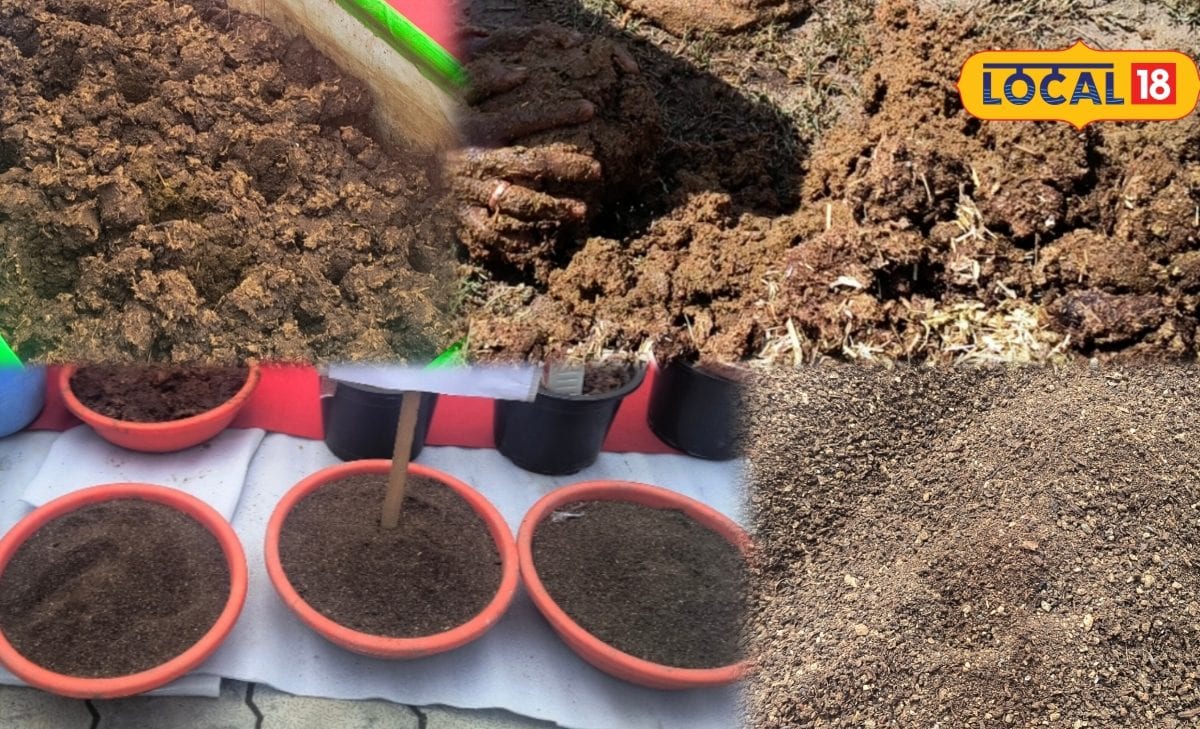
The preparation of Dashparni Ark involves a meticulous combination of natural ingredients, prominently featuring ten distinct types of botanical leaves, including neem and datura among others. Alongside these specific ten varieties of leaves, the formulation incorporates cow urine and fresh cow dung to enhance its efficacy. This meticulous blend ferments over a designated period, transforming into a powerful organic deterrent that protects crops from various destructive insects without damaging the soil microbiome.
Local farming advocates and experienced cultivators have expressed optimism regarding the integration of Dashparni Ark into everyday farming schedules. Discussions among agricultural stakeholders highlight how shifting away from synthetic market inputs can liberate smallholder farmers from perpetual debt cycles. By utilizing ingredients readily available within their immediate rural environment, cultivators regain self-sufficiency and reduce their dependency on commercial distributors.
While this practice has gained notable traction specifically within the Bhilwara region, its broader implications extend toward regional agricultural economies across the wider state. The reduction in input expenditure directly translates to higher net profit margins for rural families, bolstering the local economy. Agricultural extension workers continue to observe how community-level adoption of such natural formulations strengthens rural resilience against volatile market prices for chemical supplies.
Administrative bodies and local agricultural departments are taking note of these grassroots initiatives, providing informational support to encourage sustainable farming methods. Although large-scale institutional mandates are still evolving, agricultural advisory boards frequently promote workshops to educate farmers on the correct preparation ratios. Ensuring quality control and adherence to traditional recipes remains a primary focus for extension officers guiding the local farming community.
Looking ahead, the sustained utilization of Dashparni Ark points toward a promising future for organic agriculture and environmental conservation in the region. Upcoming procedures involve expanding training camps across rural clusters to ensure every cultivator understands the precise brewing and application timeline. Public expectations remain high as more farming households embrace this chemical-free approach to secure a prosperous and economically viable agricultural season.
